NC Teachers Report ‘Unsustainable’ Workloads Despite School Loyalty
Survey of 102,640 NC educators reveals teachers working 9.3 extra hours weekly while battling student behavior issues and inadequate support.

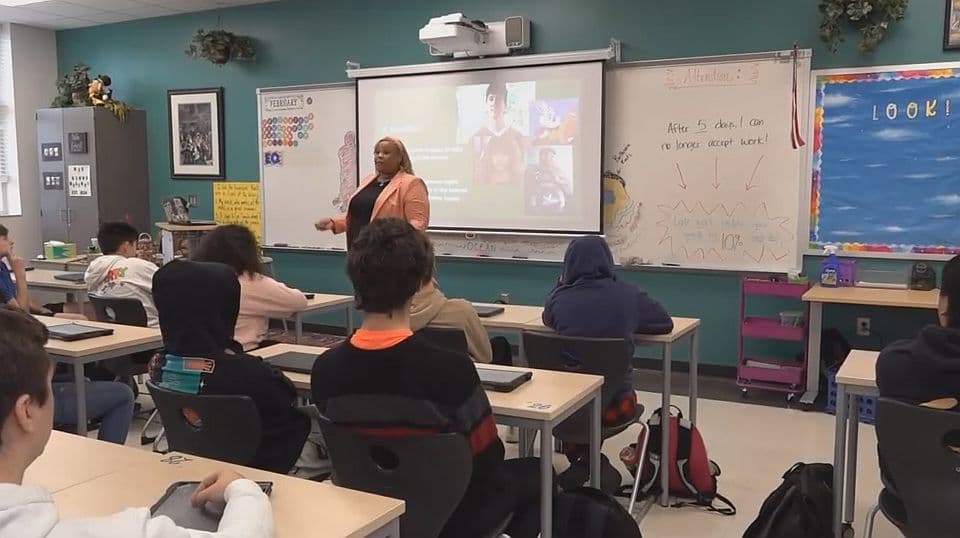
RALEIGH, NORTH CAROLINA — North Carolina teachers remain deeply committed to their schools but struggle with heavy workloads and student behavior challenges that many describe as unsustainable, according to a statewide survey released Wednesday by the state Department of Public Instruction.
The biennial survey drew responses from 102,640 educators across the state, representing a 90.5% response rate. Teachers reported working an average of 9.3 hours per week outside the regular school day, often during nights and weekends, according to the preliminary results presented to the State Board of Education.
“I think we would be remiss if we did not acknowledge that teachers are making the time. It is simply uncompensated,” said Kimberly Jones, former Teacher of the Year and a State Board of Education member.
Student Behavior Emerges as Daily Challenge
The survey revealed significant concerns about student conduct, particularly in middle and high schools. In high schools, 64% of teachers reported drug or tobacco use as a problem, while 77% cited tardiness and skipping class as ongoing issues.
Teachers also highlighted growing needs among students with disabilities and multilingual learners, emphasizing they require additional support to meet these demands effectively. Despite these challenges, educators expressed strong dissatisfaction with low pay and time constraints that limit their ability to address student needs.
High Retention Despite Workplace Concerns
Even with mounting challenges, teachers demonstrated remarkable loyalty to their schools and profession. About 93% of respondents said their school is a great place to work and learn, while roughly 84% indicated they plan to stay at their current school.
About 91% of teachers said they plan to continue teaching next year, showing resilience despite workplace pressures. However, the approximately 5% of teachers who reported plans to leave described far worse conditions across nearly every area surveyed, including time management, leadership support, and student conduct.
The survey results highlight a complex picture of North Carolina’s education workforce: deeply committed educators who take pride in their schools but face systemic challenges that strain their capacity to serve students effectively. Teachers consistently pointed to gaps in support for students with higher needs as a critical area requiring attention from state and local education leaders.
The Department of Public Instruction conducts this comprehensive survey every two years to assess working conditions and job satisfaction among the state’s educators. The findings provide state education officials and lawmakers with data to inform policy decisions affecting teacher retention and student outcomes across North Carolina’s public schools.