Eight States Continue Lawsuit That Could Strip Disability Protections
A federal lawsuit originally targeting gender dysphoria protections now threatens to eliminate community-based services for all disabled people, forcing families into institutions.

COLUMBUS, OHIO — Eight states remain in a federal lawsuit that disability advocates warn could eliminate protections allowing people with disabilities to receive services in their communities rather than being forced into institutions.
The legal challenge began in 2024 when 17 Republican-led states sued the Biden administration over its inclusion of gender dysphoria as a protected disability under Section 504 of federal law. The states also challenged the constitutionality of Section 504 itself, which requires states to provide services to disabled people in their communities when appropriate.
After President Donald Trump was reelected and his administration signaled it would not enforce the Biden rule protecting gender dysphoria, eight states withdrew from the lawsuit. However, the remaining states continue to challenge Section 504’s constitutionality in a Texas federal court.
Families Fear Loss of Community Services
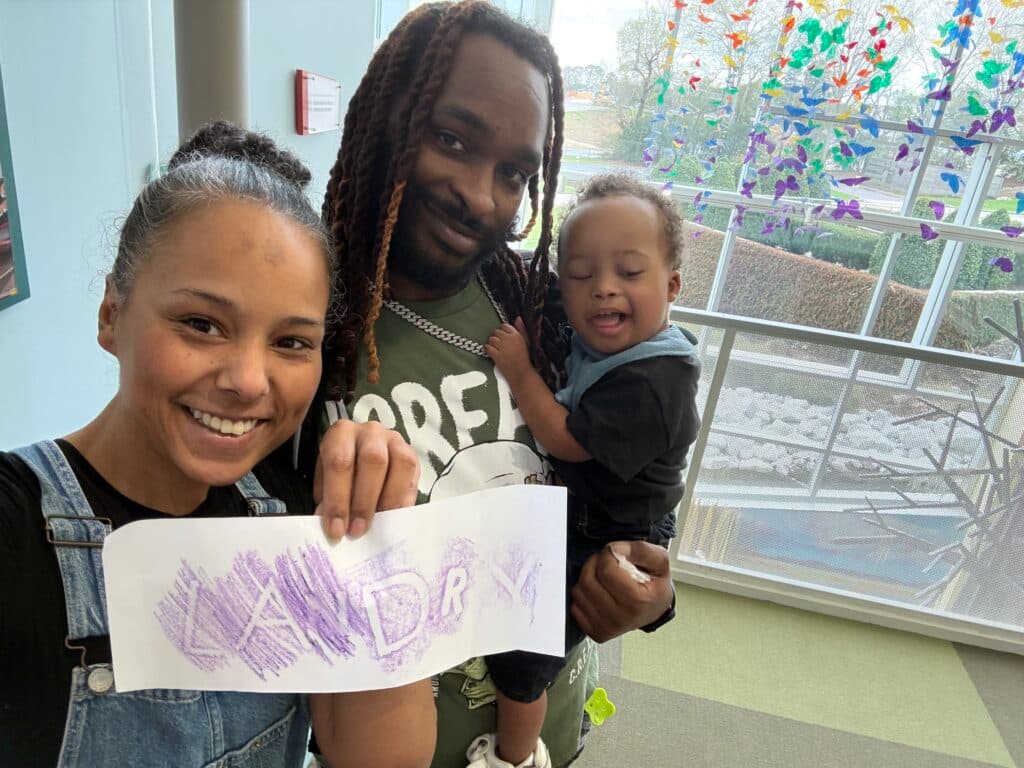
Charlotte Cravins, an attorney from Baton Rouge, Louisiana, is closely watching the case because her 2-year-old son Landry could be directly affected. Landry was born with Down syndrome and has impaired vision.
The boy receives publicly funded therapies that have helped him learn to crawl, pull himself up to stand, and use American Sign Language. He turned 2 in January and recently got his first pair of glasses.
“Landry is a part of our family, a part of the community,” Cravins said, “and to present his involvement in our family and in our community as a burden is unconscionable.”
Potential Impact on Disability Rights
If the states succeed in their constitutional challenge, disabled people like Landry could lose the right to publicly funded services that allow them to live in their own homes and neighborhoods. Instead, they might be pushed into institutions such as state hospitals and nursing homes.
Landry lives with his parents and sister in Baton Rouge, which is one of the eight states whose attorney general has chosen to remain in the lawsuit. The legal challenge asks the federal court to declare unconstitutional the portion of federal law requiring community-based services for disabled individuals.
The case represents an unusual evolution from its original focus on gender dysphoria protections to a broader challenge against fundamental disability rights protections that have been in place for decades.