Rare Florida Moth Species, Once Thought Extinct, Rediscovered in State Forest
A rare Florida moth species believed extinct has been found alive in Seminole State Forest, though its habitat remains critically threatened.

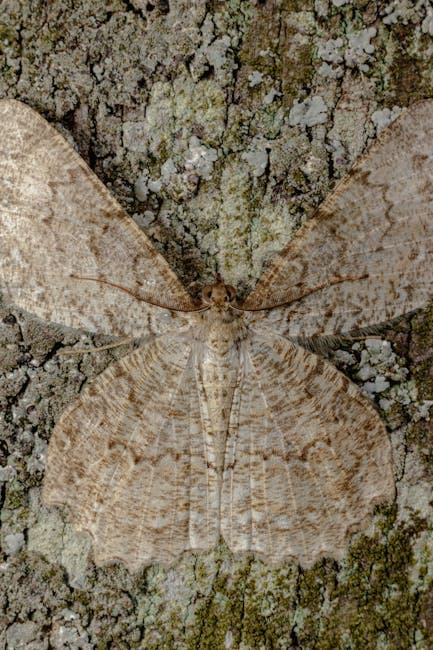
EUSTIS, FLORIDA — A rare moth species native to Florida, once thought to have disappeared, has been rediscovered in the scrublands of Seminole State Forest, offering hope for one of the state’s endangered ecosystems.
The white sand moth, scientifically known as Cicinnus albarenicolus or “white sand dweller,” was recently found by University of Colorado Boulder researcher Ryan St. Laurent, who originally discovered and named the species but later believed it had gone extinct.
“It’s a cool moth,” St. Laurent said. “And it’s definitely something that’s unique to Florida.”
Ancient Species in Threatened Habitat
The moth has inhabited Florida for millions of years, predating the arrival of most of the state’s current 23 million residents. However, the discovery comes with concerns about the creature’s future survival prospects.
The white sand scrub ecosystem where the moth lives is Florida’s rarest habitat type, according to conservation experts. Clay Henderson, a longtime Florida conservation activist and author of “Forces of Nature,” described the ecosystem’s precarious status.
“It’s the rarest ecosystem in Florida,” Henderson said. “And there’s no real protection for it.”
Unique Florida Wildlife
The moth’s rediscovery adds to Florida’s reputation for harboring unusual wildlife species. The state’s biodiversity includes numerous endemic creatures found nowhere else in the world, many of which face similar habitat pressures as development continues across the peninsula.
St. Laurent’s research focuses on documenting and studying these rare Lepidoptera species before they potentially disappear. His work involves extensive fieldwork in Florida’s remaining natural areas, including the scrublands near Eustis where the white sand moth was relocated.
The Seminole State Forest, managed by the Florida Forest Service, provides one of the few remaining refuges for scrub-dependent species. This ecosystem, characterized by sandy soils and drought-resistant vegetation, once covered much larger areas of central Florida before being converted to agriculture and development.
Conservation Challenges Ahead
The rediscovery of the white sand moth highlights both the resilience of Florida’s native species and the ongoing threats they face. Without formal protection measures for scrub habitats, conservationists worry that even recently rediscovered species remain vulnerable to extinction.
The moth’s survival story mirrors that of other Florida endemic species that have managed to persist in small, isolated populations despite habitat loss. Experts emphasize that such discoveries underscore the urgent need for comprehensive habitat protection rather than species-by-species conservation efforts.
St. Laurent continues his research documenting Florida’s moth diversity, hoping to identify other potentially overlooked species before they vanish. His work contributes to a broader understanding of the state’s unique biodiversity and the conservation challenges facing its rarest ecosystems.