Federal Judge Upholds Florida’s Ballot Initiative Restrictions
Judge calls citizen initiative process “virtually dead” while upholding 2025 restrictions that advocacy groups say consolidate power in Tallahassee.

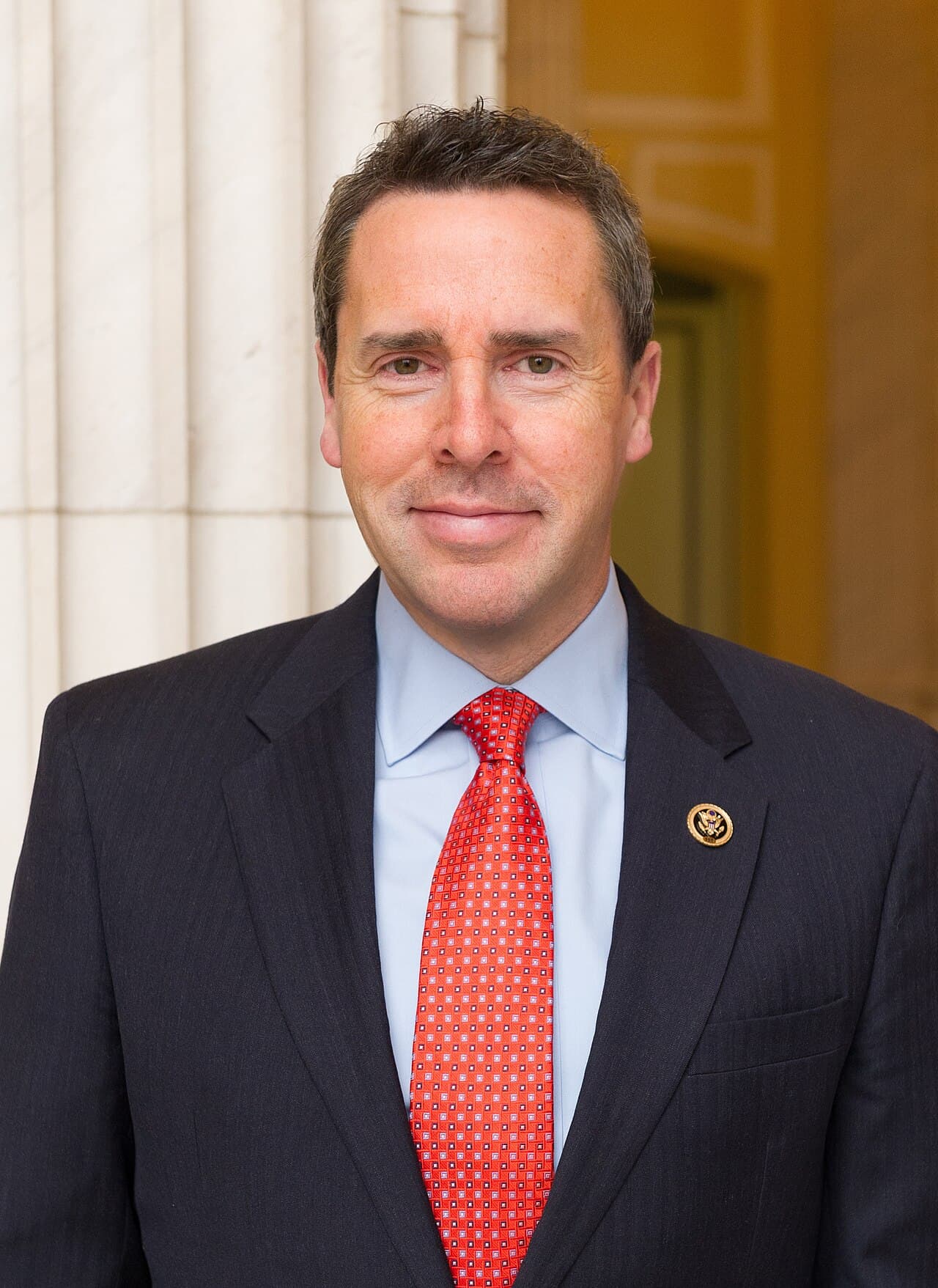
TALLAHASSEE, FLORIDA — U.S. District Judge Mark Walker rejected a legal challenge to Florida’s restrictive ballot initiative laws Thursday, impacting advocacy groups seeking to place measures on marijuana and Medicaid expansion before voters.
The ruling followed a two-week trial that concluded in February, with Walker siding with state election officials despite his previous criticism of Gov. Ron DeSantis and the Legislature. The judge found that some plaintiff groups lacked standing to bring the lawsuit and determined that lawmakers had constitutional authority to pass the 2025 restrictions.
Judge Acknowledges Process ‘Virtually Dead’
In his decision, Walker acknowledged the severe impact of the new restrictions while stopping short of declaring them unconstitutional. He concluded that legislators had the power to implement the changes to combat fraud and “protect the integrity” of the initiative process.
“The citizen initiative process, which gives Floridians a path to amend their Constitution, is virtually dead save for the most controversial issues for which tens of millions of dollars can be raised,” Walker wrote in his ruling.
The judge emphasized that while groups seeking ballot access have been “dismayed” by the changes, their concerns represented policy disagreements rather than constitutional violations requiring judicial intervention.
Constitutional vs. Policy Arguments
Walker distinguished between constitutional challenges and policy disputes in his analysis of the restrictions passed under HB 1205. He noted that the court’s role was limited to addressing constitutional violations, not evaluating the wisdom of legislative decisions.
“Plaintiffs’ quarrels with the wisdom of the Legislature’s actions — at least with respect to those provisions under HB 1205 for which Plaintiffs had standing to challenge — are policy arguments, not constitutional violations for which this court may grant relief,” Walker stated.
The judge further declared that “it is not for this court whether it is a good or bad thing that political power is being further consolidated in Tallahassee and reclaimed from the safety valve of direct democracy.”
Groups Vow to Continue Fight
Florida Decides Healthcare, one of the organizations that brought the legal challenge, expressed disappointment with the decision but indicated the battle would continue. The group issued a statement Thursday evening outlining its next steps.
“We are disappointed with today’s ruling. We are carefully reviewing the order and considering all available options, including an appeal,” the organization stated. “Medicaid expansion continues to be an important issue because every Floridian deserves access to quality healthcare, regardless of their zip code or income. This fight is not over.”
The restrictive legislation emerged after citizens’ initiatives on abortion access and recreational marijuana nearly succeeded in November 2024. Florida lawmakers responded by tightening requirements for ballot measures, making it significantly more difficult for advocacy groups to place constitutional amendments before voters.
The ruling represents a major victory for state Republicans who have sought to limit direct democracy mechanisms in Florida, while advocacy groups must now decide whether to pursue appeals or find alternative strategies for advancing their policy goals.