Trump Urges GOP States to Redraw Maps After Court Ruling Weakens Voting Rights
President Trump capitalizes on Supreme Court ruling to push GOP governors toward redistricting that could reshape November’s midterm elections.

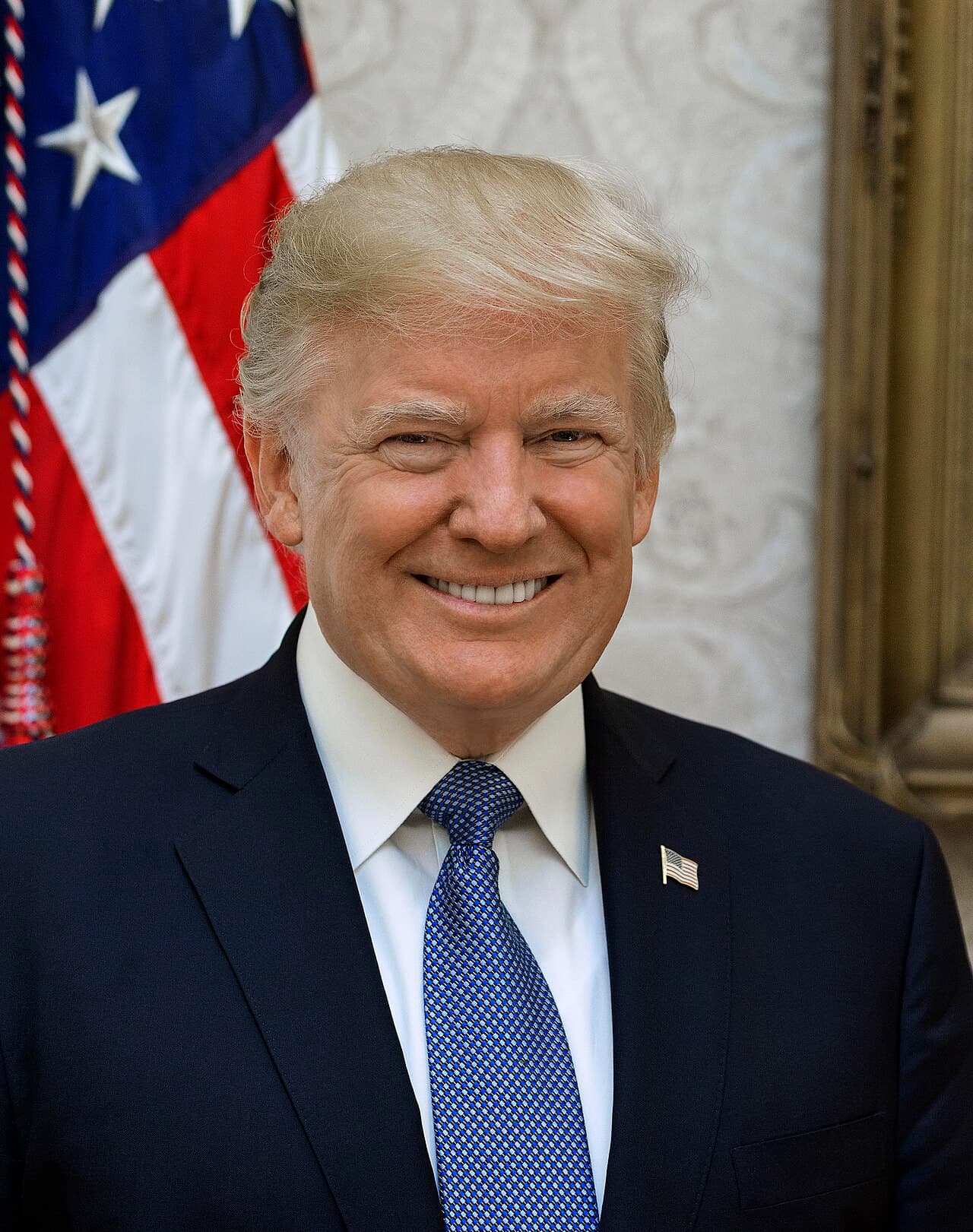
ATLANTA, GEORGIA — President Donald Trump moved Thursday to take advantage of a U.S. Supreme Court decision that weakened the federal Voting Rights Act, urging Republican governors to redraw congressional districts for partisan gain ahead of November’s midterm elections.
The court’s Wednesday ruling struck down Louisiana’s congressional map as unconstitutional and allowed other Republican-controlled states to break apart districts where most residents are Black. The decision could provide Trump’s party with new opportunities to gain seats as his approval ratings decline in polls.
Louisiana Suspends Primary Election
Louisiana Gov. Jeff Landry and state Attorney General Liz Murrill announced Thursday that the state’s congressional primary election, scheduled for mid-May, would be suspended. The pause gives state lawmakers time to draw a new map aimed at ousting at least one, if not two, Black Democrats from Congress.
Trump thanked Landry on his Truth Social platform for “moving so quickly to fix the Unconstitutionality” of the state’s current map. The president’s praise came as his Republican Party faces challenging midterm prospects, with historical patterns showing the president’s party typically performs poorly in such elections.
Tennessee Governor Pressured to Act
In a separate Truth Social post, Trump revealed he had spoken with Tennessee Republican Gov. Bill Lee, who faces calls to immediately gerrymander his state’s congressional districts. “I had a very good conversation with Governor Bill Lee, of Tennessee, this morning, wherein he stated that he would work hard to correct the unconstitutional flaw in the Congressional Maps of the Great State of Tennessee,” Trump wrote.
A spokesperson for Lee did not immediately respond to requests for comment about the governor’s redistricting plans or timeline for potential action.
Breaking Traditional Redistricting Cycles
The push represents a departure from traditional redistricting practices, where states typically redraw their maps once per decade following each census. Eight states have now broken that established norm, according to the source reporting.
The Supreme Court’s opinion could boost Trump’s broader effort to encourage states to redraw their maps to give Republicans an electoral edge. Democrats have expressed optimism about retaking control of the U.S. House in November’s midterm elections, particularly given Trump’s declining poll numbers since taking office for his second term in January.
The ruling specifically impacts districts with majority-Black populations, potentially allowing Republican-controlled state legislatures to dilute minority voting power by breaking up these communities across multiple districts. This redistricting strategy, known as “cracking,” has historically been used to reduce the electoral influence of minority voters.
Legal challenges to the new maps are expected as civil rights groups and Democratic officials prepare to contest redistricting efforts they view as discriminatory. The timing of these redistricting pushes, coming just months before the midterm elections, adds urgency to both the mapmaking process and potential legal responses.