Ohio Supreme Court Rules Utility Resellers Are Subject to State Regulation
The Ohio Supreme Court ruled that third-party electricity resellers at apartment complexes must be regulated as utilities, overturning a state commission decision.

COLUMBUS, OHIO — The Ohio Supreme Court reversed a state regulatory decision Wednesday, ruling that third-party companies managing electricity service at apartment complexes must be classified as utilities under state law.
The decision impacts submetering companies that profit from the difference between wholesale and retail energy costs by purchasing electricity in bulk at lower rates and reselling it at higher retail prices to tenants.
The court overturned a 2023 finding by the Public Utilities Commission of Ohio that determined National Energy Partners was not a “utility” and therefore outside the commission’s regulatory jurisdiction.
Court Rejects PUCO’s Interpretation
The utilities commission had argued that NEP provided power to landlords rather than tenants, and that the company acted merely as the landlords’ agent in managing daily power delivery instead of supplying energy directly.
The Supreme Court rejected this interpretation. “As a matter of plain English, this reading of the statute is self-evidently wrong,” the court wrote in its opinion.
“There is little question” that NEP operates in the business of providing power, the justices concluded.
Submetering Industry Impact
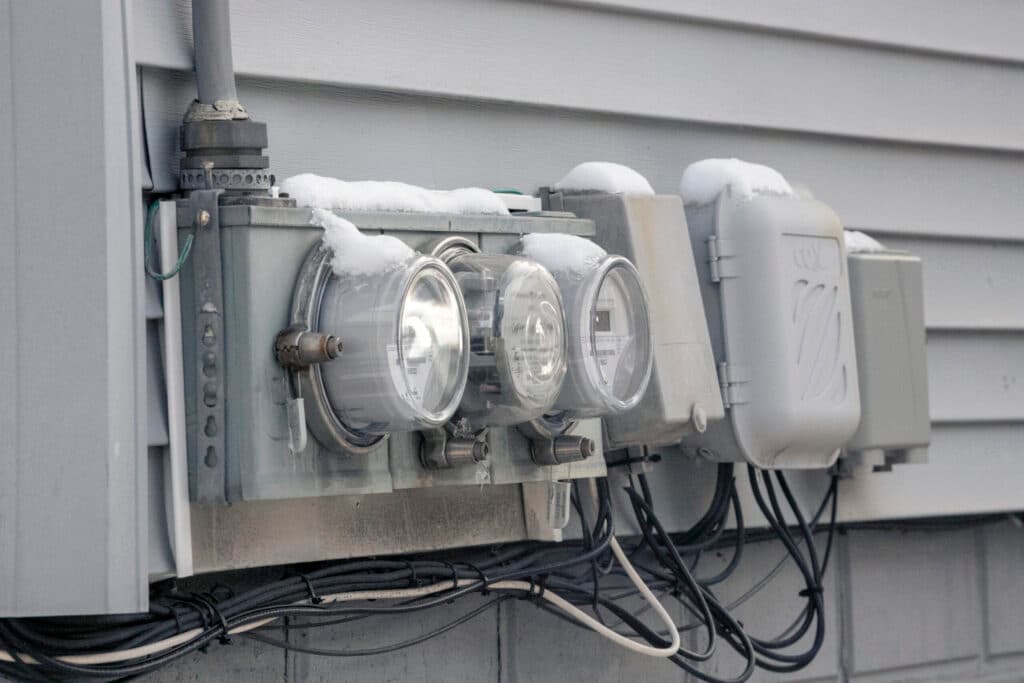
The court noted that submetering companies have evolved into sophisticated service providers that install and maintain physical equipment on-site, read customer meters, and handle billing for power consumption.
“From the tenants’ perspective,” the court observed, the submetering company is “for all practical purposes the supplier of their electricity.”
For a company to qualify as a utility under Ohio law, it must be “engaged in the business of supplying energy” to Ohio consumers. The Supreme Court determined that NEP clearly meets this standard despite the commission’s contrary finding.
Case Returns to Regulators
The case now returns to the Public Utilities Commission of Ohio for additional hearings following the Supreme Court’s directive.
The ruling could have broad implications for the submetering industry across Ohio, as similar companies operating at apartment complexes and other multi-tenant properties may now face increased regulatory oversight and requirements.
Submetering arrangements have become increasingly common as property managers seek to pass utility costs directly to tenants while maintaining control over energy purchasing and distribution.