Fossil Fuel Interests Fund Campaign to Keep Richland County Renewable Ban
Campaign finance records reveal fossil fuel industry ties behind efforts to maintain Richland County’s renewable energy ban ahead of May 5 vote.

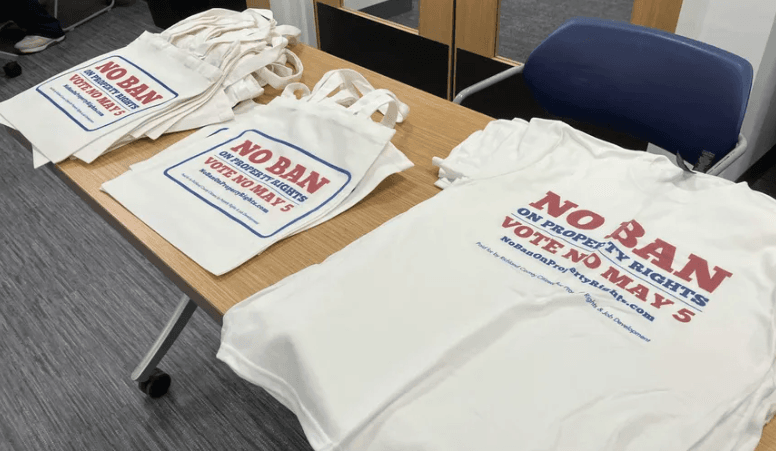
MANSFIELD, OHIO — A group fighting to uphold Richland County’s ban on renewable energy projects has received financial backing from individuals and organizations with ties to fossil fuel promotion, according to a campaign finance report filed this week.
Richland Farmland Preservation, the main organization urging voters to keep the renewable energy ban in place, reported only five contributions totaling $8,000 as of April 21, according to the campaign finance filing. The ban is scheduled for a voter referendum on May 5.
County Joins Statewide Renewable Restrictions
Richland County became one of more than three dozen Ohio counties last summer that bar utility-scale wind and solar projects in all or part of their jurisdiction. The restrictions operate under a 2021 state law that places extra hurdles on siting renewable energy projects, though not fossil fuel developments.
The county’s ban applies to 11 of its 18 townships, blocking new solar projects of 50 megawatts or more and new wind projects of 5 MW or more.
Unusual Ballot Challenge Emerges
What makes Richland County unusual among Ohio jurisdictions with renewable energy restrictions is that residents who oppose the ban successfully organized to place the issue on the ballot. The May 5 referendum will allow voters to decide whether to restore the right to consider wind and solar projects on a case-by-case basis.
If successful, the referendum could provide a blueprint for challenging local renewable energy restrictions that have proliferated across the United States in recent years.
Campaign finance records reveal the funding sources behind efforts to maintain the renewable energy ban, showing connections to fossil fuel promotion activities. The Richland Farmland Preservation group’s spending commitments and donor relationships highlight the broader energy industry interests at stake in the local ballot measure.
Statewide Impact Potential
The outcome of the Richland County vote could influence similar debates in other Ohio counties that have implemented renewable energy restrictions. More than three dozen counties across the state have adopted various forms of limitations on wind and solar development under the 2021 state legislation.
The referendum represents a direct challenge to the local implementation of state policies that critics argue favor fossil fuel development while creating barriers for renewable energy projects. Voters will have the opportunity to determine whether their county should maintain blanket restrictions or return to individual project review processes.
The May 5 election will test whether local opposition to renewable energy bans can overcome organized campaigns supported by fossil fuel industry interests. Results could provide insight into public sentiment regarding energy development choices at the county level.