90,000 North Carolina Adults Expected to Lose Food Benefits Under New Work Rules
Federal work requirements will eliminate food benefits for 90,000 NC adults, hitting former foster youth and veterans hardest.

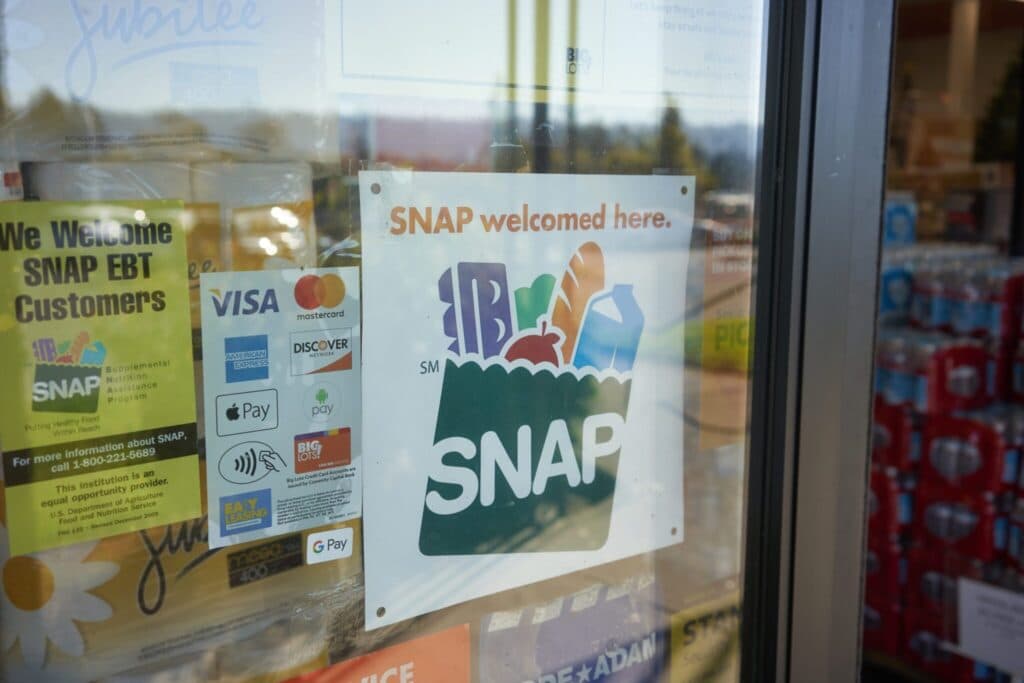
RALEIGH, NORTH CAROLINA — An estimated 90,000 adults in North Carolina will lose food benefits under new federal work requirements that took effect this year, forcing former foster youth, some homeless individuals, and military veterans to document employment or training to maintain assistance.
The changes stem from the federal “One Big Beautiful Bill Act” spending and tax cut package passed last year, which expanded work requirements for the Supplemental Nutrition Assistance Program (SNAP) and shifted more program costs to state and county governments.
Under the new rules, recipients must show they are working, volunteering, or attending training programs for at least 80 hours per month to receive food benefits. The law also raised the age limit for people subject to work requirements from 54 to 64, unless they qualify for exemptions.
Vulnerable Populations Face New Hurdles
The changes particularly affect groups that previously received protections. Former foster youth who aged out of the system at 18 could previously receive SNAP benefits until age 24 without work requirements.
Lindsey Haynes-Maslow, a professor at UNC-Chapel Hill who has studied SNAP and nutrition, expressed concern about how recipients will navigate the new system. She noted that veterans without diagnosed disabilities, people experiencing homelessness, and former foster youth face particular challenges.
“A lot of SNAP recipients, if they can work, they do work,” Haynes-Maslow said. “Many SNAP recipients are working low-wage jobs or multiple part-time jobs.”
Documentation Challenges for Workers
Many adults who need food benefits work unpredictable hours and “struggle to document who did what and where,” according to Haynes-Maslow. The documentation requirements add another layer of complexity for people already managing unstable employment situations.
The professor also raised concerns about the administrative burden on government agencies implementing the new rules. “It will take more people and more time,” she said. “Someone will have to pay for it.”
National and State Impact
The Congressional Budget Office estimates that nationally, the new work requirements will force 2.4 million people to lose food benefits in an average month from 2025 to 2034.
In North Carolina, SNAP enrollment has already begun declining, dropping by approximately 2% between December 1, when the new work requirements took effect, and recent months. The state Department of Health and Human Services provided the 90,000 estimate to state lawmakers as officials prepare for the full impact of the federal changes.
The law’s shift of costs from federal to state and county levels means local governments will face increased financial pressure to maintain services while potentially serving fewer eligible recipients under the stricter requirements.