Trump Administration Proposes Restricting Work Authorization for Asylum-Seekers
New Trump administration rules would force asylum-seekers to wait one year instead of six months for work permits, potentially affecting 1.4 million pending cases.

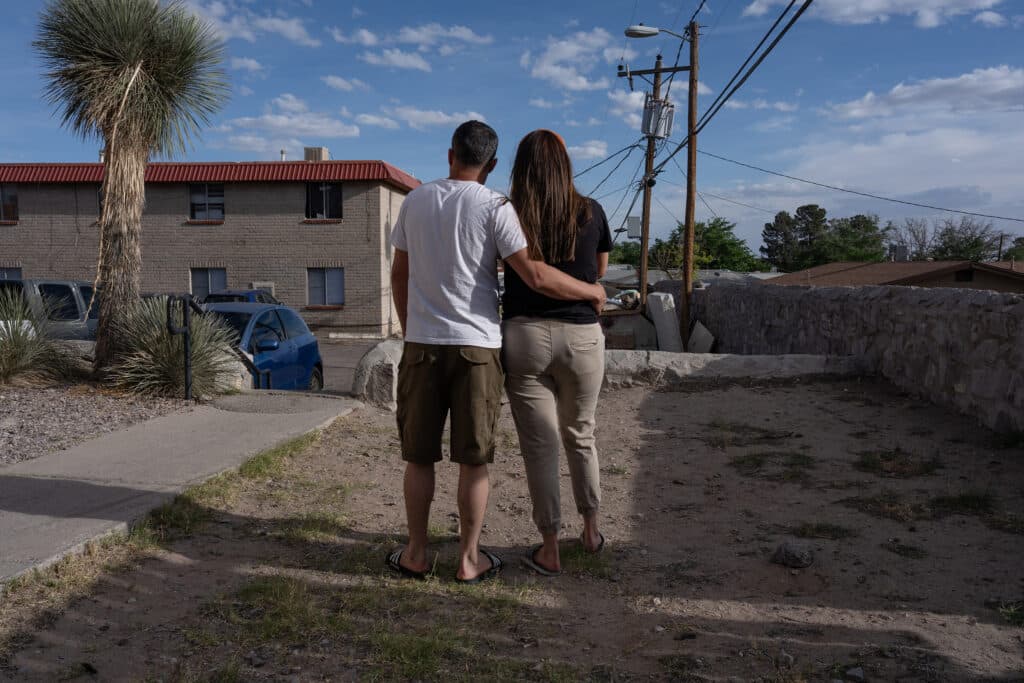
RALEIGH, NORTH CAROLINA — The Trump administration is proposing new rules that would significantly limit asylum-seekers’ ability to obtain work authorization while their cases proceed through immigration courts, potentially affecting over 1.4 million pending asylum cases nationwide.
Under the proposed regulations, asylum-seekers would need to wait one year after filing their asylum request before becoming eligible for work permits, extending the current six-month waiting period. The rule is open for public comment until Friday, with no effective date announced.
Work Authorization During Backlogs
The proposal would also pause any new requests for work permission during times of high asylum case processing backlogs. With the current backlog at 1.4 million asylum cases, this provision would effectively halt new and renewal work authorization applications for extended periods.
The new rules are likely to face legal challenges in federal courts, according to immigration advocates and legal experts.
Personal Impact on Asylum-Seekers
Amal Khalifa, who fled Egypt in 2019 and received asylum last year, described how work authorization proved essential to her survival in the United States. After leaving her former fiancé, she needed to support herself while her asylum case proceeded through the courts.
“When I walked into that precinct I felt like a human being for the first time in my whole life,” Khalifa said, recalling her experience reporting domestic violence to police after arriving in the United States. “I like the system here — it is there to help the people.”
Khalifa was able to work as an auditor for the New York State Department of Labor while her case was pending. She credits her ability to earn a living with the legal work permission she obtained after establishing her asylum case.
Basis for Asylum Claims
Khalifa’s asylum claim was based on her fear of returning to Egypt, where she faced persecution as a government worker for reporting corrupt criminal activity. She also faced illegal pressure from the outlawed but powerful Muslim Brotherhood organization.
The proposed changes would affect future asylum-seekers who find themselves in similar situations, potentially forcing them to survive without legal income for extended periods while their cases remain pending in an increasingly backlogged immigration court system.
Immigration attorneys and advocacy groups are expected to submit comments opposing the rule changes before the Friday deadline. The administration has not indicated when the proposed regulations might take effect if finalized.