North Carolina Ranks 32nd Nationally in Pre-K Access as Funding Drops
New study finds NC served only 21% of eligible four-year-olds while cutting per-pupil spending by nearly $1,000 compared to previous year.

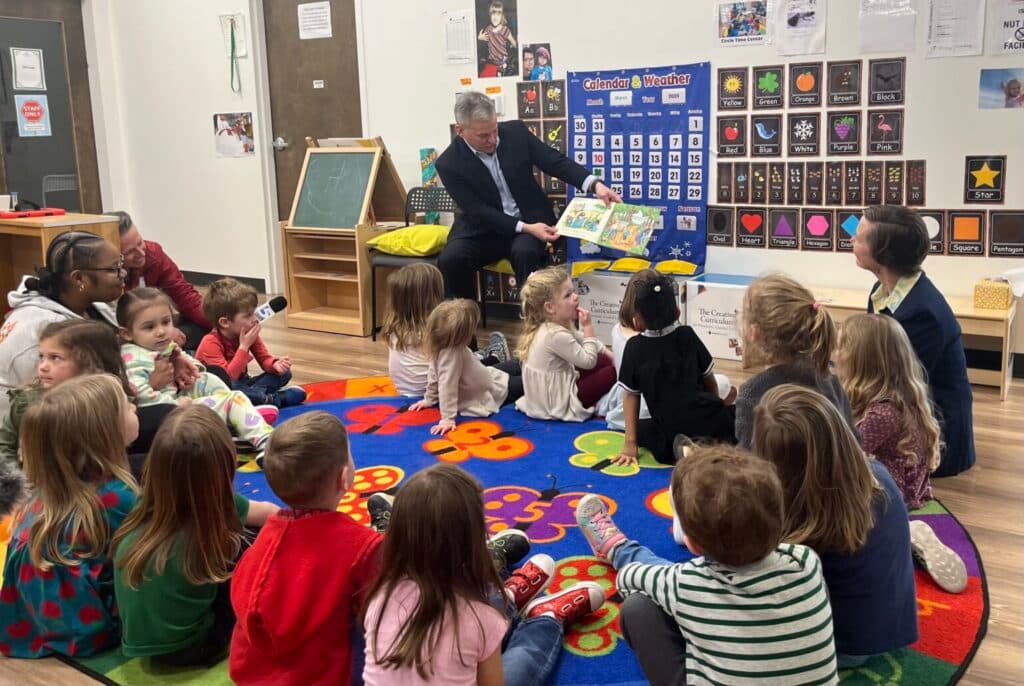
RALEIGH, NORTH CAROLINA — North Carolina ranked 32nd in the nation for providing preschool access to four-year-olds, according to a new study that found the state spent less money and enrolled fewer children in pre-K programs during the 2024-2025 school year.
The 2025 State of Preschool Yearbook by the National Institute for Early Education Research revealed that N.C. Pre-K served 26,707 of the state’s four-year-olds, representing about 21% of eligible children. The findings highlight a concerning trend as other states expand their early childhood education programs.
Comparison with Neighboring States
North Carolina’s performance lagged significantly behind regional competitors. South Carolina served 45% of its four-year-olds and 6% of eligible three-year-olds, demonstrating a much broader reach in early childhood education access.
Steve Barnett, NIEER’s senior director and founder, said the data shows North Carolina is moving in the wrong direction. “Georgia, by contrast, has a universal preschool program that newly meets all 10 of our research-based quality standards, showing that quality preschool can be expanded at scale,” Barnett said.
Funding Cuts Impact Programs
The state’s pre-K program faced significant financial reductions during the 2024-25 school year. North Carolina spent nearly $1,000 less per-pupil on the state pre-K program compared to the previous year, according to Barnett.
These funding cuts created uneven access across the state’s 100 counties. “When the state underfunds the program, local dollars have to make up the difference,” Barnett explained. “Some communities have those local dollars to make up the difference for more kids. Other communities, rural communities may already be stretched thin.”
Geographic Disparities in Access
The research found that participation rates in pre-K programs vary dramatically from county to county within North Carolina. This disparity reflects the challenges facing rural and economically disadvantaged communities that lack sufficient local funding to supplement state resources.
Allison Friedman-Krauss served as the lead author of the NIEER report that documented these statewide trends in early childhood education access and quality.
The study comes as early childhood education advocates push for increased state investment in pre-K programs. Research consistently shows that quality early childhood education programs provide significant benefits for children’s academic and social development, particularly for students from low-income families.
Governor Josh Stein has previously shown support for early childhood education initiatives, including visits to learning centers across the state. However, the latest data suggests North Carolina will need substantial policy changes and increased funding to improve its national ranking in pre-K access.