Tennessee Lawmakers Remove Landfill Exemption from Scenic River Protection Bill
Tennessee legislators removed an exemption for existing landfill permits before sending scenic river protection legislation to the governor’s desk.

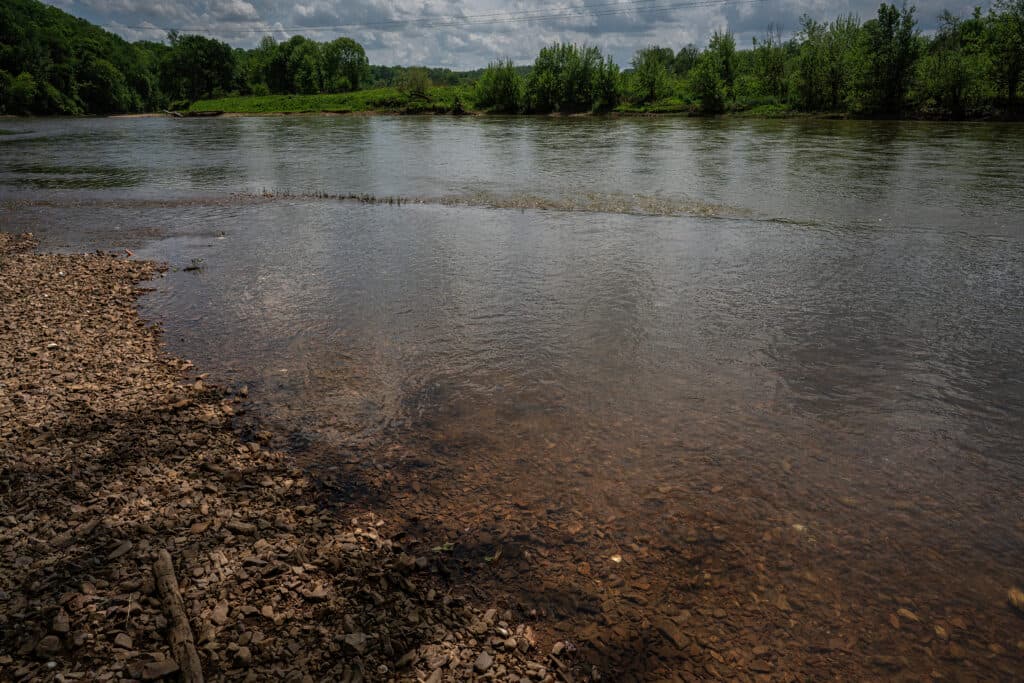
NASHVILLE, TENNESSEE — Tennessee lawmakers removed a controversial amendment from legislation protecting the Duck and Buffalo rivers from landfill development before sending the bill to Governor Bill Lee for his signature.
The General Assembly eliminated a last-minute provision that would have exempted current landfill permit holders from new restrictions under the scenic waterway designation. The bill designates nearly all of the Duck River, Buffalo River, and their tributaries as Class II pastoral waterways.
Under the new classification, mining, commercial timber harvest, and landfills would be prohibited within two miles of the scenic waterways. Agriculture and other traditional rural uses may continue under the legislation.
Amendment Added, Then Removed
The state House initially added an amendment to the bill on April 9, specifying that the legislation would not bar construction, operation, or expansion of landfills with valid permits issued prior to the bill’s passage. The state Senate, which had unanimously approved the original bill, later chose to remove this exemption.
According to the Tennessee Department of Environment and Conservation, only three of nine landfill permits issued within the two-mile prohibition zone along the Duck and Buffalo rivers remain “active.” Having an active permit does not necessarily indicate ongoing landfill operations at the site.
Affected Permit Sites
One of the active permit sites belongs to the Maury County government and was never constructed. Another site is owned by a graphite materials company.
The amendment would not have applied to a site formerly owned by the Monsanto Chemical Company, despite having an active permit, because that location was already restricted for landfill use by separate scenic river legislation passed in 2023. The landfill site’s current owners filed a lawsuit over blocked expansion plans, and the case remains pending in Davidson County Chancery Court.
The scenic river protection measure represents years of advocacy by environmental groups and local communities concerned about potential impacts to Tennessee’s water resources. The Duck River system is considered one of the most biodiverse waterways in North America, supporting numerous species of fish and freshwater mussels.
The legislation now awaits Governor Lee’s signature to become law. Once enacted, the new protections would establish permanent safeguards for the river systems against industrial development while preserving traditional agricultural and rural land uses.