North Carolina Legislature Returns as Budget Crisis, Medicaid Shortfall Loom
Lawmakers return Tuesday to face a budget crisis nine months in the making, with Medicaid funding running out and no agreement in sight.

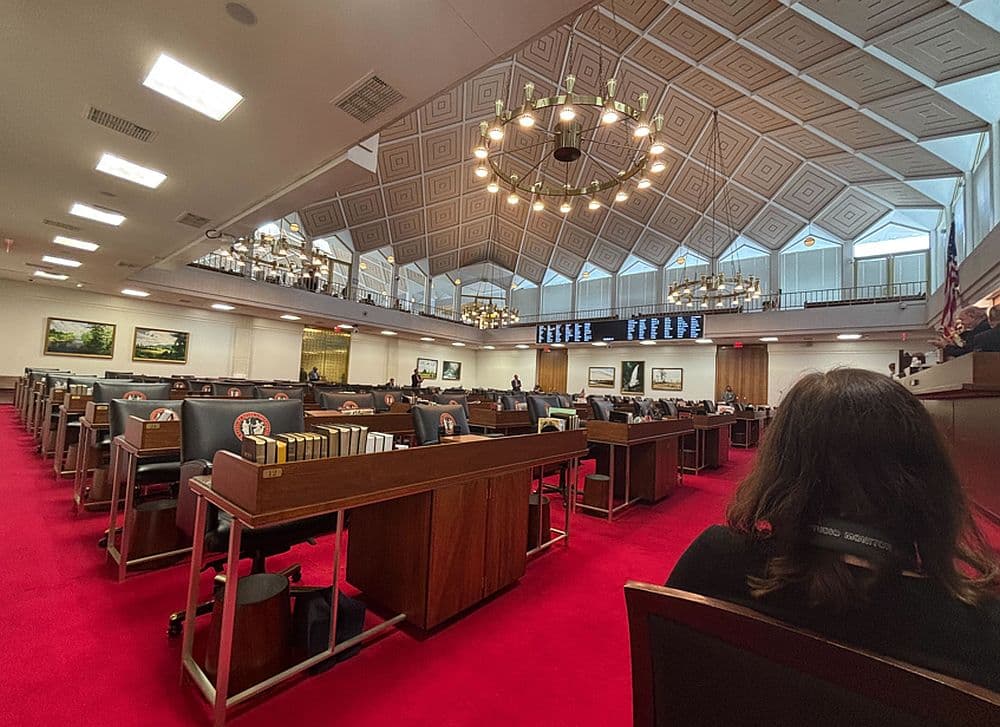
RALEIGH, NORTH CAROLINA — North Carolina lawmakers return to work Tuesday facing a comprehensive state budget more than nine months overdue, a looming Medicaid funding crisis, and disagreements that have paralyzed state government operations for nearly a year.
The General Assembly confronts the same divisions that stalled progress during last year’s regular session. Governor Josh Stein, a Democrat, remains at odds with the Republican-controlled legislature, while House and Senate Republican leaders cannot agree among themselves on key budget priorities.
Several lame-duck legislators who lost their primaries now serve as wild cards in budget talks. Republican Senate leader Phil Berger of Rockingham, one of the state’s most powerful politicians, is among those who will not return next session, along with several House Democrats and Republicans.
Competing Budget Proposals Highlight Divisions
The budget impasse centers on disagreements over spending priorities and tax policy. House Republicans have proposed average teacher raises exceeding 8% over two years, with starting teacher pay jumping to $50,000 annually. Their proposal includes $32.6 billion in spending for the current budget year and pauses future personal income tax rate cuts.
Senate Republicans took a more conservative approach, proposing teacher raises averaging just 3.3% while maintaining planned tax cuts. The Senate’s spending proposal totals $32.3 billion for this year, $300 million less than the House version.
State employees and teachers across North Carolina have grown increasingly frustrated as they wait for promised salary increases while the budget stalemate continues.
Medicaid Crisis Demands Immediate Action
The most pressing issue facing lawmakers is a $319 million Medicaid shortfall that threatens healthcare coverage for approximately 3.1 million North Carolinians. The state’s health insurance program is about to run out of money, and Governor Stein has demanded additional funding for months.
“It is time to fund Medicaid,” Stein said in a November news conference. “Because if [lawmakers] fail to do so, people are suffering. And it is unacceptable.”
Last year, bills that would have provided additional Medicaid funding became entangled in broader budget disagreements between House and Senate leaders, leaving the program in financial jeopardy.
Political Dynamics Complicate Path Forward
The unusual number of lame-duck legislators adds unpredictability to an already challenging political environment. These departing lawmakers may feel less constrained by party leadership or electoral considerations, potentially creating opportunities for compromise or additional obstacles to agreement.
Senate leader Berger’s departure is significant given his influential role in state budget negotiations over recent years. His replacement as Republican leader will inherit a complex set of budget challenges and political relationships.
The legislature’s return comes as North Carolina faces pressure to address not only the immediate Medicaid crisis but also longer-term questions about state spending priorities, tax policy, and public employee compensation. The extended budget delay has created uncertainty for state agencies, school districts, and healthcare providers who depend on predictable state funding.
Tuesday’s session will test whether divided government and internal Republican disagreements can be overcome to address the state’s most pressing fiscal challenges.