Democratic Senate Candidates Face Heated Reception at Michigan Party Convention
U.S. Rep. Haley Stevens faced loud boos over her Israel stance while rival Senate candidates received warmer receptions at the heated Democratic Party convention.

DETROIT, MICHIGAN — Tensions over Israel policy erupted during the Michigan Democratic Party’s spring convention over the weekend, as U.S. Senate candidate Haley Stevens faced loud boos and heckling from delegates while delivering her remarks Sunday.
Stevens, a U.S. Representative from Birmingham, spoke over continued jeering from throughout the convention hall, with much of the criticism focused on her support for Israel in its war against Hamas in Gaza. Amnesty International and a United Nations panel have called the conflict a genocide against the Palestinian people.
“Democrats, I love you, even when we disagree,” Stevens said as audience members in the front row shouted “shame.”
Tight Three-Way Primary Race
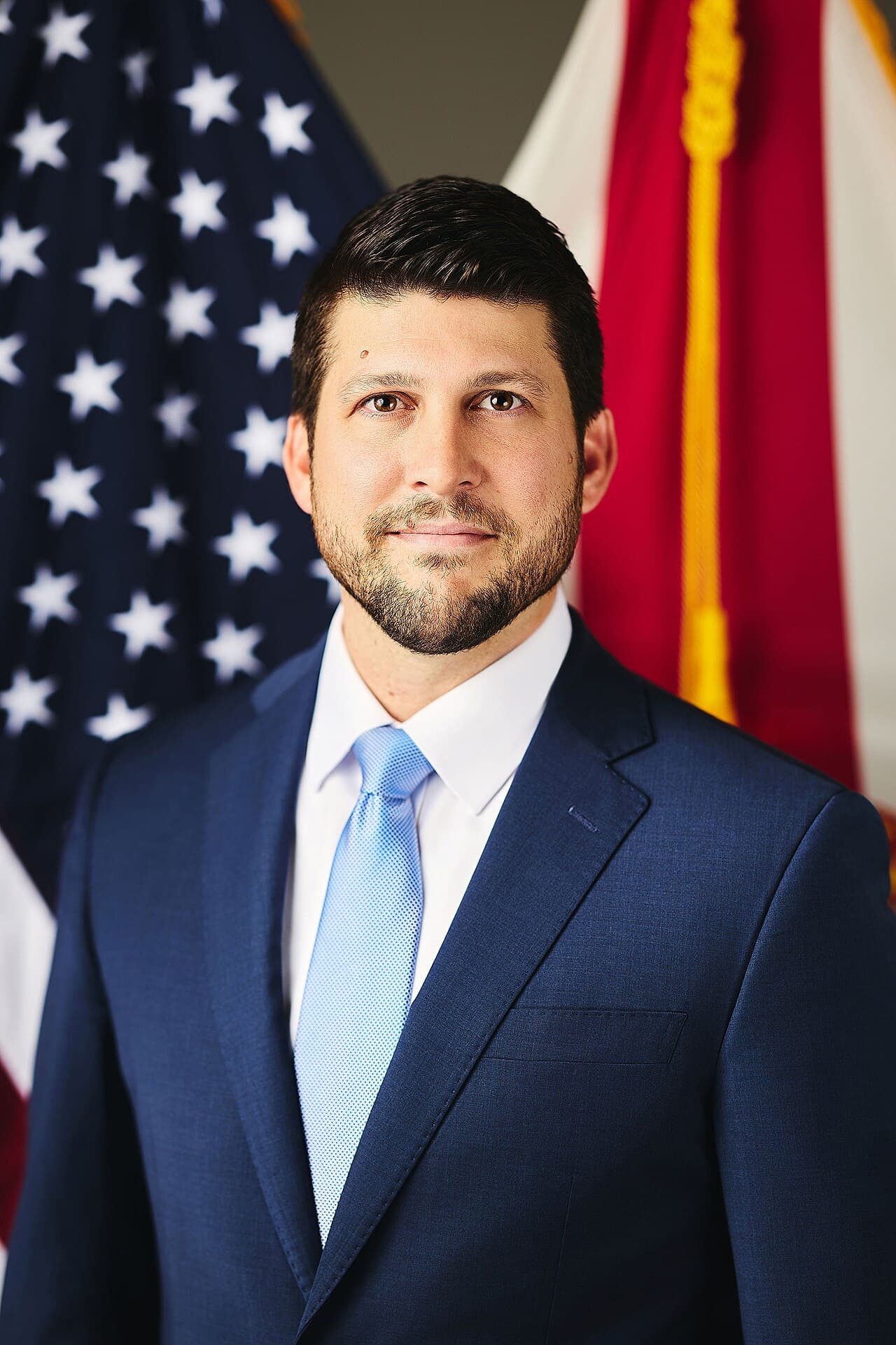
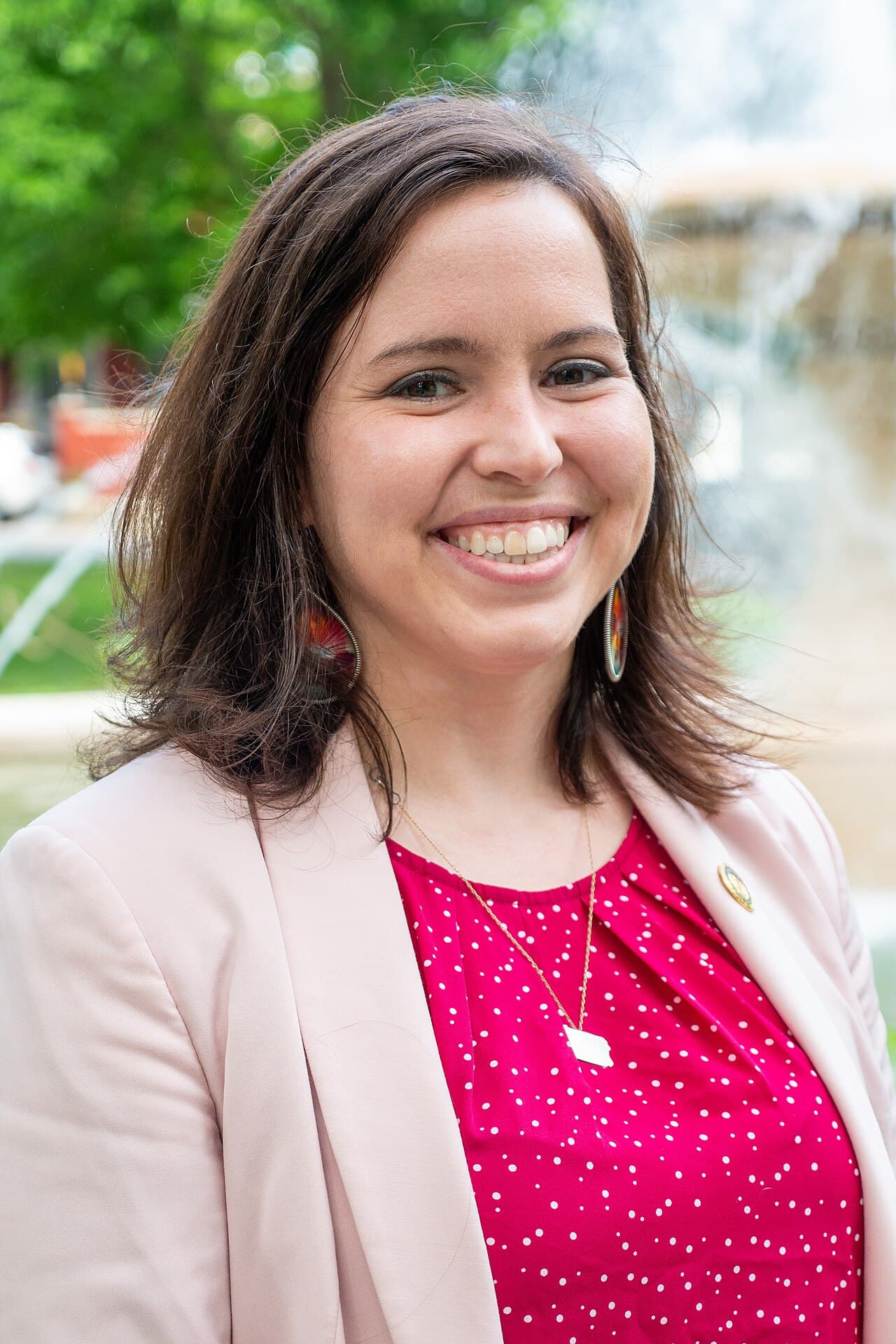
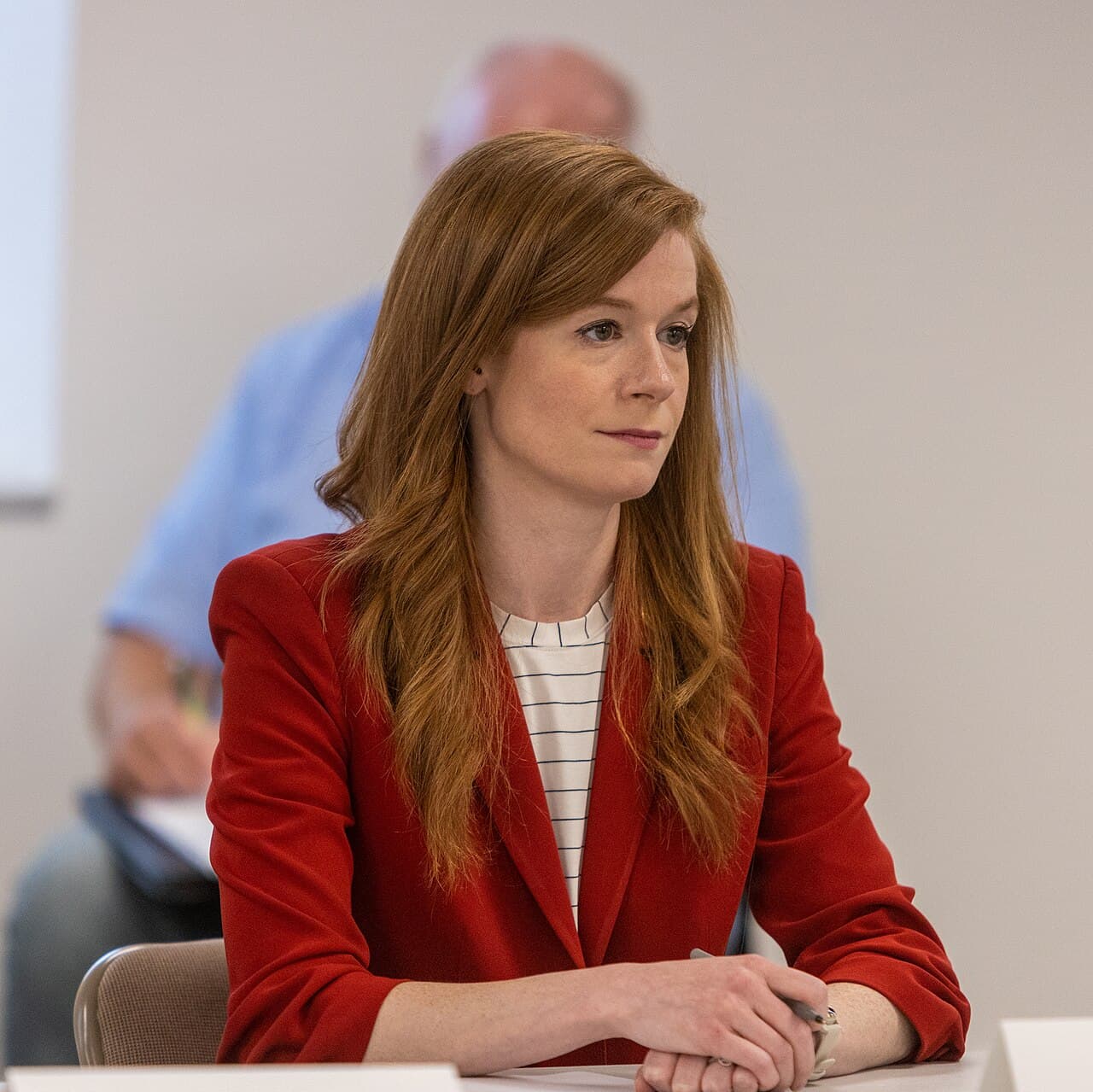
The hostile reception highlighted deep divisions within the party as Stevens competes in a close primary race for Michigan’s open U.S. Senate seat. Polls show Stevens, state Senator Mallory McMorrow of Royal Oak, and former Wayne County Health Director Abdul El-Sayed each drawing nearly equal levels of support.
McMorrow did not face the same level of backlash during her appearance but did receive scattered chants of “Abdul” as she exited the stage, suggesting delegate preferences for El-Sayed among some convention attendees.
Progressive Caucus Dominance
The convention atmosphere may have reflected the influence of the party’s progressive wing, as nearly every candidate endorsed by the Michigan Democratic Party Progressive Caucus won their races Sunday. This dynamic created what sources described as a particularly challenging environment for candidates viewed as moderate.
The party endorsement convention served as an early test of delegate sentiment ahead of the primary election, though the formal endorsement process did not appear to resolve the competitive Senate race. The heated exchanges over foreign policy positions signal that Israel-Palestine issues will likely remain a central fault line in the Democratic primary campaign.
Stevens’ reception contrasted sharply with the more subdued responses to her primary opponents, highlighting how her positions on Middle East policy have become a lightning rod within Michigan’s Democratic base. The state’s significant Arab American population has been vocal in opposing U.S. support for Israel’s military actions in Gaza.
The convention took place as all three candidates continue working to distinguish themselves in a race where polling shows no clear frontrunner. The primary will determine who faces the Republican nominee in the general election for the Senate seat.