Flesh-Eating Bacteria Research Intensifies as Climate Change Spreads Vibrio
Scientists monitoring deadly Vibrio bacteria on Florida beaches face the challenge of studying public health threats while beachgoers continue swimming in potentially dangerous waters.

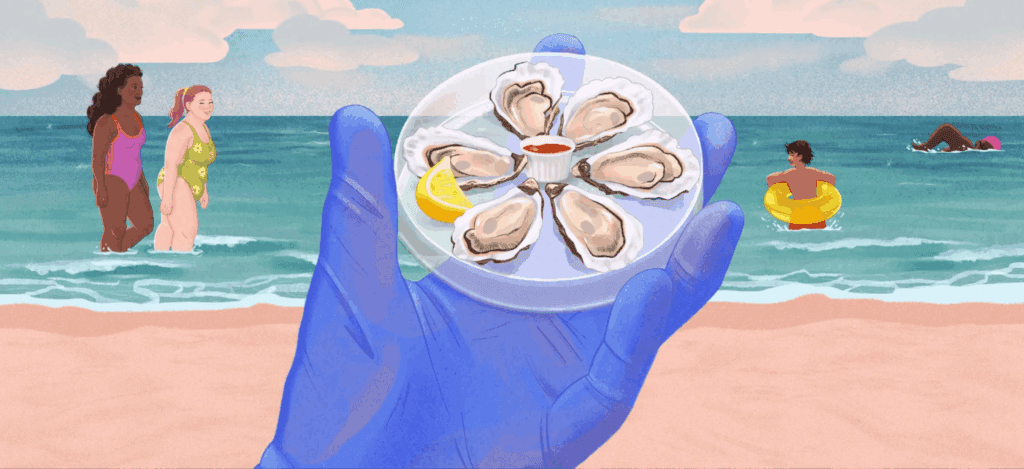
PENSACOLA, FLORIDA — Researchers Bailey Magers and Sunil Kumar were surrounded by bags of disinfectant solution on Pensacola Beach last August, their gloved hands juggling test tubes as they monitored seawater quality for a deadly bacteria that has captured public attention.
When a woman in a swimsuit approached to ask about their work, the scientists confirmed they were investigating Vibrio, the so-called flesh-eating bacteria. The woman, who had visible scrapes and bruises, returned to swim in the ocean despite the ongoing research, highlighting the challenge scientists face in studying this ancient marine threat.
Ancient Bacteria in Modern Waters
Vibrio bacteria represent a lineage of ancient marine species that researchers believe emerged during the Paleozoic Era. The organisms developed in enormous, shallow seas that flooded massive supercontinents hundreds of millions of years ago, thriving in the temperate waters of newly-formed marine ecosystems.
Today, more than 70 Vibrio species exist in environmental waters, according to researchers. These organisms float in warm, brackish water and attach themselves to plankton and algae, accumulating in significant numbers in water-filtering species like clams and oysters.
Climate Connection Drives Research
The research is part of the Grist series “Vital Signs,” which explores how climate change affects human health. The reporting initiative receives support from the Wellcome Trust and examines the connection between rising temperatures and the spread of marine bacteria.
“We’re just actively monitoring water quality,” Magers and Kumar told the beachgoer who inquired about their work. When she pressed further about the flesh-eating bacteria, they replied, “We’re looking into it,” hoping not to frighten her.
The incident illustrates the balance researchers must maintain between conducting necessary public health monitoring and avoiding unnecessary panic among beach visitors and swimmers.
Ongoing Monitoring Efforts
The August sampling on Pensacola Beach is part of broader efforts to track Vibrio bacteria along coastal waters. Scientists use specialized equipment and safety protocols, including multiple layers of rubber and plastic protection, to collect and analyze seawater samples.
The research comes as climate change continues to warm ocean waters, potentially creating more favorable conditions for Vibrio bacteria to thrive and spread to new geographic areas along the Atlantic Coast.
Kumar’s observation of the woman entering the water despite visible wounds on her skin underscores the potential risks that researchers are working to understand and communicate to the public.