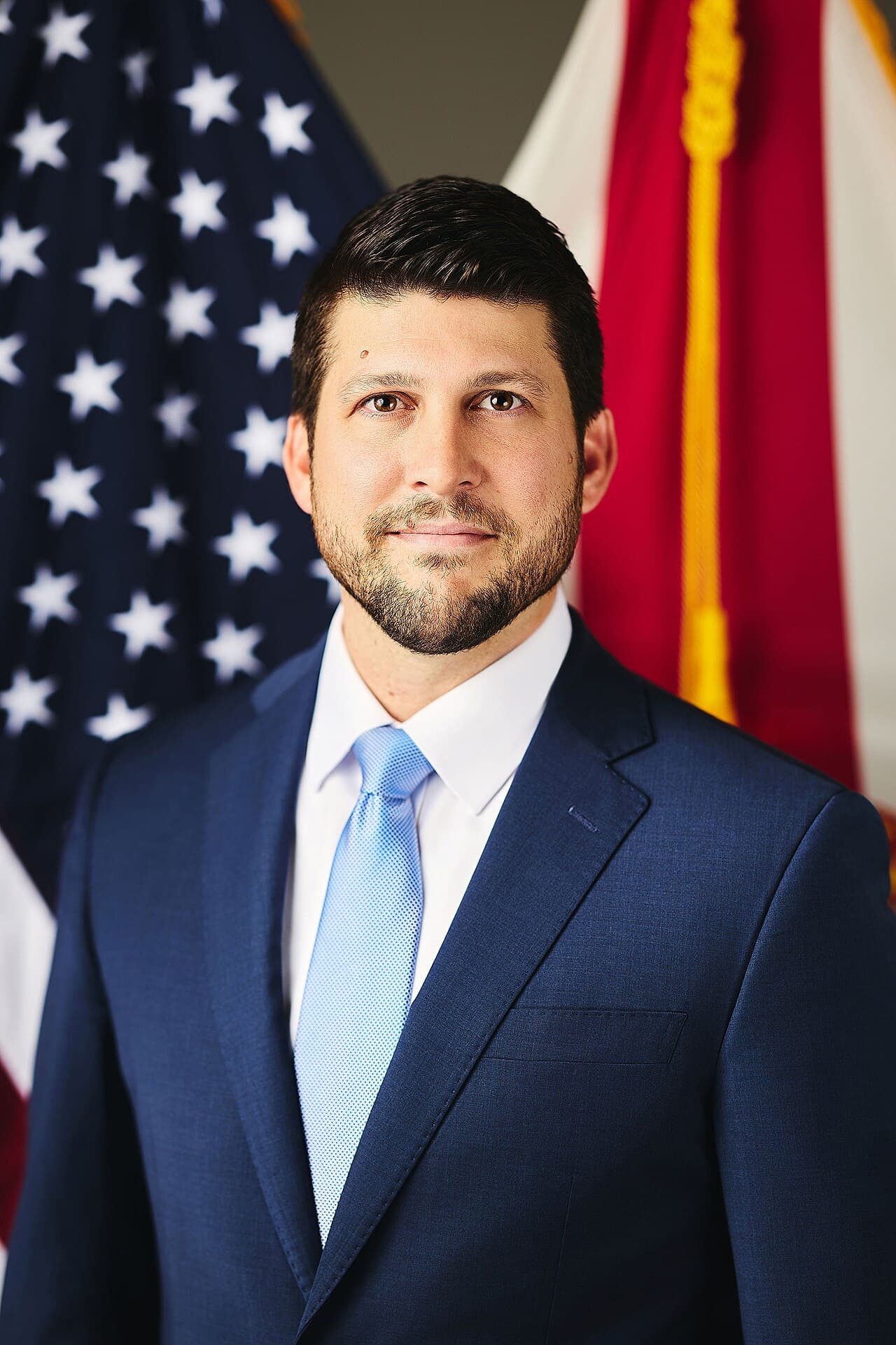
Tennessee Political Leaders Remain Silent on State’s Redistricting Controversy
Former Tennessee political heavyweights stay quiet on redistricting controversy, with only Al Gore speaking out against congressional map changes.

NASHVILLE, TENNESSEE — Former Tennessee political leaders who once commanded statewide respect are staying largely silent as the state grapples with controversial redistricting that has drawn criticism from civil rights groups and Democratic officials.
The Tennessee General Assembly held a special legislative session in early May to redraw the state’s congressional districts, prompting questions about why prominent former officials have not weighed in on the matter. Among those who typically avoid commenting on divisive issues are former Vice President Al Gore, former governors Phil Bredesen and Bill Haslam, and former U.S. Senator Lamar Alexander.
Gore Breaks Silence on Redistricting
In a rare public statement on a controversial state issue, Gore addressed the redistricting during a recent interview with Tennessee Lookout reporter Cassandra Stephenson. The former vice president called the General Assembly’s move to redraw congressional districts to carve up a primarily Black district “a problem for democracy.”
Gore spoke during a climate event at Vanderbilt University in Nashville on May 1, where he was photographed by the Tennessee Lookout. His comments marked an unusual departure from his typical avoidance of state political controversies.
Legacy of Tennessee Statesmanship
The silence from current Tennessee political elders contrasts sharply with the legacy of Howard Baker, the longtime Republican U.S. senator who served from 1966 through 1984. Baker earned the nickname “Great Conciliator” for his skill in brokering bipartisan deals and commitment to civil discourse during his Senate tenure.
Baker served as the ranking minority member on the committee investigating President Richard Nixon’s involvement in the Watergate scandal. He died in 2014, leaving a void in Tennessee Republican leadership that political observers say has not been filled by current officeholders.
Political commentators often cite Gore, Bredesen, Haslam, and Alexander as the current generation’s Tennessee statesmen, all possessing significant political capital and freedom to speak on state issues without electoral consequences.
Bredesen’s Electoral Success
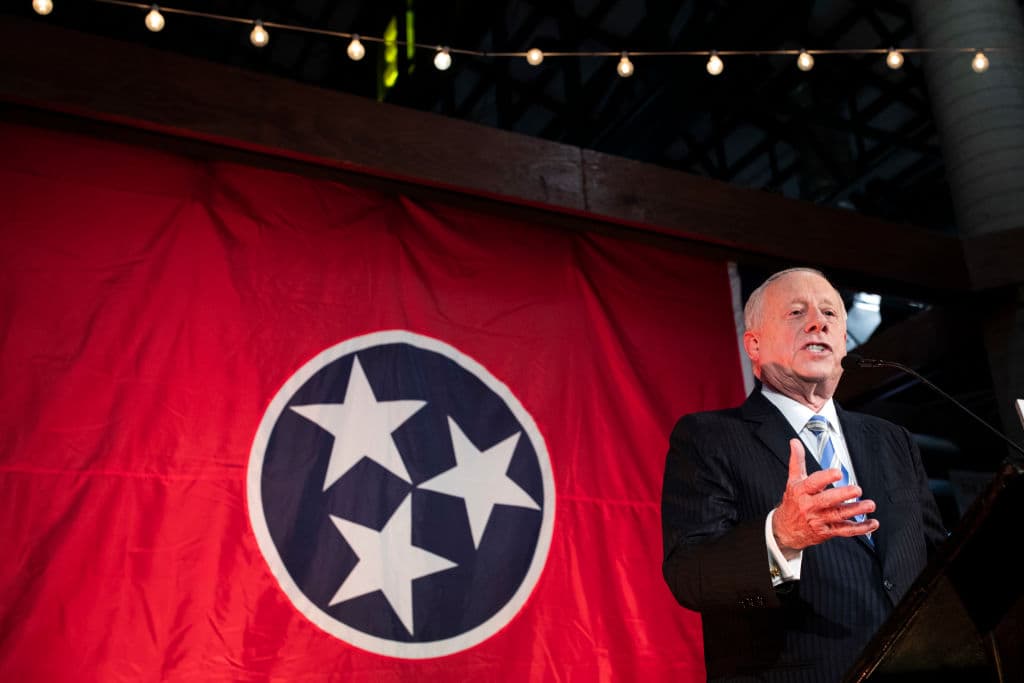
Bredesen, a Democrat who won all 95 counties in his 2006 gubernatorial reelection race, remains highly regarded across Tennessee but rarely addresses controversial political issues. The former governor was photographed during his 2018 U.S. Senate campaign against Republican Marsha Blackburn, a race he ultimately lost.
Despite their statewide popularity and political experience, the group of former leaders has consistently avoided taking public positions on divisive state matters, leaving younger politicians and advocacy groups to lead public debates on issues like redistricting.
The Tennessee Lookout reached out to representatives for the former officials seeking comment on the state’s redistricting process, but most declined to provide statements on the controversial legislative action.