Tennessee LGBTQ+ Groups Challenge New Law Restricting Doctor-Patient Conversations
LGBTQ+ groups slam Tennessee law banning doctors from asking minors about gender, warning of harmful consequences for transgender youth seeking medical care.

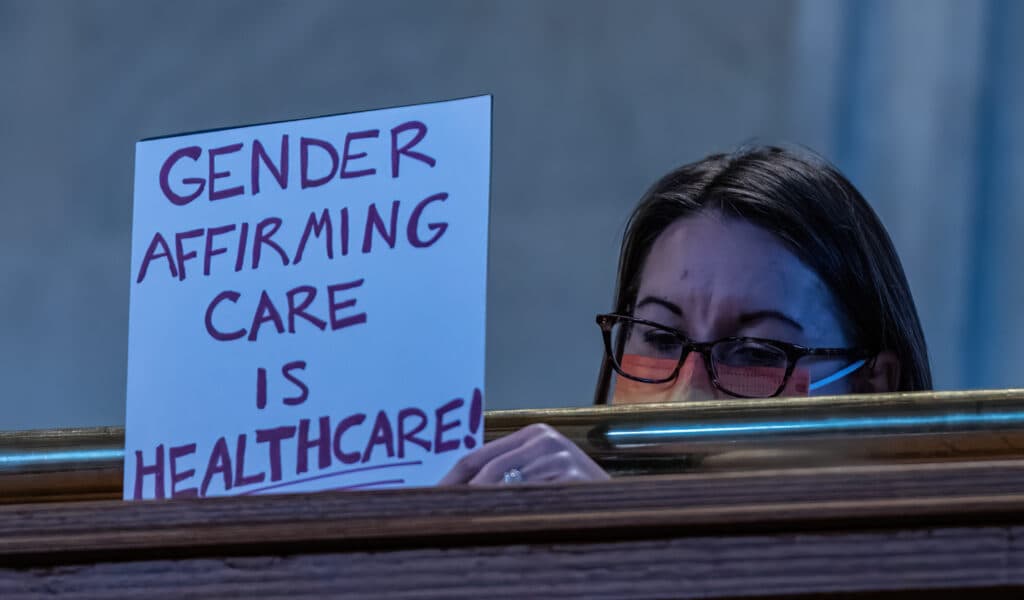
NASHVILLE, TENNESSEE — LGBTQ+ advocacy organizations are denouncing a recently enacted Tennessee law that prohibits healthcare providers from asking minor patients questions about gender identity, warning the legislation could harm transgender youth across the state.
The Tennessee General Assembly passed House Bill 1665 in March with exclusive Republican support, drawing no backing from Democratic lawmakers. The measure has sparked fierce opposition from civil rights groups who characterize it as an unwarranted assault on LGBTQ+ communities.
Advocates Call Law ‘Medical Censorship’
A comprehensive analysis released by the Tennessee Equality Project and Human Rights Campaign labels the legislation “medical censorship” that threatens to trigger expensive court battles. The organizations argue the law represents unprecedented government interference in medical practice.
“Everyone should be alarmed by the scale of government control over doctors’ and patients’ speech under this law,” said Bean Chapman, legislative analyst for Equality Project. “Asking minors objective questions about gender identity is necessary to access developmentally appropriate and life saving health prevention services.”
Chapman emphasized that the restrictions could have severe consequences for vulnerable youth. “Our report clearly outlines the ways laws that intimidate doctors through medical censorship will lead to more mental distress and even worse health outcomes for transgender, gender diverse and intersex minors,” Chapman stated.
Concerns for At-Risk Youth
The legislative analyst expressed particular concern for minors facing family rejection and those with limited mental health resources. “This shameful law will have dire consequences for minors rejected by their families and those whose only access to mental health is with their doctor,” Chapman warned.
The advocacy groups contend that preventing healthcare providers from discussing gender identity topics with minor patients could create barriers to essential medical care. They argue such conversations are fundamental to providing appropriate healthcare services tailored to young patients’ developmental needs.
Legal Challenges Expected
The organizations predict the law will face significant legal scrutiny in coming months. Their joint report suggests the legislation’s broad restrictions on medical communications could violate constitutional protections for both healthcare providers and patients.
The measure adds Tennessee to a growing list of states implementing policies affecting transgender youth and medical care. Republican legislators have defended such measures as protecting parental rights and ensuring appropriate medical oversight for minors.
Democratic lawmakers who opposed the legislation during the March vote argued the bill was unnecessary government overreach into medical practice. They contended existing medical protocols and parental involvement requirements already provided sufficient safeguards.
The Tennessee Equality Project and Human Rights Campaign indicated they are exploring all available options to challenge the law’s implementation and protect affected youth statewide.