Nurse Practitioners Rally for Independence from Physician Oversight in Pennsylvania
Nurse practitioners rallied at Pennsylvania’s capitol demanding independence from physician oversight requirements that delayed patient care for six months at a Philadelphia health center.

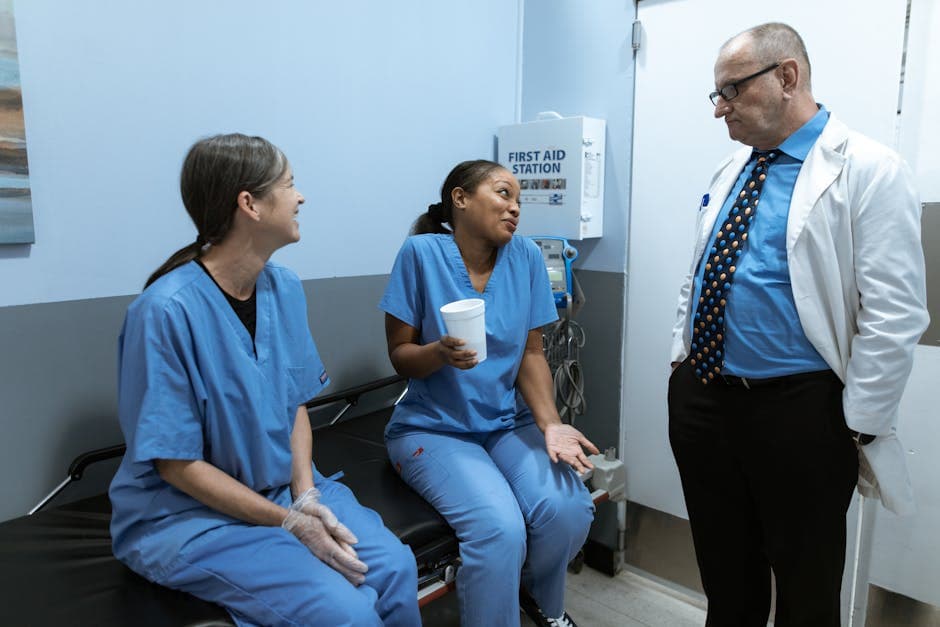
HARRISBURG, PENNSYLVANIA — Nurse practitioners gathered at the state capitol on June 1, 2026, to advocate for independence from mandatory physician oversight, citing delays in patient care caused by Pennsylvania’s current regulations.
Emily Nichols, CEO of Family Practice and Counseling Services Network in Philadelphia, described how her organization waited nearly six months before a newly hired psychiatric nurse practitioner could see patients due to state requirements for physician collaboration.
“And that’s just one psych NP. We could hire four more for the need we see, but we don’t have the resources and we don’t have the collaborating physicians,” Nichols told the Pennsylvania Capital-Star. “And we have to pay for (collaborating physicians). We’re a community health center; we’re operating on a pretty thin margin.”
Current Pennsylvania Requirements
Pennsylvania operates as a “reduced practice state,” requiring Certified Registered Nurse Practitioners to maintain written collaborative agreements with licensed physicians. The Pennsylvania Coalition of Nurse Practitioners notes that NPs can assess patients, diagnose conditions, order and interpret tests, develop treatment plans, prescribe medications, and coordinate patient care under these agreements.
The collaborative agreements require overseeing doctors to consult, review records and charts, and provide ongoing supervision. This system has created barriers for healthcare organizations serving medically underserved populations, particularly in mental health services.
Regional Comparison
Most of Pennsylvania’s neighboring states allow nurse practitioners to operate independently of physician oversight, with Ohio being the primary exception according to the rally organizers. The disparity has highlighted Pennsylvania’s position among states with more restrictive practice environments for advanced practice nurses.
Sheilah Yohn, President-Elect of the state nurse practitioner association, joined colleagues at the Harrisburg rally to advocate for expanded scope of practice legislation. Previous attempts to change the current regulations have failed despite reported bipartisan support in the state legislature.
Impact on Healthcare Access
The Family Practice and Counseling Services Network case illustrates broader challenges facing Federally Qualified Health Centers across Pennsylvania. These organizations serve populations with limited healthcare access but face financial constraints that make physician collaboration requirements particularly burdensome.
The psychiatric nurse practitioner position at the Philadelphia center was specifically intended to address mental health needs in an underserved community. The six-month delay in patient services shows how regulatory requirements can limit healthcare delivery in areas with existing provider shortages.
Nurse practitioners possess extensive training and capabilities within the current system, including medication prescribing authority and comprehensive patient care coordination. Advocates argue that removing mandatory physician oversight would improve healthcare access while maintaining quality care standards.
The renewed legislative push comes as healthcare systems nationwide face ongoing staffing challenges and increased demand for mental health services. Pennsylvania’s approach to nurse practitioner practice authority remains under scrutiny as policymakers weigh access concerns against existing regulatory frameworks.