NC House Panel Advances Bills Requiring Drunk Driving Prevention Technology
House committee approves requiring breathalyzer locks for all DWI convictions, including first-time offenders, plus speed control technology for habitual speeders.

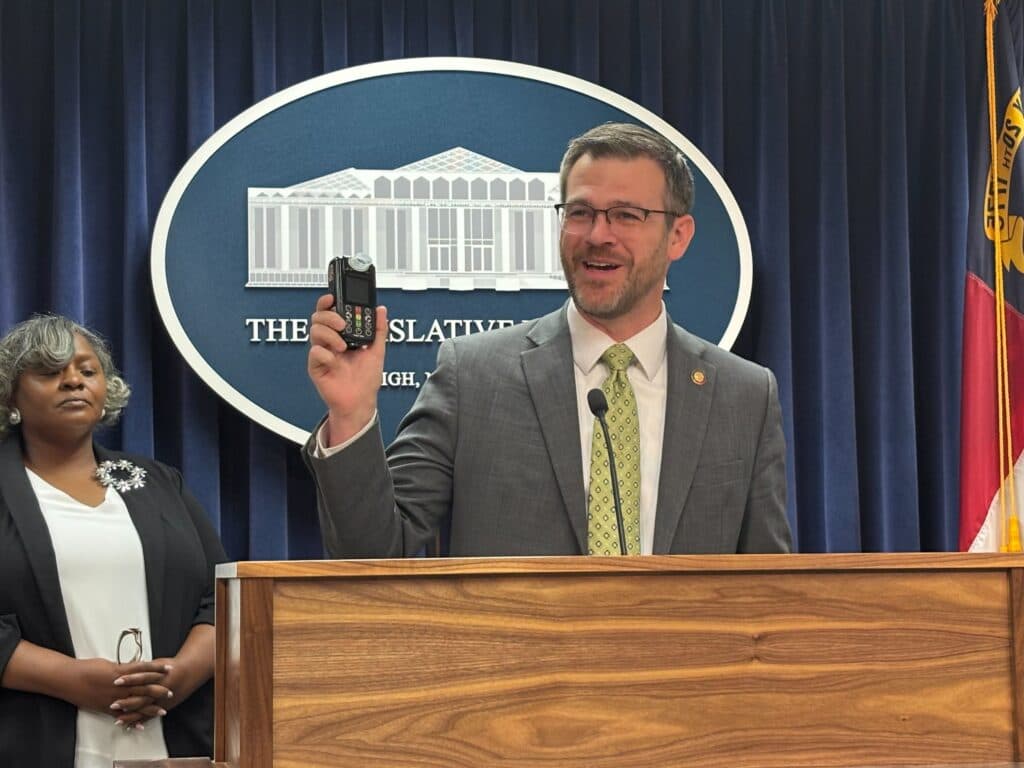
RALEIGH, NORTH CAROLINA — A North Carolina House committee voted Tuesday to advance legislation requiring all drivers convicted of driving while impaired to install ignition interlock devices, expanding current requirements that apply only to repeat offenders and highly intoxicated drivers.
House Bill 1199, known as the “Seatbelt Act,” would mandate breathalyzer locks for first-time DWI offenders in addition to existing requirements. The House Judiciary 1 Committee approved the measure after hearing testimony from safety advocates and bill sponsors.
“The purpose of the bill is to allow for the use of technology to change certain driving behaviors, primarily people who have failed to follow the law with regard to driving while impaired, or with regard to reckless driving superspeeders,” said bill sponsor Rep. Mike Schietzelt (R-Wake).
Technology Requirements for Impaired Driving
Ignition interlock devices require drivers to provide a breath sample before starting their vehicle, measuring blood alcohol content to prevent impaired driving. The technology has proven effective in North Carolina’s limited implementation over the past two decades.
“In the last 20 years, in limited use, ignition interlock devices have stopped nearly 50,000 drunk driving attempts in our state,” said Robert Dalton, North Carolina state executive director for Mothers Against Drunk Driving, who spoke in favor of the legislation.
If passed, North Carolina would join 34 other states and Washington, DC as jurisdictions requiring ignition interlock devices for all convicted drunk drivers, not just repeat or high-level offenders.
Speed Control Technology for Reckless Drivers
The bill also addresses dangerous speeding by requiring habitual reckless speeders to install “intelligent speed assistance” systems. These devices prevent vehicles from accelerating beyond posted speed limits, targeting drivers with patterns of excessive speeding violations.
Allison Simpson, a member of Families for Safe Streets, endorsed the superspeeder provisions during committee testimony. Simpson shared personal tragedy that motivates her advocacy work.
“She said her husband Matt was killed by a speeding driver in July 2022, right in front of her and her two young children while they rode bikes near their home,” according to committee testimony.
Legislative Progress and Implementation
The committee’s approval moves both the impaired driving and speeding technology requirements forward in the legislative process. The measures now advance to additional committee review before potential floor votes.
Rep. Schietzelt emphasized that ignition interlock devices have demonstrated significant safety benefits nationally. According to his presentation to the committee, these devices prevented more than 3 million attempts to drive while impaired across all states where they are implemented.
Current North Carolina law limits ignition interlock requirements to drivers with multiple DWI convictions or those whose blood alcohol content measured significantly above the legal limit at the time of arrest. The proposed expansion would capture all impaired driving convictions regardless of prior history or intoxication level.