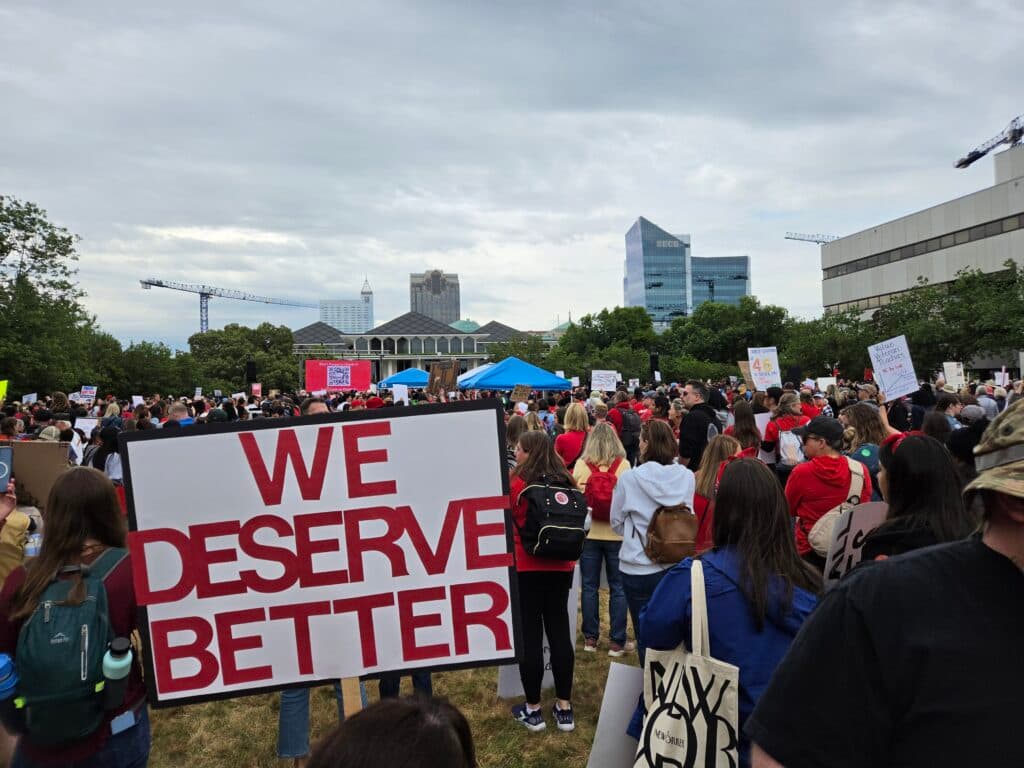
Missouri Charter Schools Question Use of 1.5% Oversight Fee Amid Instability
Charter schools across Missouri question whether the mandatory 1.5% oversight fee provides adequate support as institutions struggle with staffing, facilities, and operational challenges.

JEFFERSON CITY, MISSOURI — Charter schools across Missouri are raising concerns about how the state’s Public Charter School Commission utilizes the mandatory 1.5% funding fee collected from schools for oversight and sponsorship purposes.
The Missouri Public Charter School Commission requires charter schools statewide to surrender 1.5% of their total funding to support what officials describe as accountability, governance, compliance, and performance monitoring services. However, educators and school leaders question whether this fee structure provides adequate support for struggling institutions.
Schools Face Multiple Operational Challenges
Charter schools operating under the commission’s oversight have encountered numerous difficulties including instability, probation status, staffing crises, leadership exhaustion, facility struggles, enrollment fluctuations, and in some cases, complete operational collapse. These institutions, many serving historically underserved student populations, must manage extensive responsibilities while paying the oversight fee.
Schools are expected to handle education delivery, fundraising, family recruitment, facility maintenance, staffing shortage navigation, public scrutiny management, governance conflict resolution, and extensive compliance reporting. Critics argue this creates an unsustainable burden for institutions already facing significant operational challenges.
Oversight Without Stabilization Concerns
The current system has drawn criticism from educators, families, school founders, and community members who describe the arrangement as “oversight without stabilization.” Some characterize this approach as forcing vulnerable institutions to finance systems that document their deterioration while providing limited meaningful infrastructure to prevent such deterioration.
The commission’s fee collection continues despite widespread concerns about whether charter schools receive adequate support services in return for their mandatory contributions. Schools serving vulnerable student populations face particular pressure under this arrangement, as they must balance educational mission fulfillment with complex operational demands.
Questions About Fee Utilization
The debate centers on how the 1.5% fee translates into concrete support for charter schools facing operational difficulties. While the commission justifies the fee as necessary for regulatory oversight, school leaders and community stakeholders question whether current spending priorities address the root causes of institutional instability.
Charter school advocates argue that effective oversight should include stabilization support rather than focusing primarily on compliance monitoring and documentation. The ongoing discussion reflects broader questions about the balance between accountability measures and institutional support within Missouri’s charter school framework.
The Missouri Public Charter School Commission has not publicly detailed specific programs or services funded through the 1.5% fee structure, leaving schools and communities to question the return on their mandatory investment in oversight services.