Michigan Lawmaker Proposes Prison Diversion Program for Drug Offenses
Rep. Sarah Lightner’s House Bill 5453 would create prison alternatives for drug crimes, with law enforcement backing the approach to break re-arrest cycles.

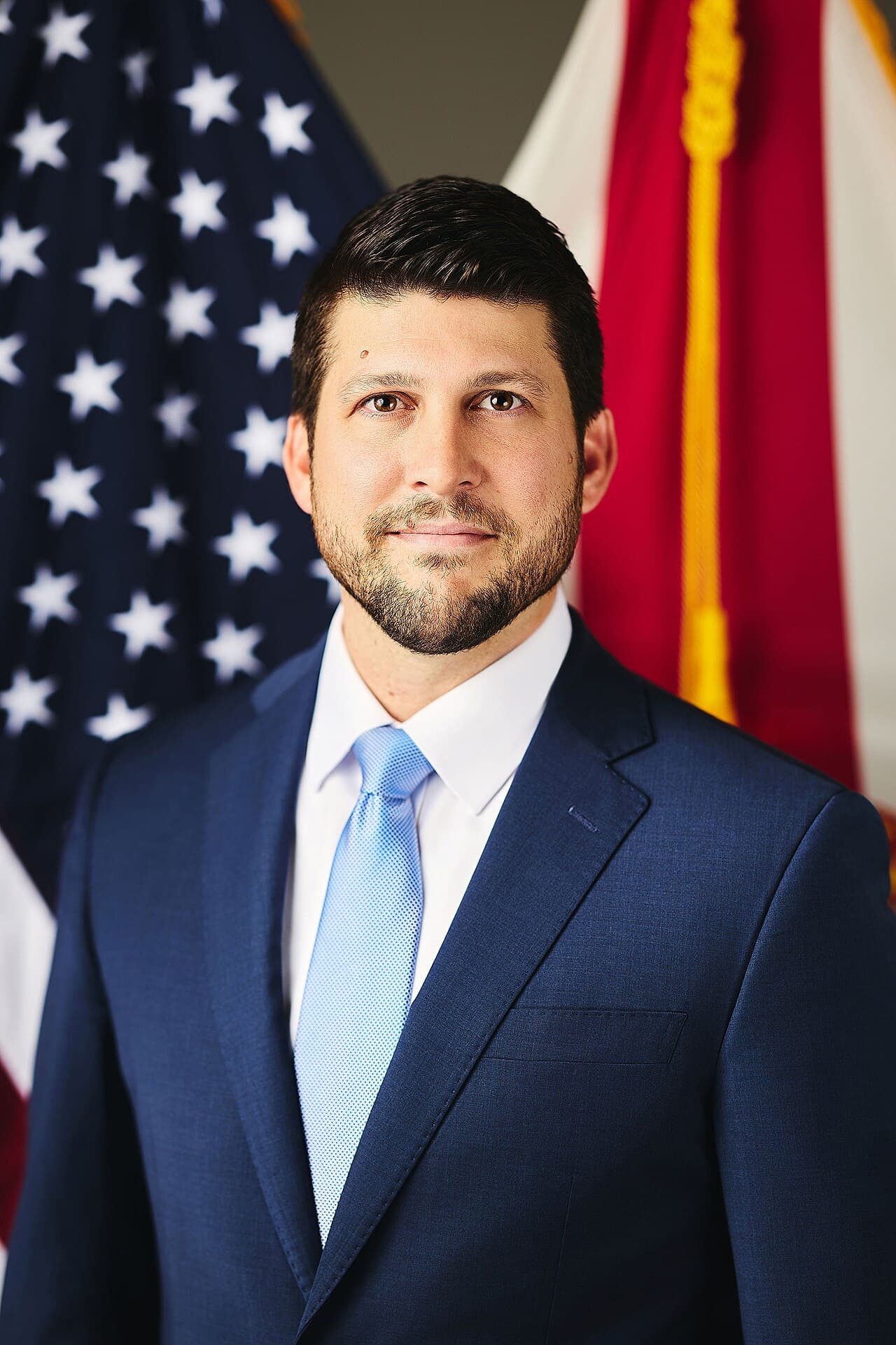
LANSING, MICHIGAN — A Michigan House Republican has introduced legislation to address drug-related arrests by establishing a prison diversion program for individuals suspected of drug crimes.
Rep. Sarah Lightner (R-Springport) proposed House Bill 5453, which would create alternatives to incarceration for those facing drug-related charges. The measure received support from advocates and law enforcement officials during testimony before the House Judiciary Committee on Wednesday.
Breaking the Cycle of Re-arrests
Dunya Kilano, director of operations for Face Addiction Now, testified in favor of the legislation, highlighting its potential to address underlying issues while maintaining public safety.
“Many communities want alternatives that improve outcomes while maintaining public safety. House Bill 5453 provides a pathway towards that,” Kilano said. “This is not avoiding consequences. This is about investing resources and approaches that address the underlying issue and reduce the likelihood that some will turn to the criminal justice system again and again, from both a public safety and a fiscal perspective.”
The proposal has drawn support from law enforcement officials who have witnessed firsthand the revolving door of drug-related arrests and prosecutions.
Law Enforcement Perspective
Mario Bastianelli, a recently retired captain for the Sterling Heights Police Department, told committee members that traditional approaches to drug offenses have proven insufficient in addressing repeat offenses.
“Over time many of us in law enforcement began to recognize a difficult reality. We were encountering the same individuals over and over again, and we would arrest someone in low-level narcotics offenses,” Bastianelli said. “They would move through the criminal justice system, then we would encounter them again and again, basically continuing a cycle that we never actually had the tools to be able to provide and help people that were suffering from substance use disorder, as well as mental health challenges. You have homelessness, lack of treatment, and lack of support.”
Bastianelli emphasized that the proposed program would not reduce accountability for offenders but instead focus on making communities safer by addressing root causes of drug-related crime.
Addressing Underlying Issues
The legislation reflects a growing recognition among policymakers and law enforcement that traditional prosecution methods alone have not effectively reduced drug-related recidivism. Supporters argue that diversion programs can provide more effective interventions while reducing costs associated with repeated incarcerations.
The bill would establish structured alternatives to prison for individuals charged with drug offenses, potentially including treatment programs, counseling services, and support systems designed to address substance abuse disorders and related challenges such as mental health issues and homelessness.
House Bill 5453 represents part of a broader conversation about criminal justice reform in Michigan, as lawmakers and advocates seek evidence-based approaches to reducing crime while supporting rehabilitation and community safety.