Michigan Governor Meets with Blackstone Executives at Controversial Saline Data Center
Private equity giant Blackstone is financing 90% of the controversial Stargate data center project that Governor Whitmer recently visited in Saline.

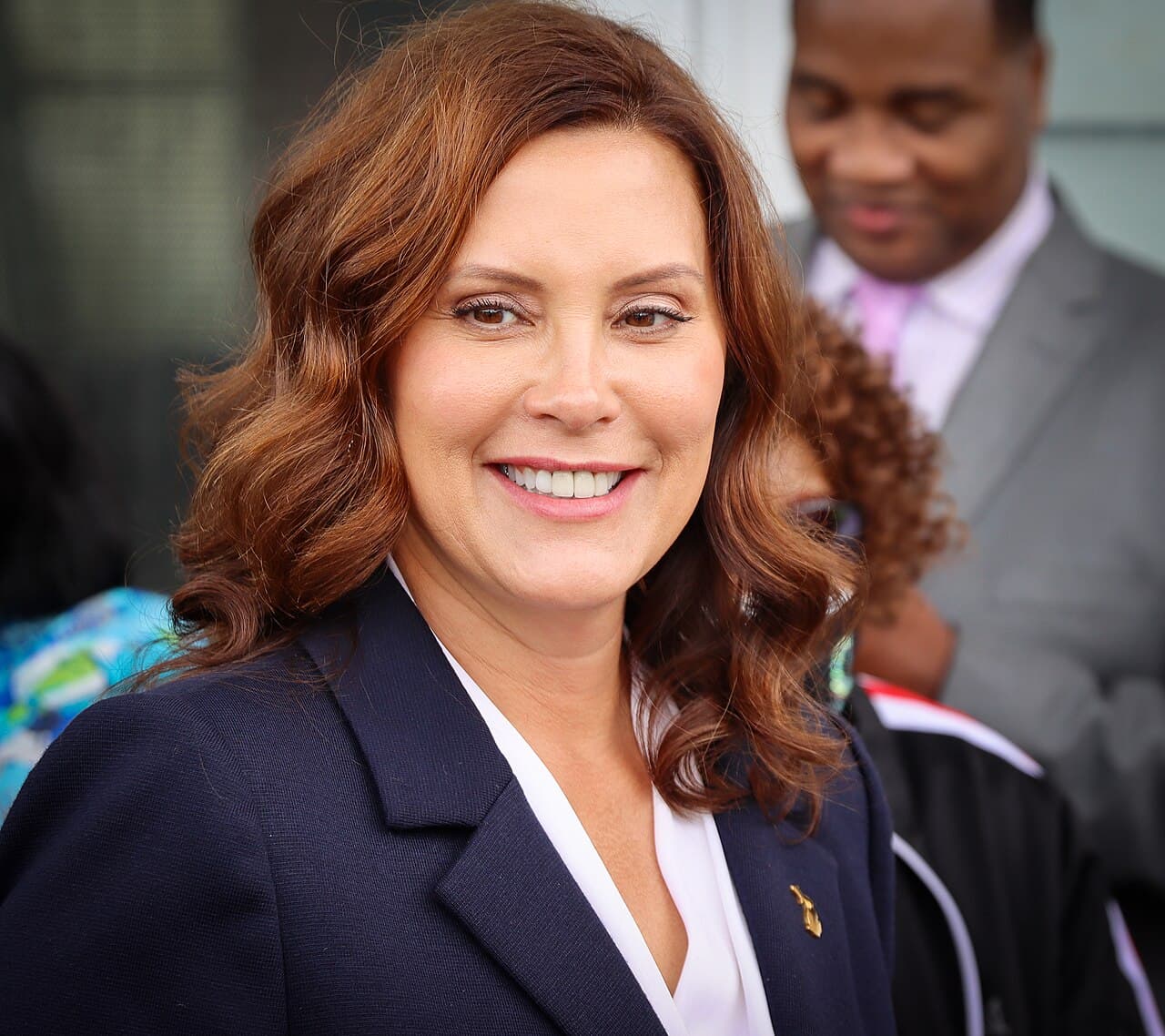
SALINE, MICHIGAN — Governor Gretchen Whitmer joined executives from OpenAI, Oracle, and Blackstone earlier this month for a gathering at the controversial Stargate data center site in Saline, as scrutiny intensifies over the project’s main financial backer.
While public attention has largely centered on OpenAI and Oracle’s involvement in the development, Blackstone is financing roughly 90 percent of the project, according to officials familiar with the arrangement. The private equity firm manages over $1.3 trillion in assets globally, making it the world’s largest alternative asset manager.
Data Center Draws Local Opposition
The proposed 1,000-acre data center has faced criticism from local residents concerned about farmland destruction, environmental impacts, and utility demands. Once completed, the facility would become the largest electricity user in Michigan, according to environmental groups tracking the project.
Residents have organized opposition efforts questioning whether Michigan should dedicate significant land, water, electricity, and tax incentives to the development. The Stop Saline Data Center organization has emerged as a leading voice against the project.
Blackstone’s Michigan Footprint
Blackstone’s investment portfolio includes several Michigan operations and businesses. The firm’s current and past investments include Vanguard Health Systems, the former owner of Detroit Medical Center, fast-food chain Jersey Mike’s, and student housing properties in Ann Arbor.
The company’s involvement in the Saline project represents its latest investment in Michigan infrastructure, as demand for data centers continues growing nationwide. Private equity firms have increasingly targeted technology infrastructure projects as artificial intelligence applications drive server capacity needs.
Environmental and Utility Concerns
Attorney General Dana Nessel previously joined Ann Arbor area lawmakers and environmentalists in demanding greater scrutiny of DTE Energy’s arrangements with the data center project. The facility’s electricity demands have raised questions about grid capacity and energy costs for other Michigan residents.
Water usage requirements for the data center’s cooling systems have also drawn environmental group attention, particularly given the facility’s location in an agricultural area. The project would convert farmland that has been in agricultural use for generations.
State officials have not yet disclosed the full scope of tax incentives being offered to attract the project, though economic development agencies typically provide substantial packages for major technology investments. The project’s supporters argue it will create construction jobs and ongoing technical positions while establishing Michigan as a leader in artificial intelligence infrastructure.