High-Potency Cannabis Products Spark State Debates Over Mental Health Risks
States debate stricter THC limits as research links high-potency cannabis to increased risks of psychosis and addiction, particularly among young adults.

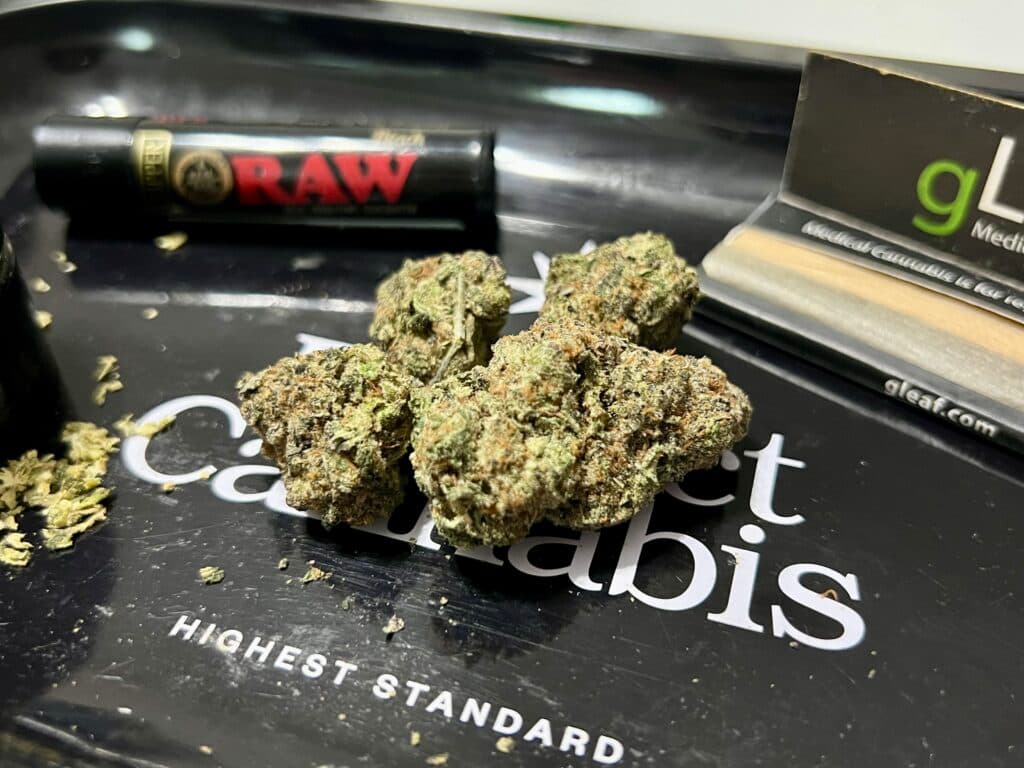
ATLANTA, GEORGIA — States across the nation are addressing new concerns about the mental health risks of high-potency cannabis products as lawmakers debate stricter THC limits and regulatory measures.
Research indicates that frequent use of high-THC cannabis increases the risk of cannabis use disorder, psychosis, and other mental health problems, particularly among adolescents and young adults. These findings have prompted legislative action in several states this year, though industry opposition and uncertainty over research conclusions have led others to scale back or reject proposed measures.
Personal Stories Drive Legislative Concern
The debate has intensified as families share experiences with cannabis-related mental health issues. Amy Wadsworth, a Connecticut mother, described how her son’s life changed dramatically after he began using cannabis during his freshman year at American University in Washington, D.C., in 2018.
“He played sports, cared about his health and stayed away from drugs,” Wadsworth said of her son as a teenager. Initially using cannabis to cope with social anxiety and as a sleep aid, her son soon began calling home in the middle of the night, terrified and disoriented.
Over several years, his behavior became increasingly erratic with psychotic episodes, leading to a diagnosis of severe cannabis use disorder — a condition where marijuana use becomes difficult to control and interferes with daily life. Now 25, Wadsworth’s son has spent much of the past several years cycling through hospitals and treatment programs nationwide.
Dramatic Increase in THC Potency
The potency of legal cannabis products has increased significantly compared to earlier decades. While cannabis flower once commonly contained THC levels in the single digits, many products sold legally today contain 15% to 20% THC or more. Concentrates such as waxes, oils, and shatter can exceed 80% THC.
According to the Substance Abuse and Mental Health Services Administration, about 15% of Americans ages 12 and older reported using marijuana in the past month in 2024. The widespread availability of high-potency products has raised questions about appropriate regulatory frameworks.
State Legislative Responses Vary
Lawmakers in multiple states have introduced legislation this year to impose stricter THC limits on certain cannabis products. However, the response has been mixed, with some states moving forward with restrictions while others have pulled back from proposed measures.
Industry groups have opposed many of the proposed potency caps, citing concerns about market impacts and questioning the conclusiveness of current research. The ongoing scientific debate about the exact relationship between high-potency cannabis and mental health outcomes has complicated legislative efforts.
“It’s definitely changed the trajectory of his life,” Wadsworth said of her son’s experience. “It did nothing but harm him, literally harm every facet of his life — every facet, physical, mental, everything.”
The state-level debates reflect broader questions about balancing public health concerns with individual choice and industry interests as legal cannabis markets continue to evolve across the country.