Beach Hazards Warning Issued for Multiple Michigan Counties Due to Dangerous Waves
National Weather Service warns of 3-5 foot waves and dangerous rip currents creating hazardous swimming conditions across multiple Michigan counties.

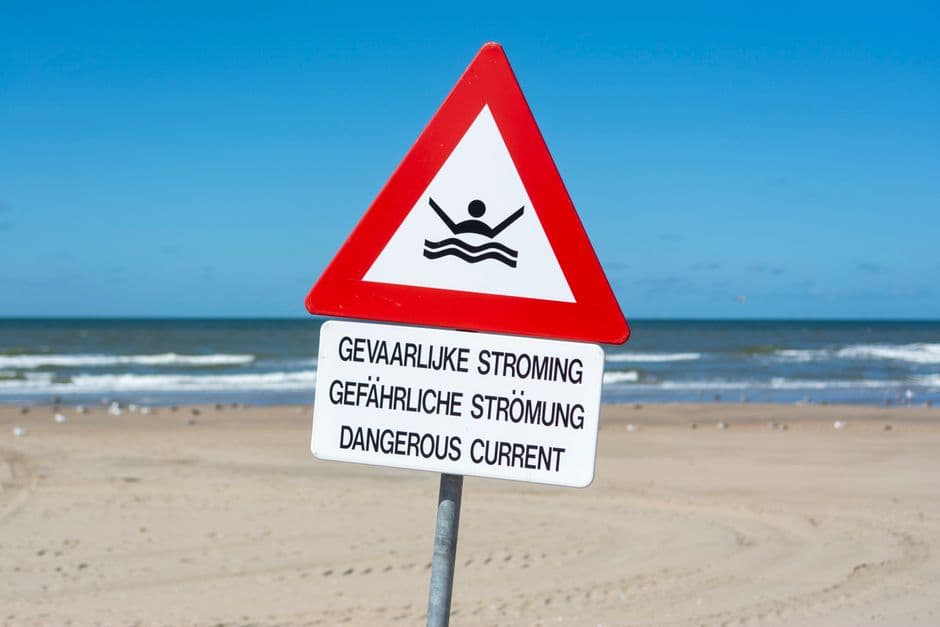
GAYLORD, MICHIGAN — The National Weather Service issued beach hazards statements for multiple Michigan counties on Wednesday morning, warning of dangerous swimming conditions caused by high waves and strong rip currents along Lake Michigan and Lake Huron shorelines.
The most extensive warning covers Benzie, Manistee and Southeast Chippewa Counties, where 3-5 foot waves and rip currents create hazardous conditions through Wednesday evening, according to the National Weather Service office in Gaylord. The statement was issued at 3:38 a.m. EDT and remains in effect until midnight Wednesday.
A separate warning for Huron County was issued by the National Weather Service Detroit/Pontiac office at 3:34 a.m. EDT, citing high wave action and strong currents that create dangerous swimming conditions. This alert expires at noon Wednesday.
Cold Water Adds to Danger
Weather officials warn that strong currents can pull swimmers into deeper water, while high waves can sweep people off piers and docks. The National Weather Service noted concerns about cold water temperatures that could lead to hypothermia if anyone enters the water unprepared or accidentally falls in.
In Huron County, officials specifically warned that strong currents can pull swimmers into deep water and prevent their return to shore. The high swim risk conditions are expected to persist through the morning hours.
Safety Recommendations
Beach hazards statements are issued when weather conditions create potentially dangerous situations for beachgoers and swimmers. The National Weather Service advises people to stay out of the water during these conditions and to exercise extreme caution near shorelines, piers, and breakwalls.
The warnings affect popular recreational areas along Michigan’s western and eastern shores, where summer activities typically draw large crowds during warm weather periods. Local emergency management officials encourage residents and visitors to monitor weather conditions and heed all safety warnings.