Air Quality Alert Issued for Atlanta as Ozone Levels Expected to Rise
Georgia environmental officials warn Atlanta residents to limit outdoor activities Friday as ozone levels reach unhealthy thresholds for sensitive groups.


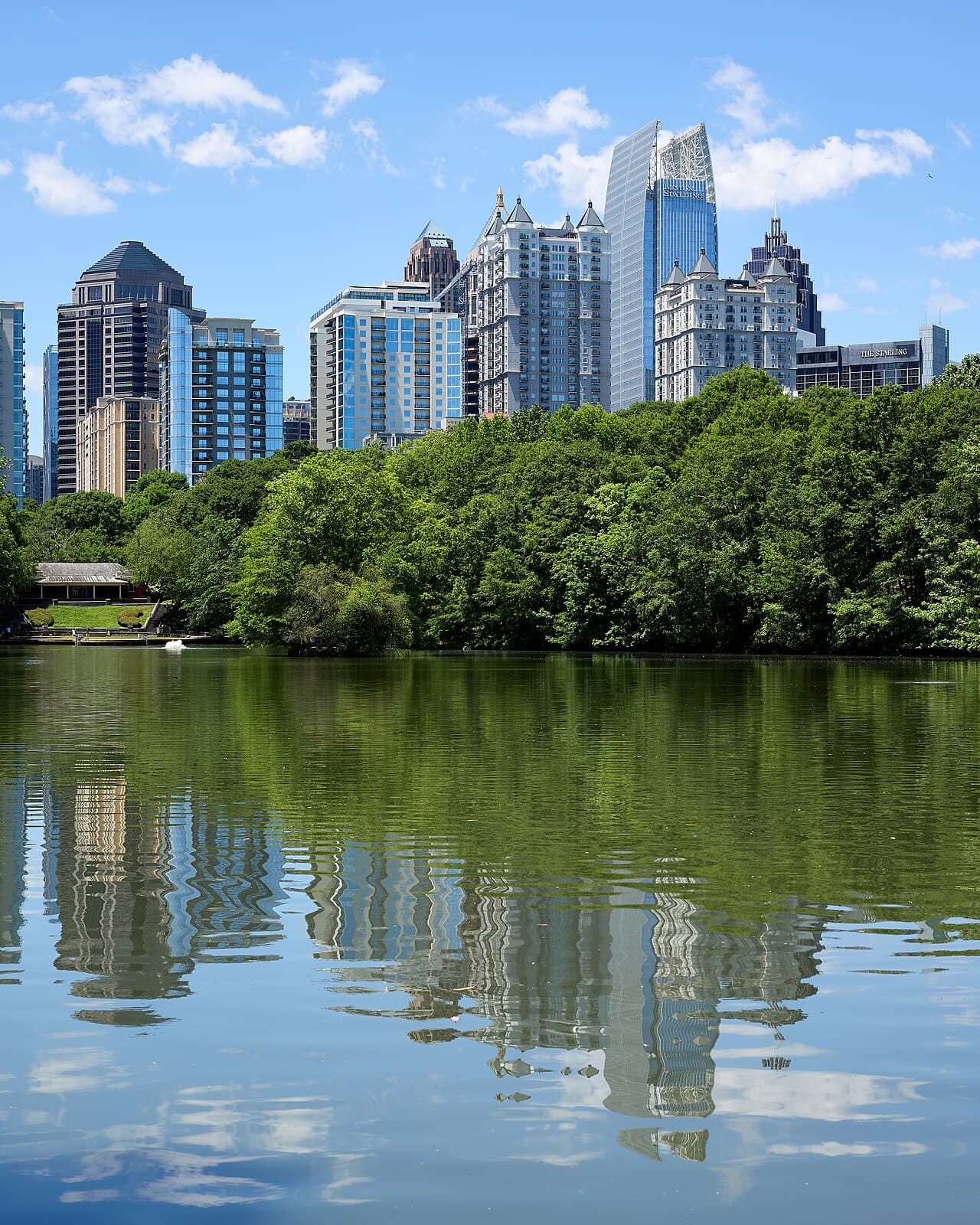
ATLANTA, GEORGIA — The Georgia Department of Natural Resources Environmental Protection Division has issued a Code Orange Air Quality Alert for Atlanta effective Friday, June 5, warning residents that outdoor air quality will likely be unhealthy for sensitive individuals.
The National Weather Service Peachtree City office issued the alert at 4:35 p.m. Thursday, designating Code Orange conditions as “Unhealthy for sensitive groups” on the Air Quality Index scale.
Health Recommendations for Vulnerable Populations
Under Code Orange conditions, children, people sensitive to ozone, and individuals with heart or lung disease should limit prolonged outdoor activities during late afternoon and early evening hours when ozone concentrations typically reach their peak levels.
The alert specifically targets the timeframe when ground-level ozone poses the greatest health risks to vulnerable populations in the metro Atlanta area.
Understanding Air Quality Classifications
Code Orange represents the third level on the Air Quality Index, indicating that air pollution may cause health concerns for sensitive groups while generally posing less risk to the broader public.
The Georgia Environmental Protection Division monitors air quality conditions throughout the state and issues alerts when pollution levels are forecast to reach unhealthy thresholds for certain populations.
Additional Resources Available
Residents can access detailed information about the Air Quality Index and current conditions by visiting airnow.gov, which provides real-time air quality data and health guidance.
The website offers resources for understanding air quality measurements and recommendations for protecting health during periods of elevated pollution.
Friday’s alert affects the greater Atlanta metropolitan area, where millions of residents may need to adjust outdoor activities based on their individual health conditions and sensitivity to air pollution.