Winter Cold Snap Drives Surge in Energy Assistance Requests Across NC
North Carolina families are seeking record levels of utility assistance after this winter’s brutal cold snap drove energy bills higher, straining budgets already stretched thin.

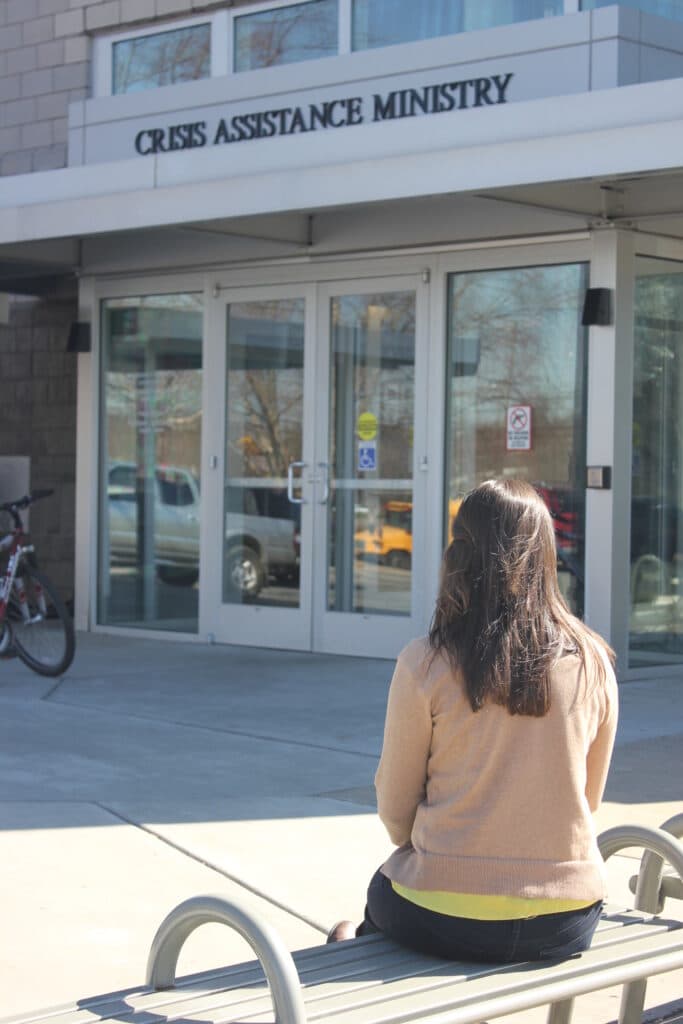
CHARLOTTE, NORTH CAROLINA — A brutal cold snap that gripped North Carolina this past winter has led to a significant increase in requests for utility assistance as families struggle with higher energy bills and mounting financial pressures.
Carol Hardison, CEO of Crisis Assistance Ministry in Charlotte, reported that 3,269 households sought help with utilities during what she calls the “spring spike” in 2025, with the average assistance request reaching $514. The nonprofit braced for an even larger surge this year following the extended freezing temperatures in January and February.
“When the utility bill goes up and spikes, they come to us because there’s not that kind of room in a budget that’s paycheck-to-paycheck with the high cost of living here,” Hardison said. “People think about having to pay rent, put food on the table, and sometimes utilities have to be sacrificed.”
Donors Respond to Crisis
The severity of this winter’s cold snap became apparent when longtime donors began calling the Charlotte nonprofit after seeing spikes in their own utility bills. Many wanted to know how they could help families who would be hit even harder by the increased costs.
“The donors knew they could absorb the spike, but they started thinking about the people here,” Hardison said.
While gas and electric bills typically increase during winter months, the biggest surge in assistance requests usually doesn’t arrive until spring, according to Hardison. Families often delay seeking help until they face disconnection notices.
Broader Affordability Crisis
The Crisis Assistance Ministry, which provides emergency assistance to families facing financial crises, represents just one organization among many across North Carolina experiencing increased demand for financial help. The requests come amid a widening affordability crisis affecting households statewide.
Near-record gas prices, higher food costs, elevated home energy expenses, and stagnant wages are stretching many household budgets beyond their limits. The January and February cold snap that brought sustained freezing temperatures only compounded these financial pressures.
“Sometimes it’s late and then sometimes they’re close to getting cut off,” Hardison said, describing when families typically seek assistance with their utility bills.
The nonprofit and similar organizations across the state are working to meet the growing demand for emergency financial assistance as families navigate the challenging economic situation. The combination of seasonal energy costs and broader inflation has created a perfect storm for households already living paycheck to paycheck.