Progressive Candidates Seek to Bridge Racial Divide in Michigan Senate Races
Two progressive candidates for adjacent Michigan Senate seats are working to unite historically divided Black and Arab-American communities in the Detroit area.

DEARBORN, MICHIGAN — Two progressive candidates running for adjacent Michigan Senate seats are working to unite Black and Arab-American communities that have been historically divided by geographic and racial lines in the Detroit metropolitan area.
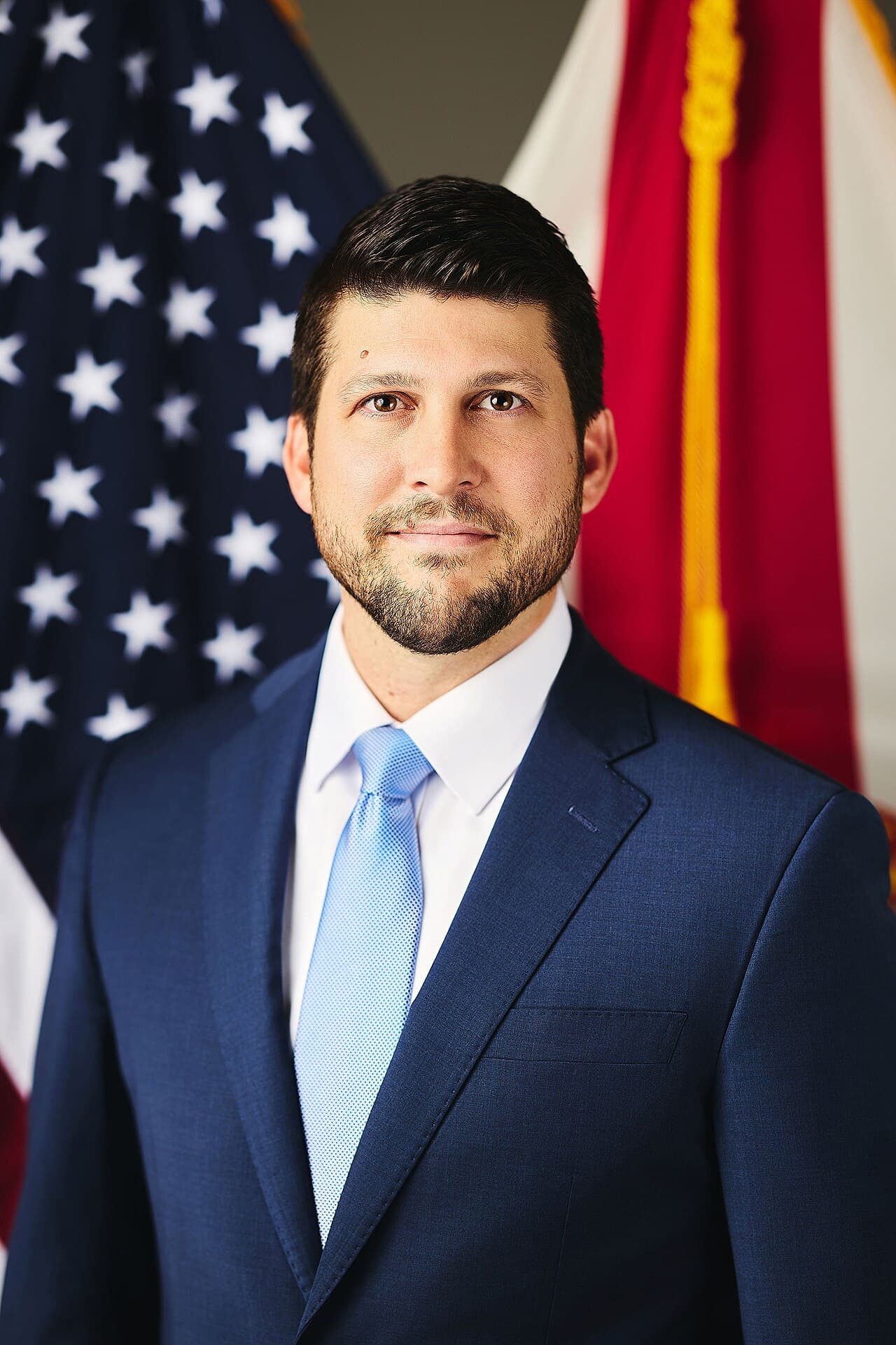
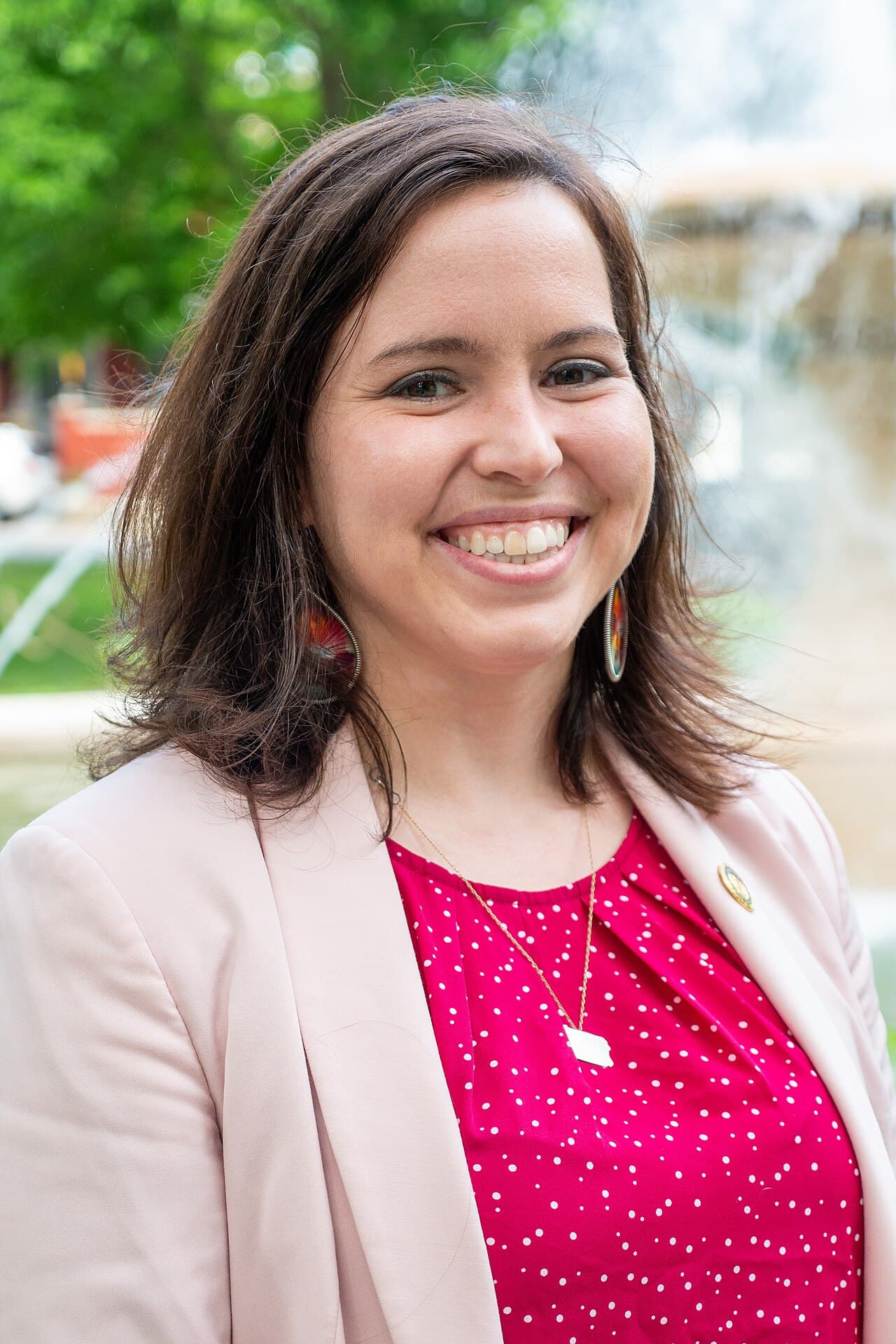
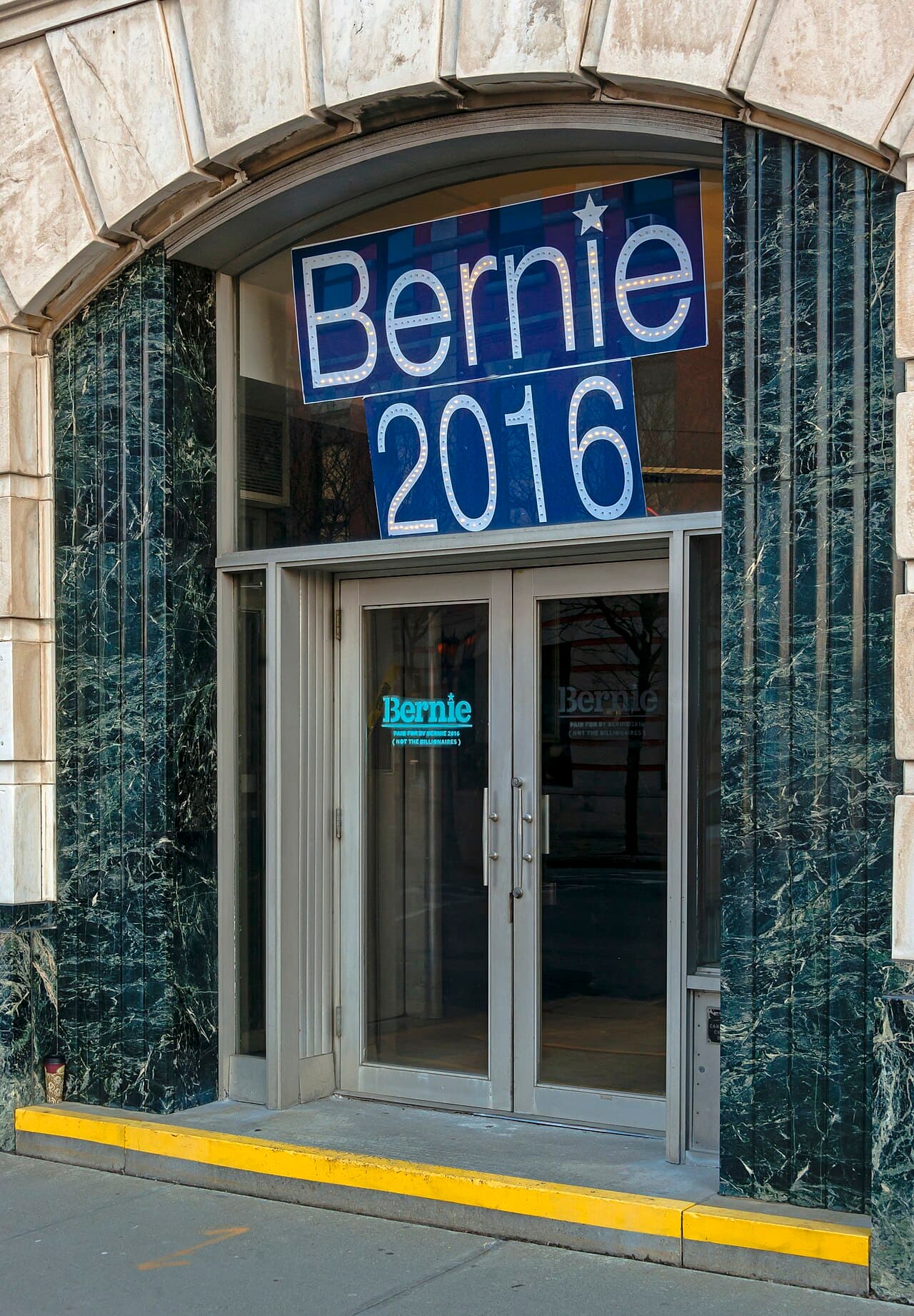
Abbas Alawieh, running for Michigan’s 2nd Senate District, and Eboni Taylor, seeking the neighboring 3rd District seat, both received endorsements from U.S. Senator Bernie Sanders this week as they campaign on a shared platform of economic populism aimed at working-class voters across racial lines.
The collaboration represents a departure from decades of separation between the largely Arab-American community in Dearborn and the predominantly Black neighborhoods in adjacent Detroit areas.
Overcoming Historical Divisions
Alawieh, who grew up in Dearborn, described how Tireman Road served as both a geographic and racial boundary during his childhood. The road separated his largely Arab-American neighborhood on the west side from Black communities to the east.
“It was classic segregation and not only was there little interaction between the two communities,” Alawieh said. He recalled being told “do not go to the other side” because it was considered “dangerous.”
When Alawieh eventually crossed that divide as he got older, he discovered similarities rather than differences. “Hey this looks a lot like my neighborhood,” he said of his first visit to the other side of Tireman Road.
Shared Economic Vision
Both candidates emphasize that their largely working-class constituencies face similar economic challenges despite cultural differences. “The largely working class communities have much more in common than we do differences,” Alawieh stated.
The Sanders endorsement underscores their progressive economic agenda, which both candidates say transcends racial and ethnic boundaries in their districts.
“It feels like there’s so much room for us to co-strategize and build the political power of a working class that is necessarily multiracial,” Alawieh explained. “I see in our campaigns a real opportunity to model a kind of relationship that is about reaching for one another instead of feeding into the divides that are separating our communities.”
Coalition Building Strategy
The joint campaign effort reflects a broader strategy to build political coalitions across traditional demographic divisions in Michigan politics. Both candidates are positioning themselves as representatives of working-class interests rather than focusing primarily on ethnic or racial identity politics.
Taylor and Alawieh have appeared together at campaign events alongside other progressive candidates, including Washtenaw County Commissioner Yousef Rabhi, who is running for Ann Arbor mayor, and Washtenaw County Prosecutor Eli Savit, who is seeking to become Michigan’s next attorney general.
The 2nd and 3rd Senate Districts encompass areas with significant Arab-American and Black populations, making the cross-community appeal potentially significant for both candidates’ electoral prospects. Their coordinated approach represents an attempt to build lasting political bridges between communities that have often remained separate despite geographic proximity.