Petitioners for Failed Ohio Cannabis Referendum Report Unpaid Wages
Petition collectors say they weren’t paid for gathering signatures to challenge Ohio’s cannabis law changes, highlighting campaign finance struggles.

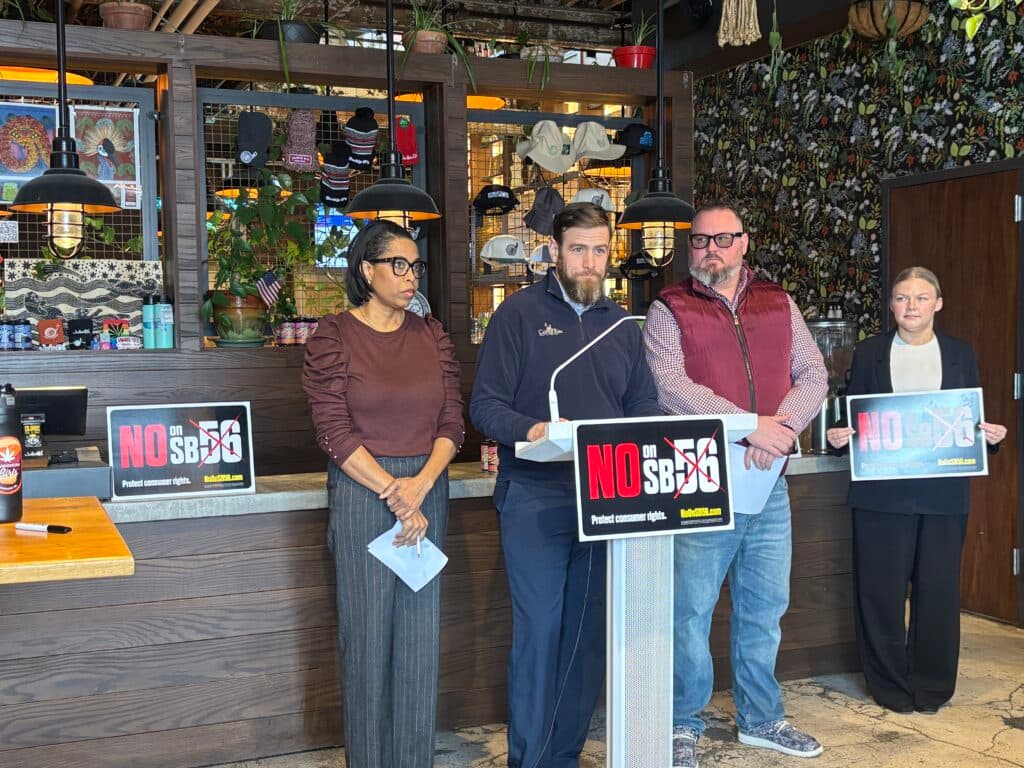
COLUMBUS, OHIO — Several petition collectors for Ohio’s failed cannabis referendum report they never received payment or were only partially compensated for gathering signatures to challenge the state’s hemp and marijuana law overhaul.
Lisa Flagella and Amanda Ward, along with several other petitioners, state they were not paid for signatures collected for the Ohio Senate Bill 56 referendum effort, according to campaign organizers. Thomas Miller and Pat Manning said they received only partial payment for their work.
The referendum aimed to overturn legislative changes to Ohio’s adult-use marijuana law that voters approved in 2023. However, organizers did not collect enough signatures within the required timeframe to place the measure on the November ballot.
Campaign Suspended Paid Collections
Dennis Williard, campaign spokesperson for Ohioans for Cannabis Choice, acknowledged the payment issues in an email statement. “We made the decision at one point in the campaign to suspend paid signature collection as we assessed how many signatures we had collected at that point because we did have a large grassroots movement of unpaid volunteers collecting signatures,” Williard said.
The campaign had garnered support from more than 5,000 people and businesses who pledged to sign, collect, or host locations for petition signatures, according to Williard.
Failed Referendum Would Have Challenged New Law
If successful, the referendum would have given voters an opportunity to overturn legislation that took effect on March 20. The new law significantly modified Ohio’s voter-approved recreational marijuana framework and banned intoxicating hemp products and THC and CBD beverages.
The original marijuana legalization measure passed by Ohio voters in 2023 established the framework for adult-use cannabis in the state. Senate Bill 56 represented lawmakers’ attempt to modify key provisions of that voter-approved initiative.
Campaign organizers had hoped to mobilize opposition to the legislative changes through the referendum process, which allows citizens to challenge laws passed by the General Assembly. The effort required collecting a specific number of valid signatures from registered Ohio voters within a limited timeframe.
Signature Collection Challenges
The failed payment to petition collectors highlights ongoing challenges faced by grassroots political campaigns in Ohio. Signature collection for ballot initiatives and referendums typically relies on a combination of paid workers and volunteer efforts.
Ohioans for Cannabis Choice’s decision to suspend paid collections suggests the campaign faced financial constraints while attempting to meet signature requirements. The organization’s reliance on volunteer collectors ultimately proved insufficient to reach the ballot threshold.
The unpaid petitioners now face the prospect of seeking compensation through other means, though campaign finance laws provide limited recourse for collection workers in failed political efforts. The situation underscores the financial risks involved in petition-based political campaigns.