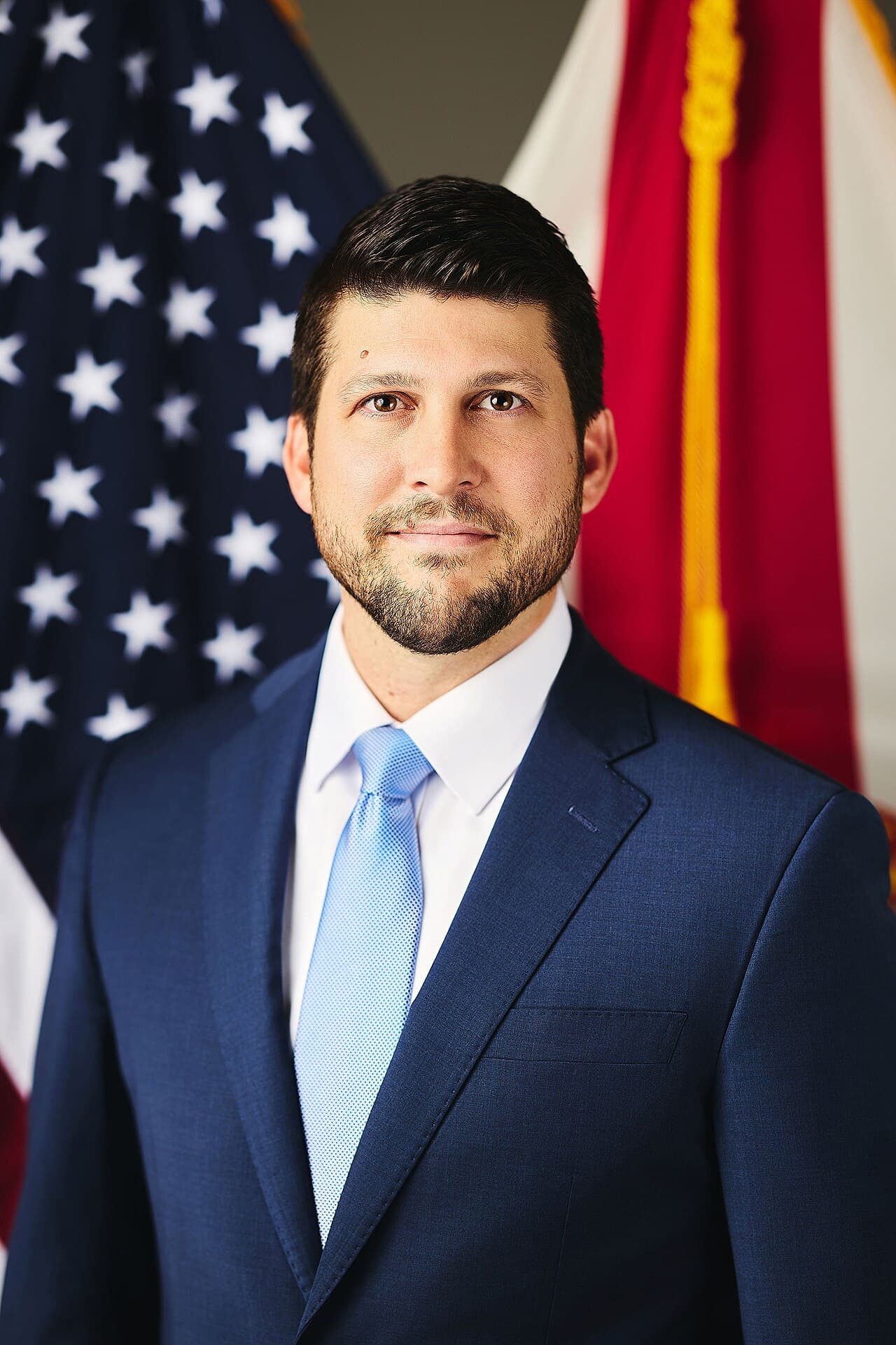
Ohio Lawmaker Introduces Bill to Modernize State Government Services
Rep. David Thomas’s new legislation would create oversight structure to streamline everything from unemployment benefits to business licensing across Ohio agencies.

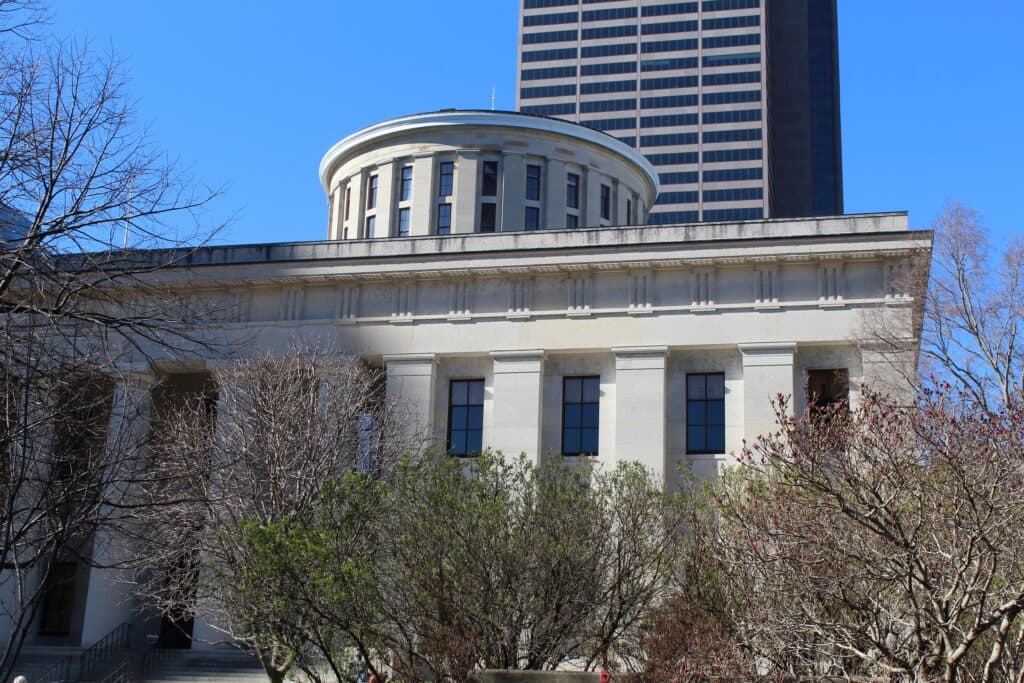
COLUMBUS, OHIO — State Rep. David Thomas has introduced legislation to reform how Ohio delivers government services, proposing new oversight structures to improve areas such as unemployment benefits and professional licensing.
Ohio House Bill 834, introduced last month, would establish a new framework under the Ohio Department of Administrative Services to enhance service delivery across state agencies. State officials recognize that bureaucratic inefficiencies can create barriers for businesses, job seekers, and families seeking assistance.
New Oversight Structure Proposed
Under Thomas’s proposal, the Director of Administrative Services would appoint an executive to lead service delivery improvements statewide. This official would identify “high-impact” services and prepare annual reports to the governor and legislative leaders on Ohio’s service delivery performance.
The legislation would require this lead official to develop service quality standards and collect both quantitative and qualitative data on how agencies serve residents. Each state agency would then designate their own service delivery officials and create implementation plans to meet the established standards.
Economic Impact of Service Delivery
State government services affect multiple aspects of Ohio’s economy, from unemployment insurance for displaced workers to professional licensing and business registration. The bill addresses concerns that cumbersome systems can harm economic activity and family stability.
When residents lose employment, delays in accessing unemployment benefits can undermine their ability to support families while searching for new jobs. Professional licensing systems that are difficult to navigate can particularly impact younger workers and immigrants trying to enter new industries.
Addressing Bureaucratic Barriers
The proposed reforms target bureaucratic obstacles that affect both businesses launching new ventures and low-income households seeking assistance programs. Thomas’s bill aims to streamline processes across agencies that handle environmental permits, health clearances, professional licenses, and family benefits.
The legislation reflects growing recognition that government service delivery affects economic competitiveness. Efficient systems can help businesses start faster and ensure families receive needed support without unnecessary delays.
The bill currently awaits committee assignment in the Ohio House of Representatives. If passed, the new oversight structure would begin operating under the Department of Administrative Services, with the first annual report due to state leadership within a year of implementation.