Ohio Among States Scaling Back Immigrant Healthcare Coverage Due to Budget Pressures
Six states and D.C. cut back immigrant healthcare programs as federal Medicaid funding drops and Obamacare subsidies expire.

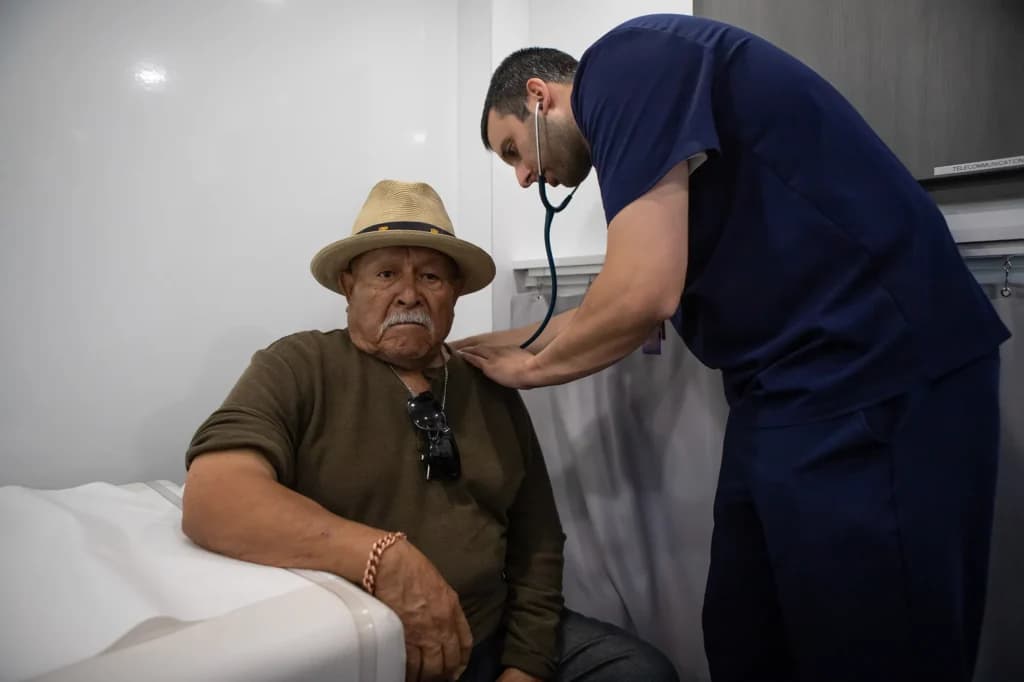
COLUMBUS, OHIO — Budget constraints are forcing states across the nation to reduce healthcare coverage for noncitizens as they struggle with federal Medicaid cuts and the end of federal subsidies that previously helped people purchase health insurance plans under the Affordable Care Act.
Six states — California, Colorado, Illinois, New York, Oregon and Washington — plus the District of Columbia were spending state dollars as of last month to cover some income-eligible noncitizen adults regardless of their immigration status. However, these programs face significant pressure as states grapple with reduced federal funding.
Federal Law Restrictions Drive State Programs
Under federal law, immigrants who are in the country illegally are not eligible for federally funded health coverage. This restriction has led states to create their own programs using state funds to fill coverage gaps.
Currently, 14 states plus the District of Columbia provide state-funded coverage to noncitizen children regardless of their legal status. Three states — Colorado, New Jersey and Vermont — extend coverage to pregnant women regardless of their immigration status.
Federal Changes Impact Coverage Options
The sweeping tax and spending bill President Donald Trump signed into law last summer significantly reduced federal spending on Medicaid, the joint federal-state health insurance program for low-income people. The legislation also established new eligibility restrictions on lawfully present immigrants, including refugees and asylees, who are enrolled in government-subsidized health programs.
These restrictions affect multiple programs, including Medicaid, the Children’s Health Insurance Program known as CHIP, Medicare and other federal health initiatives. The changes have created additional financial pressure on states that previously relied on federal support to maintain coverage levels.
Medicaid Options Still Available
Despite the federal cuts, 40 states have maintained options within Medicaid and CHIP to provide coverage to lawfully present children and pregnant women who are not citizens. These programs serve immigrants who have legal status but have not yet become citizens.
The current situation reflects a broader tension between federal immigration policy and state-level efforts to provide healthcare access. States that have historically used their own funds to expand coverage beyond federal requirements now face difficult decisions about maintaining these programs amid tightening budgets.
The scaling back of these programs comes as healthcare costs continue to rise and states face competing budget priorities. The impact on immigrant communities and healthcare providers who serve them remains a significant concern as these coverage reductions take effect.