NC Lawmaker Warns Property Tax Plan Could Worsen School Funding Crisis
Wake County Rep. Phil Rubin warns that proposed property tax changes could worsen public school funding as NC finally moves toward ending its year-long budget delay.

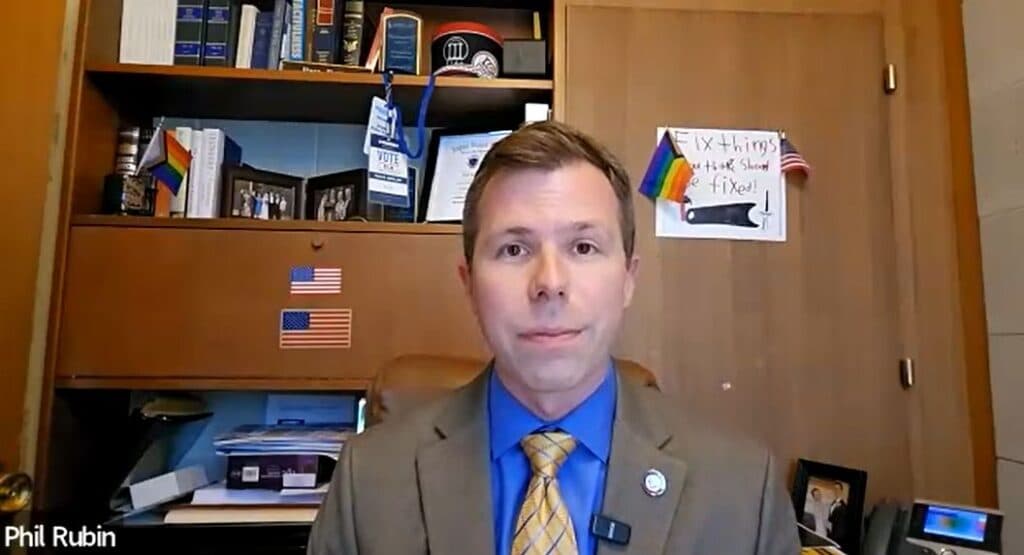
RALEIGH, NORTH CAROLINA — Wake County State Rep. Phil Rubin is raising concerns about a proposed property tax scheme that he says could exacerbate North Carolina’s public school funding problems as Republican legislative leaders prepare to finalize a long-delayed state budget.
North Carolina remains the only state in the nation without a budget for the current fiscal year after a year-long delay. Republican state legislative leaders are expected to soon give final approval to a comprehensive budget plan and send it to Gov. Josh Stein.
Education Funding Remains Contentious Issue
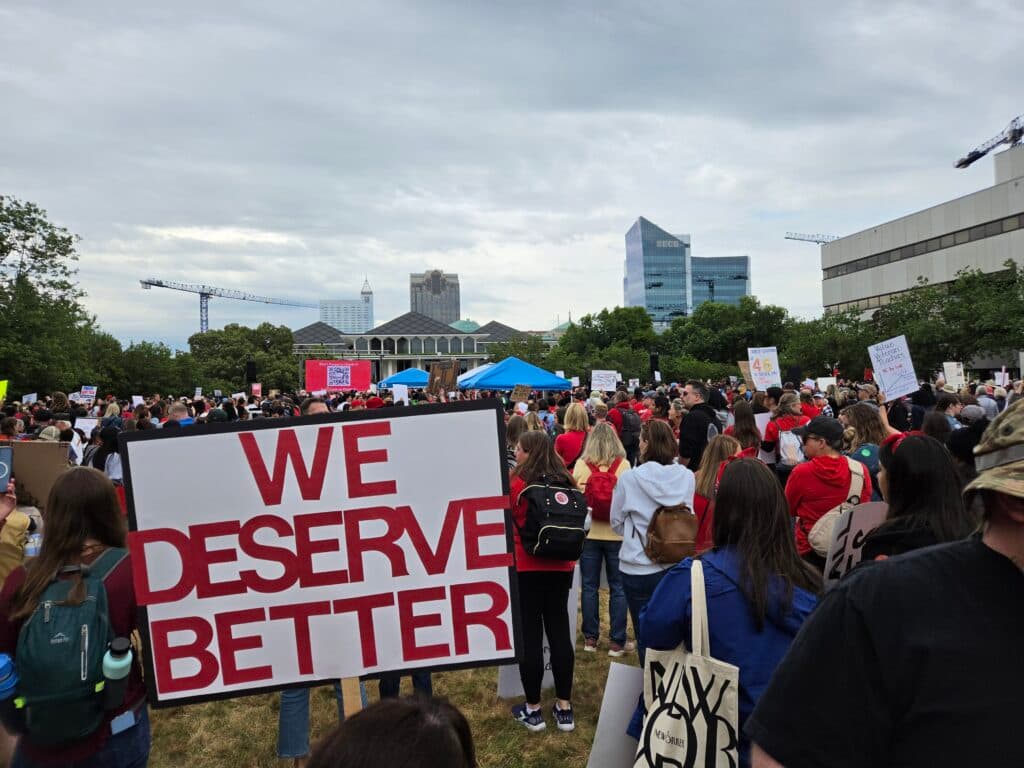
Public education funding continues to be one of the most debated items in the budget negotiations. While teachers are set to receive raises that Rubin described as “long overdue but still modest,” he told NC Newsline that the budget plan fails to address fundamental problems with the state’s education funding priorities.
According to Rubin, the budget continues to favor what he called “unaccountable private voucher schools” at the expense of public schools. The Wake County representative warned that additional proposed changes to county property tax policies could compound existing funding challenges.
Property Tax Changes Could Worsen Problems
The new property tax proposal would impose what Rubin characterized as a “one-size-fits-all scheme” on county property taxes. The representative expressed concern that this approach could make funding problems for public schools even worse across the state.
Rubin’s comments highlight ongoing tensions over education policy in North Carolina, where funding for public schools has been a persistent source of political debate. The state has faced criticism for its education spending levels and teacher compensation compared to neighboring states.
Budget Delay Unprecedented
The year-long budget delay has left North Carolina in an unusual position as the sole state operating without an approved budget for the current fiscal year. The extended negotiations have created uncertainty for school districts, teachers, and state agencies across North Carolina.
The budget impasse has particularly affected education planning, as school systems have struggled to make long-term decisions without knowing their final funding allocations. Teacher raises and education initiatives have been among the key sticking points throughout the extended negotiations.
Gov. Josh Stein will have the final say on the budget once it reaches his desk. The Democratic governor’s response to the Republican-crafted plan remains to be seen, particularly regarding the education funding components that Rubin and other critics have questioned.