Former Detroit Mayor Duggan Disputes Signature Requirements for Independent Run
Former Detroit Mayor Mike Duggan claims independent candidates face unfair signature requirements, but state guidance shows the opposite is true.

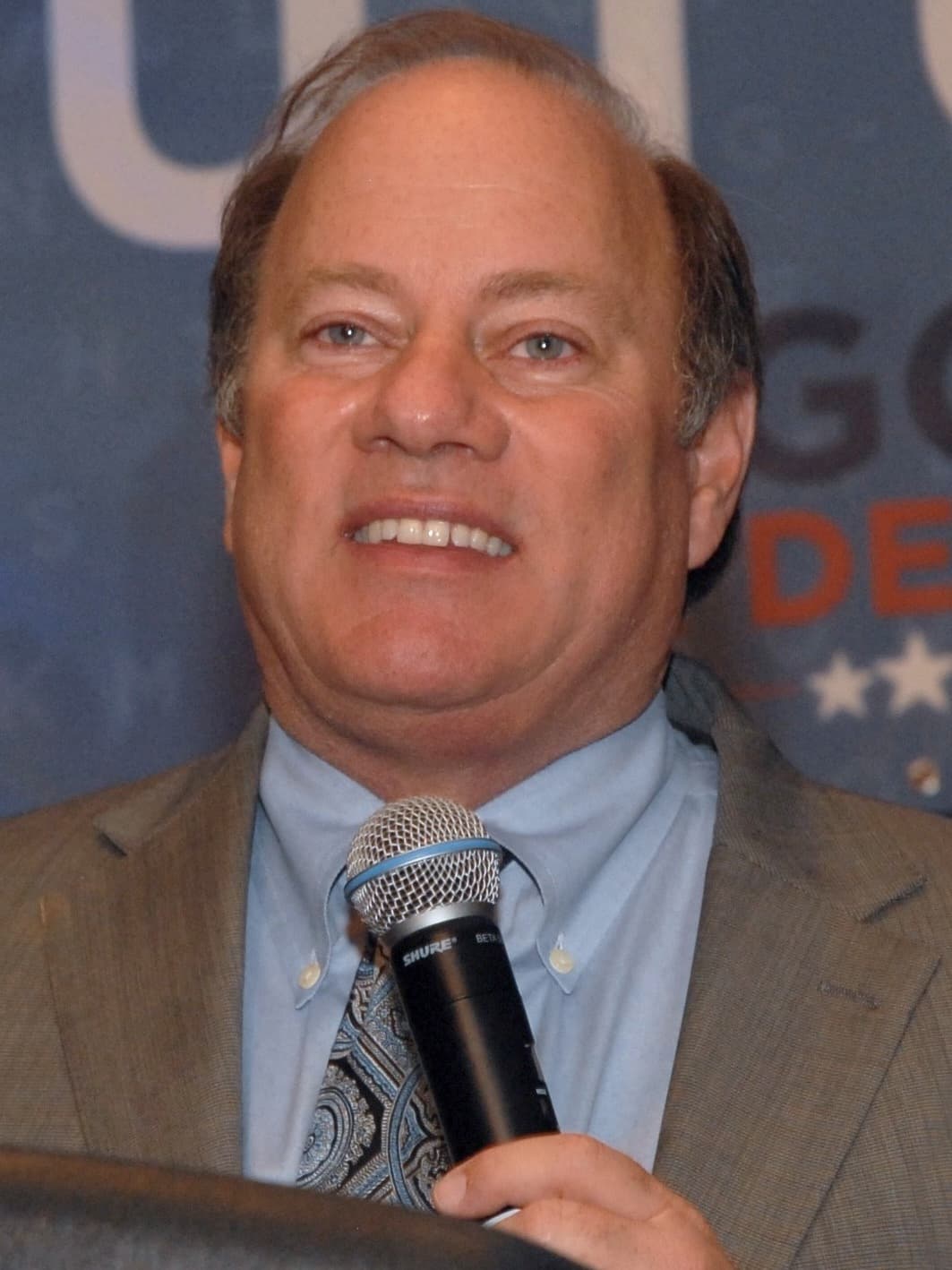
DETROIT, MICHIGAN — Former Detroit Mayor Mike Duggan challenged the ballot access requirements for independent gubernatorial candidates in a social media post Friday, claiming the system unfairly favors party-affiliated candidates despite state guidance showing lower thresholds for independents.
Duggan posted a video to X stating that as an independent candidate, he would need to collect 30,000 signatures on a candidate petition to make the November general election ballot. “This can’t be legal!” Duggan wrote, arguing it takes twice as many signatures for independent candidates compared to party members “because they wrote the rules.”
State Guidelines Show Different Requirements
However, Michigan Department of State guidance contradicts Duggan’s claims. A petition manual for “Candidates Without Political Party Affiliation,” released in February 2026, states that gubernatorial candidates must submit a minimum of 12,000 signatures with a maximum of 60,000.
The requirements for party candidates seeking the August primary ballot are actually higher, requiring a minimum of 15,000 signatures and allowing for a maximum of 30,000 signatures.
Campaign Points to Outdated Statute
Andrea Bitely, a spokesperson for the Duggan campaign, referenced a statutory requirement for nonpartisan statewide candidate petitions to have 30,000 signatures as the basis for the video. The campaign cited existing state law that has not been updated to reflect court rulings.
A Michigan Department of State spokesperson said the published guidelines of 30,000 signatures are outdated. In 2021, a federal court ruled that those requirements were prohibitive to independent candidates, effectively lowering the threshold for ballot access.
Background on Ballot Access Changes
The federal court decision addressed concerns that high signature requirements created barriers for independent and third-party candidates seeking statewide office. The ruling led to the updated guidance that now requires fewer signatures for independent candidates than for those seeking party nominations.
Duggan, who served as Detroit’s mayor before announcing his independent gubernatorial campaign, has been critical of what he describes as a system designed to favor established political parties. His Friday post represents the latest in ongoing discussions about ballot access reform in Michigan.
The confusion over signature requirements highlights the disconnect between existing state statutes and federal court decisions that have modified their application. State election officials continue to operate under the lower thresholds established by the court ruling, according to the Michigan Department of State.