Florida Legislature Cuts Medicaid HMO Payments While Boosting Nursing Home Rates
Florida lawmakers agree to slash Medicaid HMO payments by $206 million while increasing nursing home rates as budget talks intensify.

TALLAHASSEE, FLORIDA — House and Senate budget negotiators continued discussions Thursday as they worked to finalize a roughly $115 billion state spending plan, with significant changes proposed for Florida’s healthcare funding structure.
Legislators have spent three consecutive days addressing budget items including affordable housing, education funding, healthcare programs, and Everglades restoration during the special session scheduled to run until May 29.
Historic Medicaid Managed Care Cuts
For the first time since the mandatory Medicaid managed care program began more than a decade ago, the Florida Legislature will reduce reimbursement rates for contracted health plans. Both chambers have agreed to a 1.3 percent recurring reduction totaling $206 million.
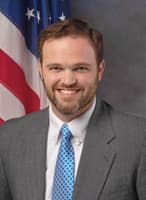
“The DeSantis administration believes the new Medicaid managed care contracts resulted in a 1% savings to taxpayers but that the governor didn’t include those savings in his legislative budget request,” said Pensacola Republican Rep. Alex Andrade, chair of the House Health Care Budget Subcommittee. Andrade explained that the House built in the 1 percent savings and additional cuts.
Healthcare Budget Allocations
Negotiators have reached agreement to allocate $19.2 billion in general revenue for programs serving the poor, elderly, disabled, and individuals in foster care programs. House and Senate healthcare budget conferees met twice Thursday to address remaining spending differences.
The chambers have agreed to increase nursing home reimbursements while reducing payments to contracted managed care companies responsible for caring for the poor elderly and disabled populations.
Hospital Payments Remain Uncertain
Medicaid reimbursements for hospitals remain unresolved, with the Senate advocating for reductions in payments for both inpatient stays and outpatient care services.
The budget negotiation process will become more restrictive after Friday, when discussions over unresolved items will shift from conference committees to direct negotiations between House and Senate budget chairs.
So far, the sides have only exchanged offers on funding for statewide programs and special projects. Proposals addressing more detailed budget specifics and statutory changes have not yet emerged from the negotiations.