Democratic Senate Candidates Clash at Mackinac Policy Conference Debate
Three Democratic Senate hopefuls debated at Mackinac Island conference, showcasing different visions for Michigan representation during Trump’s second term.


MACKINAC ISLAND, MICHIGAN — Three Democratic candidates for U.S. Senate debated Thursday during the annual Mackinac Policy Conference, showcasing their different approaches to Michigan’s challenges in the second Trump administration.
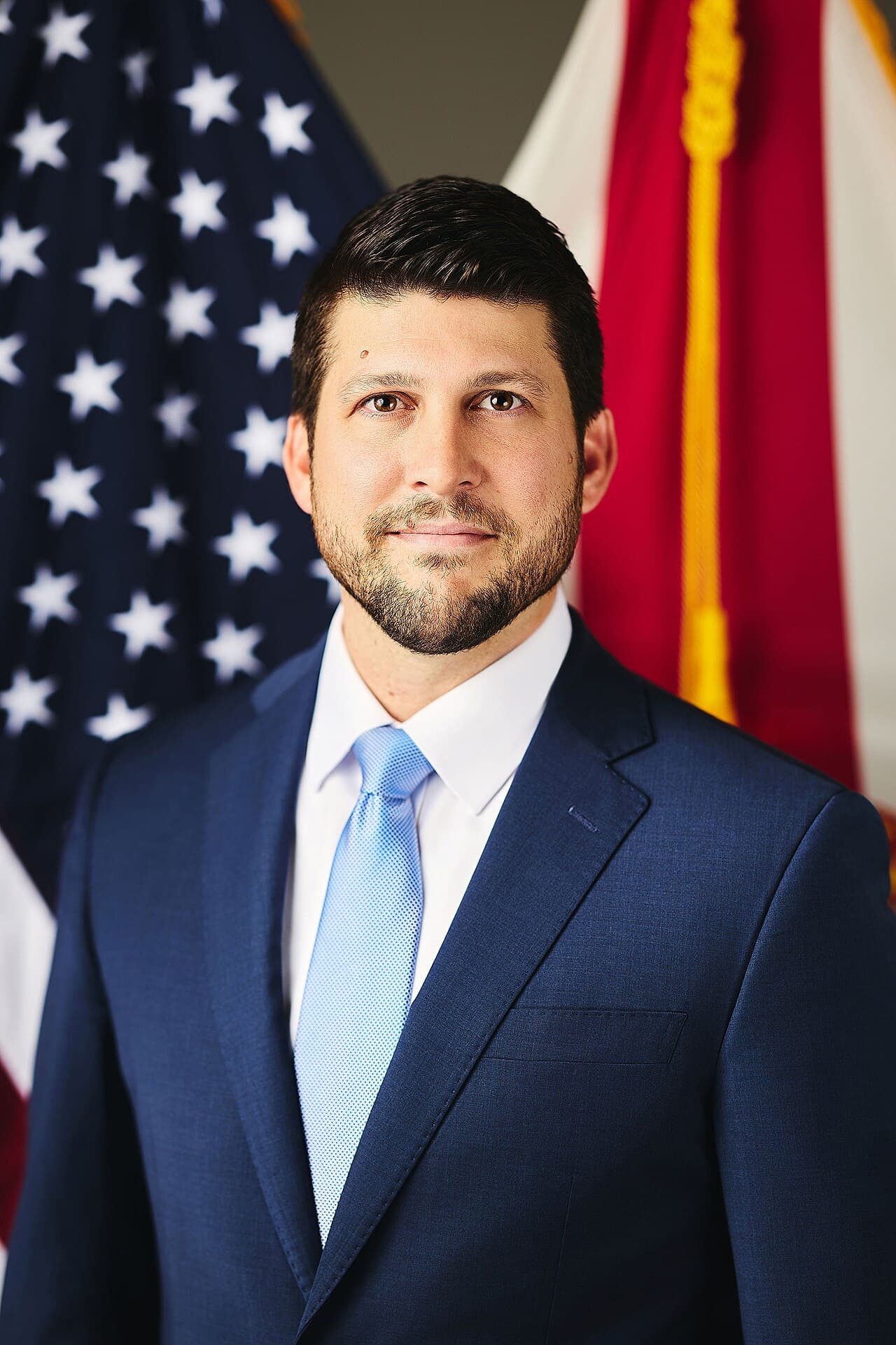
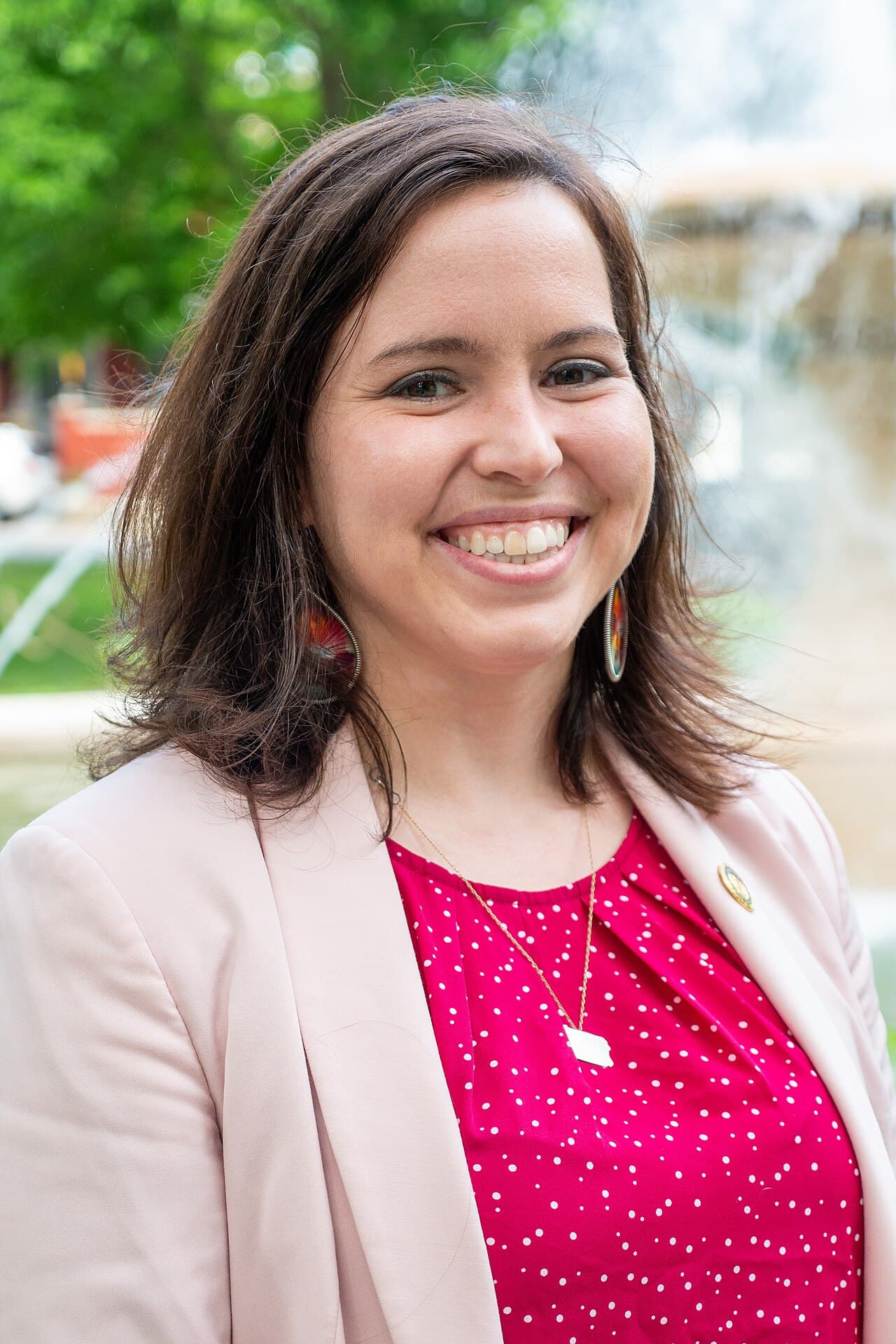
Former Wayne County Health Director Abdul El-Sayed, state Rep. Mallory McMorrow of Royal Oak, and U.S. Rep. Haley Stevens of Birmingham participated in the debate on May 28, each presenting their vision for representing Michigan in Washington.
The debate allowed voters to see the candidates engage directly on policy issues as they compete for the Democratic nomination ahead of the primary election.
Candidates Present Distinct Messages
Over the past year, the three Democrats have campaigned across Michigan, each offering different solutions for the state’s problems and ways to help residents during Trump’s second presidential term. El-Sayed, who previously served as a health official and doctor, has emphasized healthcare and public health initiatives in his campaign.
McMorrow, representing Royal Oak in the state legislature, has focused on state-level policy experience. Stevens brings federal legislative experience from her time representing Birmingham in the U.S. House of Representatives.
Democrats view the 2026 contest as a change election, with some candidates advocating for significant structural reforms in state government.
Conference Draws Mixed Reviews
The Mackinac Policy Conference aims to bring together politicians and business leaders to develop policy solutions, though some attendees expressed skepticism about its effectiveness. Conference participants told Michigan Advance they questioned the event’s ability to translate discussions into meaningful action.
Despite criticism, the conference provides a platform for reaching consensus that often proves difficult in the state capital of Lansing. However, investigation by Michigan Advance revealed the conference has considerable work ahead if it wants to create policies that truly impact working people.
The debate format allowed voters to engage with a political process they are typically excluded from until election day. In an era of social media and instant communication, substantive policy debates offer a unique way to examine candidates’ strengths and weaknesses on important issues.
Primary Race Intensifies
The Senate debate comes as the Democratic primary race continues to intensify, with candidates escalating their efforts to distinguish themselves from their opponents. Each candidate has traveled extensively throughout Michigan, seeking to connect with voters and build support for their respective campaigns.
The winner of the Democratic primary will face the Republican nominee in the general election for Michigan’s U.S. Senate seat. The outcome could significantly impact the balance of power in the U.S. Senate during the remainder of Trump’s second term.
The Mackinac Policy Conference traditionally serves as a venue for Michigan political figures to present their platforms and engage with state business and political leaders. This year’s event continues that tradition while highlighting the competitive nature of the Democratic Senate primary.