Civil Rights Veteran Condemns Tennessee’s Rush to Redistrict After Court Ruling
A civil rights veteran who was jailed in Selma speaks out against Tennessee’s redistricting efforts following a Supreme Court decision weakening voting rights protections.

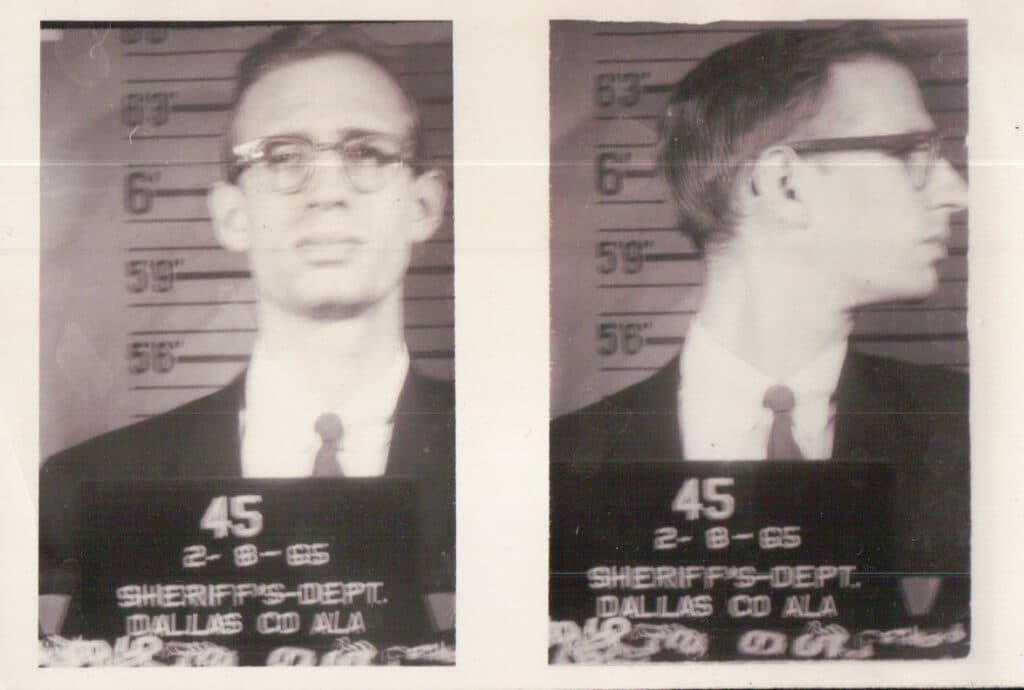
NASHVILLE, TENNESSEE — A civil rights activist who served jail time during the 1965 Selma voting rights campaign is speaking out against Tennessee officials’ efforts to redistrict the state following a recent Supreme Court decision that weakened the Voting Rights Act.
Rev. Gordon Gibson of Knoxville, who spent seven days in jail in Selma, Alabama, a month before Bloody Sunday in March 1965, said he is offended by the state’s quick response to the court ruling.
“It offends me to see Tennessee elected officials rush to redistrict the state in the wake of a recent Supreme Court decision overriding a significant part of the Voting Rights Act,” Gibson said. “I am offended because I have a sense of the costs paid to get and maintain the Act.”
Personal Experience in Civil Rights Movement
Gibson was among several dozen activists sentenced for contempt of court while helping the Civil Rights Movement in Alabama. They were arrested under a judge’s order that prohibited gatherings of three or more people except for religious services.
The order had been ruled unconstitutional in federal court but was still being enforced by the county judge who issued it, according to Gibson.
Gibson recalled the violence that followed during the voting rights campaign. After Bloody Sunday, when Alabama law officers beat and teargassed marchers on the Edmund Pettus Bridge, his colleague Jim Reeb answered Dr. Martin Luther King’s call to come to Selma.
Remembering Those Who Paid the Ultimate Price
Reeb was walking with a close friend of Gibson’s when four white men attacked them on the streets of Selma for supporting Black voting rights. Reeb was struck on the head with a club and died several days later.
Through his work leading civil rights pilgrimages to Alabama and Mississippi, Gibson has maintained connections with families of other civil rights martyrs. He knows the sister of Jimmie Lee Jackson and some of the children of Viola Liuzzo.
Gibson has also met with the widow and children of Vernon Dahmer, Sr., of Mississippi, who was killed by the Klan in 1966 because of his support of Black voting rights and work with the NAACP.
Historical Context of Voting Rights Struggles
The activism Gibson describes was part of the broader struggle that led to passage of the Voting Rights Act, which provided federal oversight of voting practices in states with histories of discrimination.
Gibson’s criticism comes as Tennessee lawmakers move forward with redistricting plans following the Supreme Court decision that removed key protections from the landmark civil rights legislation.
The reverend’s firsthand account serves as a reminder of the personal sacrifices made by activists who fought for voting rights protections that are now under renewed legal and political pressure.