Bath School Bombing: 99 Years Later, Lessons From Michigan’s Deadliest School Violence
The 1927 Bath school bombing remains Michigan’s deadliest school violence, with eerie parallels to today’s economic and social pressures.

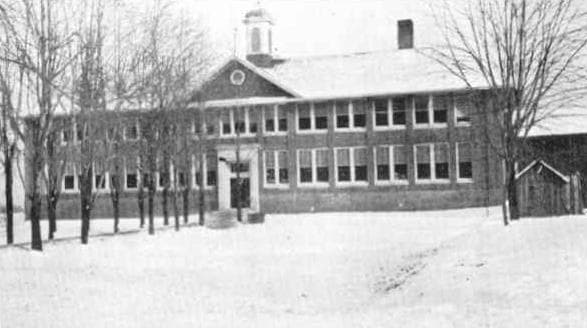
BATH TOWNSHIP, MICHIGAN — Ninety-nine years ago today, Michigan experienced its worst case of school-related violence when a disaffected man brought horror and tragedy to a small Clinton County farming community that continues to grapple with the memory of that devastating day.
The May 18, 1927 Bath Consolidated School bombing serves as a stark reminder that mass violence in schools is not a modern phenomenon, according to a new analysis examining the parallels between the conditions that led to that tragedy and today’s social climate.
Economic Pressures Echo Across Decades
The circumstances surrounding the 1927 attack bear troubling similarities to current conditions facing Michigan residents. Today’s citizens struggle with inflation and rising fuel costs, much like the economic pressures that gripped the state nearly a century ago.
Many residents feel that taxes paid to state and federal entities are not being used effectively to help citizens. Healthcare costs and access remain out of reach for many people, particularly following the rollback of Affordable Care Act credits. Michigan farmers are facing bankruptcies that echo those seen during the Great Depression era.
The Story of Andrew Kehoe
The 1927 tragedy began with Andrew Kehoe, a longtime Bath Township resident who owned a farm in the rural community. In 1922, Bath Township voted to increase property taxes to fund construction of a new school building needed to accommodate the area’s growing population.
Kehoe served as treasurer for the Bath Consolidated School District but strongly opposed the new taxes. Despite his position within the school system, he could not prevent the vote approving the tax increase. The new school was deemed necessary for the community’s children, and the property tax increase was implemented for what officials considered the common good.
However, the additional tax burden proved devastating for Kehoe and became a source of mounting frustration that would eventually lead to unthinkable violence.
Understanding Patterns of Violence
Experts note that recent years have seen an uptick in mass violence events, particularly in schools, where individuals unable to cope with societal pressures engage in large-scale violence. These incidents typically involve males who believe they are being denied their rightful place in social hierarchies.
Such individuals often suffer from personality disorders or mental health crises that exacerbate their feelings of powerlessness. They frequently target vulnerable populations like schools to demonstrate their perceived importance and power to the world.
The angst, anger, hopelessness and sense of powerlessness that characterize these situations affect people in dramatically different ways. While most cope with economic and social pressures through healthy means, history shows that when people believe they are suffering at the mercy of forces beyond their control, combined with underlying mental health issues, some individuals can reach a breaking point.
The Bath Township bombing demonstrates that while many consider school violence a contemporary problem, historical precedent reveals a troubling behavioral pattern that has persisted across generations. The tragedy serves as both a memorial to those lost and a cautionary reminder of the need to address economic hardship and mental health challenges before they reach crisis levels.