Trump Threatens to Fire Federal Reserve Chair Powell as Term Expires
President Trump threatens to fire Fed Chair Jerome Powell if he stays past his May 15 term expiration, raising concerns about central bank independence.

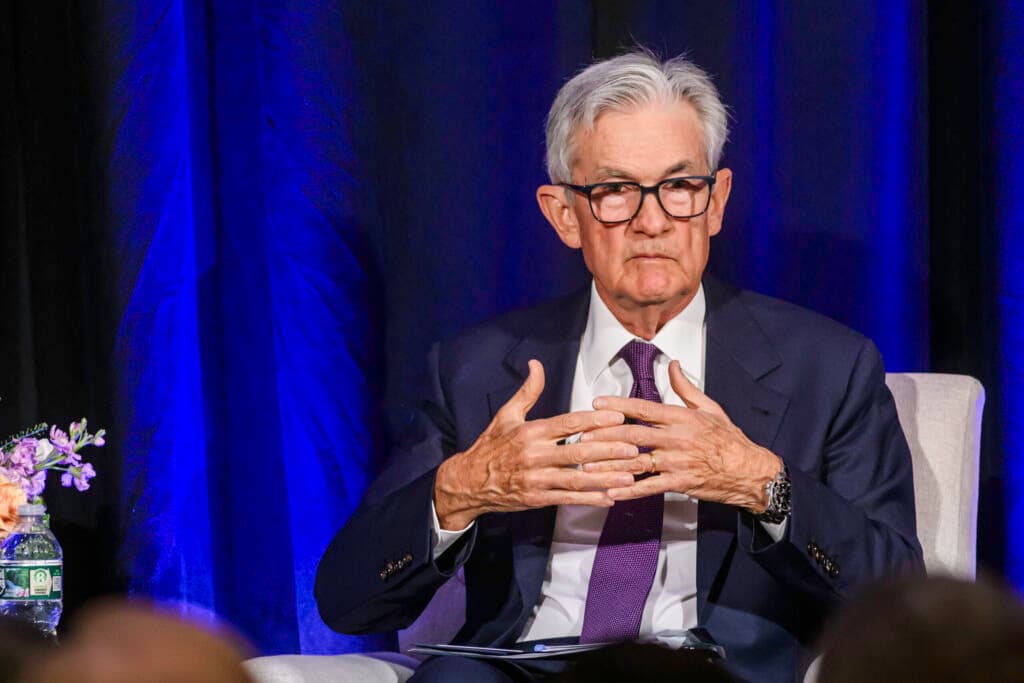
WASHINGTON, D.C. — President Donald Trump has renewed threats to remove Federal Reserve Chair Jerome Powell from his position, escalating tensions between the White House and the nation’s central bank as Powell’s term nears expiration next month.
Trump stated on April 15 that he would fire Powell if the Fed chair remains in his role after his term officially ends on May 15. Powell has indicated he intends to continue serving as chair if the Senate has not confirmed his replacement by that date, a move that is legally permissible under federal law.
Pattern of Pressure on Fed Leadership
The latest threat is part of a broader campaign by Trump to influence Federal Reserve operations. The president has made multiple promises to fire Powell throughout his current term, while his Department of Justice has launched a criminal investigation into renovations at the Federal Reserve building.
Trump has also attempted to remove Fed Governor Lisa Cook over allegations of mortgage fraud. The Supreme Court is currently deciding Cook’s fate in the ongoing legal battle.
Central Bank Independence at Stake
Economic experts warn that Trump’s repeated efforts to oust Federal Reserve leadership threaten the independence of the central bank, which serves as a cornerstone of effective economic policy and inflation management. The Federal Reserve’s ability to make monetary policy decisions free from political pressure has historically been viewed as essential for maintaining economic stability.
Powell’s potential continuation beyond his official term expiration would mark an unusual situation in Federal Reserve history. However, legal precedent allows Fed chairs to remain in their positions until successors are confirmed by the Senate, even after their terms conclude.
Ongoing Political Tensions
The conflict between Trump and Powell reflects broader tensions over monetary policy and the role of the Federal Reserve in economic management. Trump’s public criticism of Fed leadership represents a departure from the traditional practice of presidents avoiding direct commentary on central bank decisions.
Federal prosecutors’ unannounced appearance at the Federal Reserve building as part of the renovation investigation has further heightened concerns about political interference in Fed operations. The investigation adds another layer of pressure on the institution as it navigates its role in current economic conditions.
As May 15 approaches, the standoff between Trump and Powell threatens to create uncertainty in financial markets and raise questions about the future independence of America’s central banking system. The situation could set precedents for how future administrations interact with Federal Reserve leadership.