Tennessee Lawmakers Consider Major Expansion of Low-Income School Vouchers
Tennessee’s legislature considers expanding private school vouchers to families earning up to $240,000, adding Knox County and removing enrollment caps on the current 4,800-student program.

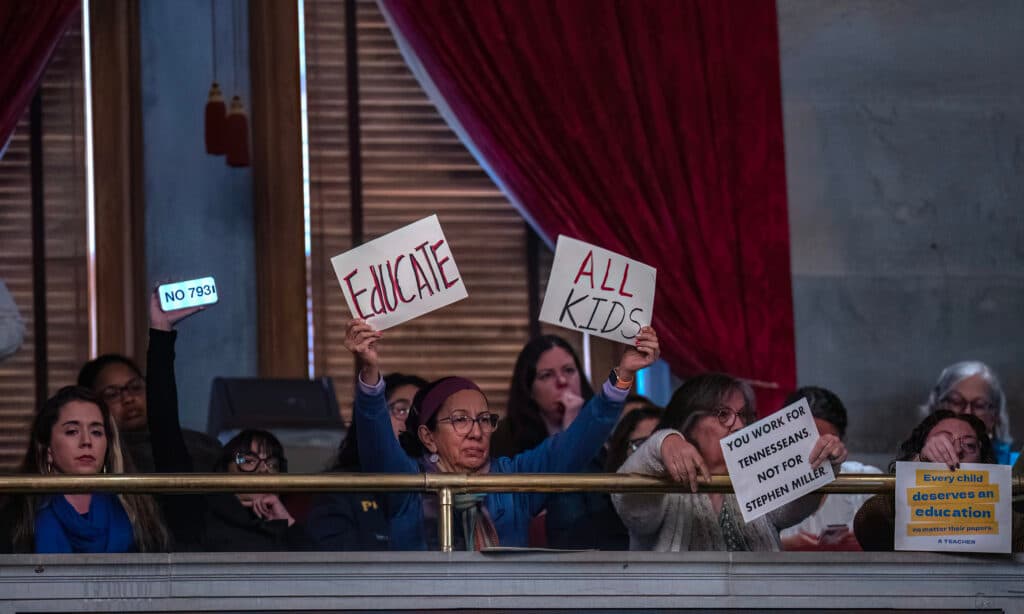
NASHVILLE, TENNESSEE — Tennessee legislators are considering a significant expansion of the state’s private school voucher program for low-income students, just one week after enhancing a separate voucher system available to all families.
The proposed legislation would broaden the Education Savings Account program, which currently serves approximately 4,800 students in Metro Nashville, Memphis Shelby County, and Hamilton County school districts, according to a state financial analysis. Senate Bill 1585/House Bill 1881 would extend the program to Knox County Schools and eliminate enrollment caps.
Income Limits Would Rise Substantially
The bill would expand eligibility by raising the income threshold to 400% of the federal free or reduced-price lunch program, allowing families earning up to $240,000 for a household of four to qualify for vouchers. Republican Representative William Slater of Gallatin and Senate Majority Leader Jack Johnson of Franklin are sponsoring the measure.
The Education Savings Account program faced a challenging start in 2019, when former House Speaker Glen Casada held the voting board open for nearly 45 minutes to secure enough support for a tie-breaking vote.
Late Session Surprise for Lawmakers
The timing of the proposal has caught some legislators off guard, as many believed voucher discussions had concluded following last week’s legislative action. Republican leadership is now working to secure votes during the final days of this year’s session.
The bill faces potential difficulties in the Senate if it advances from the House. State financial analysis indicates the measure would cost only $22,000 for administrative purposes, though the broader fiscal impact of removing enrollment caps remains unclear.
Program History and Current Status
Tennessee’s original voucher program operates in three school districts and has maintained relatively modest enrollment since its contentious establishment seven years ago. The new legislation represents the most significant proposed expansion since the program’s inception.
The measure comes as Tennessee continues to navigate ongoing debates over school choice policies and public education funding. Opposition from both public advocacy groups and a bipartisan coalition of lawmakers has marked previous voucher discussions.
If approved, the expanded program would represent a major shift in Tennessee’s approach to education funding, potentially affecting thousands of additional families across the state’s largest urban school districts.