Tennessee Data Center Regulation Bill Passes After Six Others Fail
Tennessee lawmakers passed just one of seven bills regulating data centers, allowing facilities to self-generate power as AI demands surge.

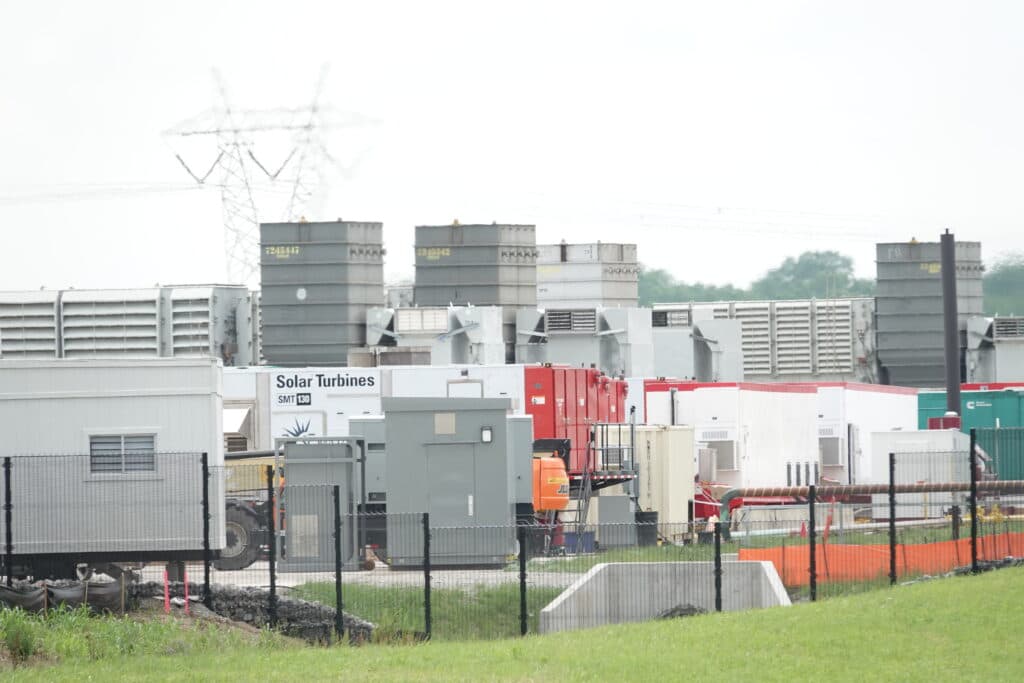
NASHVILLE, TENNESSEE — Tennessee lawmakers passed only one of seven proposed bills aimed at regulating the state’s growing data center industry this legislative session, as concerns mount over the facilities’ massive energy consumption and infrastructure impact.
The successful legislation allows data center owners requiring at least 50 megawatts of power to self-generate electricity with limited state oversight. Six other bills that would have imposed stricter regulations on the industry failed to advance or died before reaching a vote.
Massive Energy Demands Drive Legislative Action
Data centers, which house the computers and cooling systems that manage digital data, have proliferated across Tennessee as artificial intelligence development expands. Large AI-capable data centers can consume upward of 100 megawatts of power — enough electricity to support 80,000 U.S. households, according to a Congressional report.
The Tennessee Valley Authority approved a deal in February allowing Elon Musk’s Memphis-area xAI data center operations to purchase up to 300 megawatts of power. Currently, 60 data centers are operating or under construction in Tennessee, with 25 located in the Nashville area.
Failed Bills Covered Water, Power Reporting
The unsuccessful proposals included registration and permitting requirements, mandatory reporting on water and electricity usage, and fuel consumption tracking. One bill would have required “high performance computing facilities” to devote half of their data processing output for “public benefit.”
Both Democratic and Republican lawmakers introduced bills targeting the resource-intensive industry as states nationwide grapple with data centers’ impact on local infrastructure and power grids. The facilities require significant cooling systems and networking equipment to operate effectively.
Limited Regulation Approach Prevails
The sole surviving measure takes a hands-off approach to the industry, focusing on enabling self-power generation rather than imposing oversight requirements. The legislation reflects Tennessee’s business-friendly stance toward technology companies while addressing the practical need for data centers to secure adequate power supplies.
As artificial intelligence applications continue expanding, data centers are expected to place increasing demands on Tennessee’s electrical grid. The Tennessee Valley Authority, which provides power for Tennessee and portions of surrounding states, must balance growing data center needs with residential and commercial electricity demands.
The legislative session’s outcome suggests Tennessee will maintain minimal regulation of data center development, even as other states implement stricter controls on the industry’s infrastructure impact.