Ohio Media Expert Warns About Irresponsible News Reporting on Social Media
Media professionals warn that verified social media influencers are sharing unconfirmed police scanner reports as news, creating potential public safety risks.

COLUMBUS, OHIO — A media professional is raising concerns about the trend of unverified news reporting by social media influencers, particularly regarding the practice of broadcasting unconfirmed police scanner reports to the public.
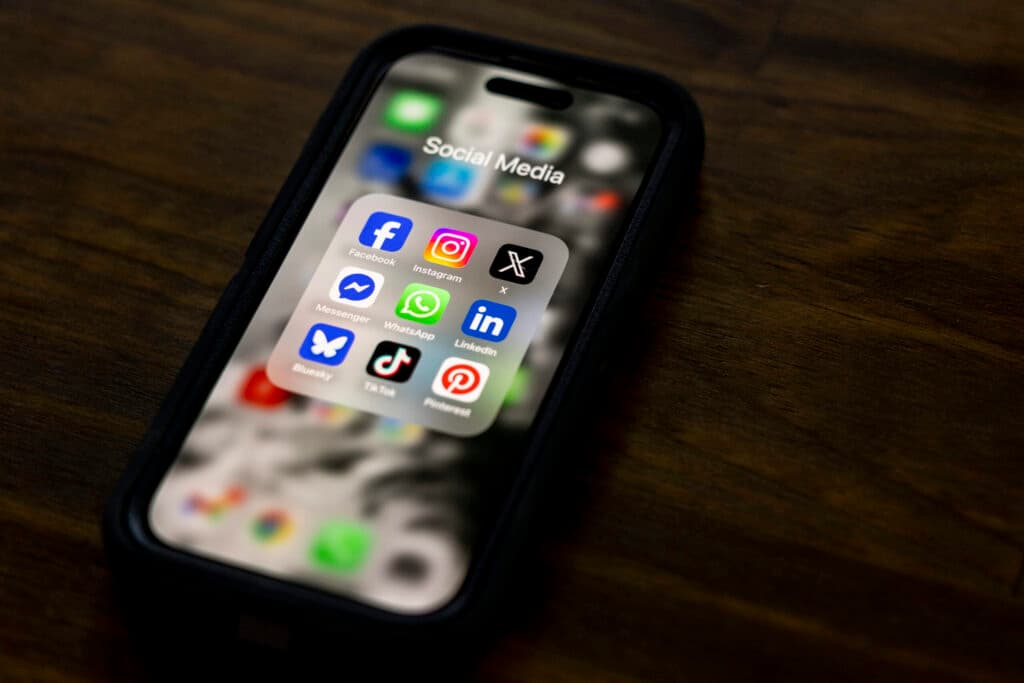
The warning comes as Facebook feeds across Ohio have become flooded with posts from verified accounts sharing information they present as factual news, despite lacking proper verification. Many of these accounts belong to local influencers and content creators who focus on community events and business developments.
Police Scanner Reports Create False Alarms
According to Pew Research, news influencers are defined as people who regularly post about current events on social media and have at least 100,000 followers on platforms like Facebook, X, TikTok, or YouTube. Content creators typically focus on entertaining or educational videos about local events or businesses, including posts about new restaurants and rumors about incoming businesses.
While much of this content remains harmless, media professionals warn that some Facebook accounts are crossing ethical boundaries by reporting unverified information. The most concerning practice involves quoting police scanner communications directly to audiences without confirmation from official sources.
“Many times when people are calling 911, they’re not sure what’s going on,” explained one journalist familiar with newsroom operations. “When you work in a newsroom, you listen to the police scanner all day. I’ve heard many things said on police scanners that turned out to be nothing.”
False School Shooting Report Highlights Dangers
The risks of reporting unverified scanner traffic became clear during an incident on December 7, 2022, when a false active shooter report at a local high school created widespread panic. At 8:15 a.m., police scanners reported a shooting with one student injured and described a shooter allegedly on the loose.
Professional news outlets immediately mobilized reporters and photographers to investigate the situation while working to confirm details with official sources. Within 15 minutes, authorities determined the emergency call was fake, preventing the spread of false information through traditional media channels.
The incident demonstrated why established news organizations follow strict protocols before publishing emergency reports, unlike social media influencers who may share unconfirmed scanner traffic immediately with their audiences.
Growing Concerns About Information Quality
Media experts emphasize that responsible news reporting requires verification from multiple official sources before publication, particularly for emergency situations. The proliferation of social media accounts presenting themselves as news sources has created confusion among audiences about information reliability.
The trend reflects broader concerns about media literacy as traditional journalism faces competition from unregulated social media content. While local influencers and content creators serve valuable roles in community engagement, their lack of journalistic training and ethical standards can lead to the spread of misinformation during critical situations.
Ohio residents are encouraged to verify news from official sources before sharing emergency information and to be cautious about treating social media posts as confirmed news, regardless of verification badges or follower counts.