Ohio House considers opposing bills on high school athlete NIL deals
Two competing Republican bills in Ohio’s House offer opposite approaches to NIL deals for high school athletes, with one seeking to ban them entirely and another proposing regulatory frameworks.

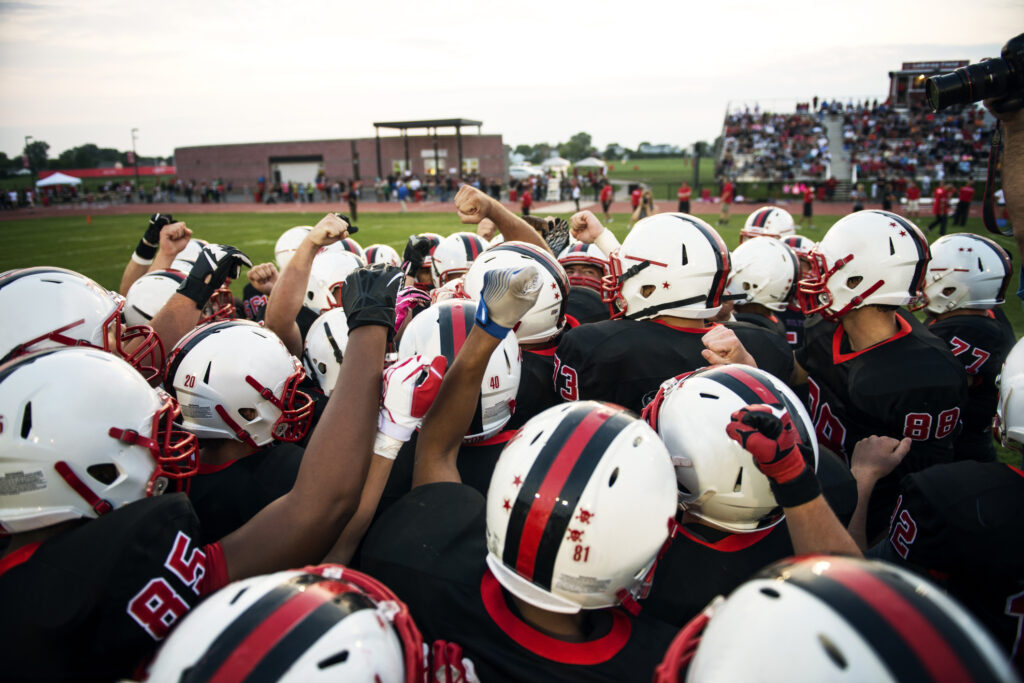
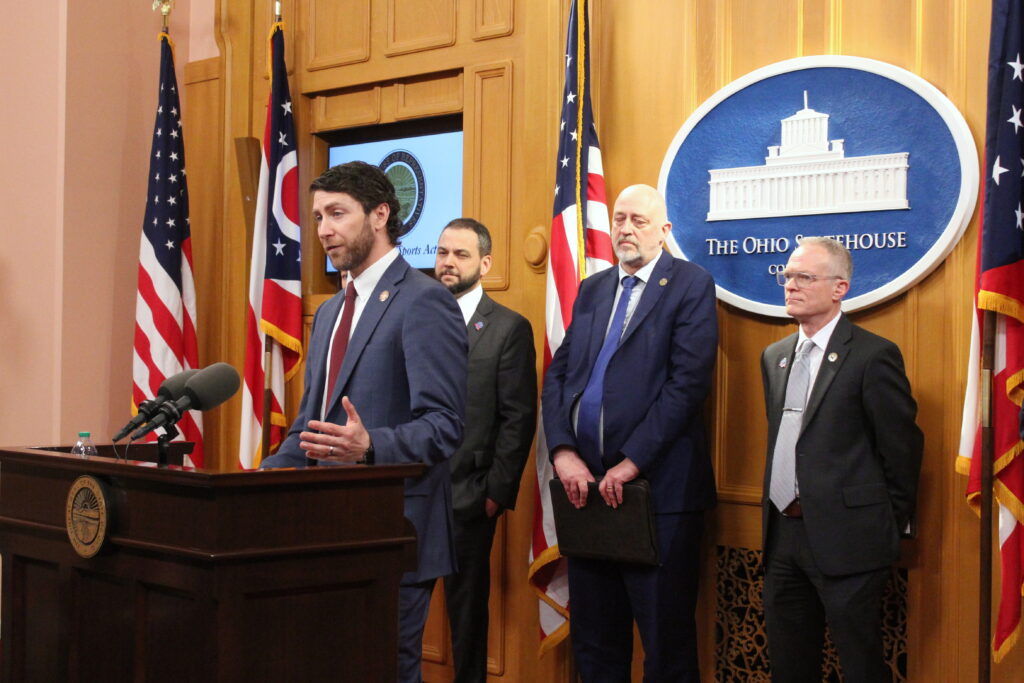
COLUMBUS, OHIO — Two competing Republican-sponsored bills in the Ohio House propose different approaches to name, image, and likeness compensation for high school athletes, setting up a legislative debate over whether students should profit from their athletic abilities.
House Bill 661 would prohibit high school and middle school athletes from entering into NIL deals entirely, while House Bill 745 establishes regulatory frameworks that would allow high school students to earn compensation through such agreements.
The contrasting proposals highlight a divide among Ohio lawmakers about how to handle the expanding NIL issues that have already transformed college athletics.
Competing Visions for Student Athletes
House Bill 661 represents a restrictive stance, seeking to maintain traditional amateur status for high school and middle school competitors. Supporters of this approach argue that compensation could undermine the educational mission of high school sports and create unfair advantages between schools and districts.
In contrast, House Bill 745 proposes guardrails rather than outright bans. This legislation would establish oversight mechanisms designed to protect student athletes while allowing them to benefit from their marketability.
Statewide Implications
The debate comes as NIL deals have become increasingly common in college athletics following recent rule changes. High school athletics associations across the country are grappling with whether to extend similar opportunities to younger athletes or maintain stricter amateur requirements.
Ohio’s decision could influence policy discussions in neighboring states and establish precedent for how high school sports programs navigate the intersection of education, athletics, and commercial opportunities.
Both bills remain in committee as lawmakers continue to examine the potential impacts on student athletes, schools, and competitive balance within Ohio’s high school sports programs. The opposing approaches suggest the issue will require significant debate before reaching resolution.