Ohio bill codifying antisemitism definition advances amid free speech concerns
Legislation defining antisemitism in state law passes Ohio Senate but faces opposition over potential First Amendment violations.


COLUMBUS, OHIO — Legislation that would formally define antisemitism in state law has advanced to the Ohio House after passing the Senate, sparking debate over free speech protections and potential impacts on discourse about Israel.
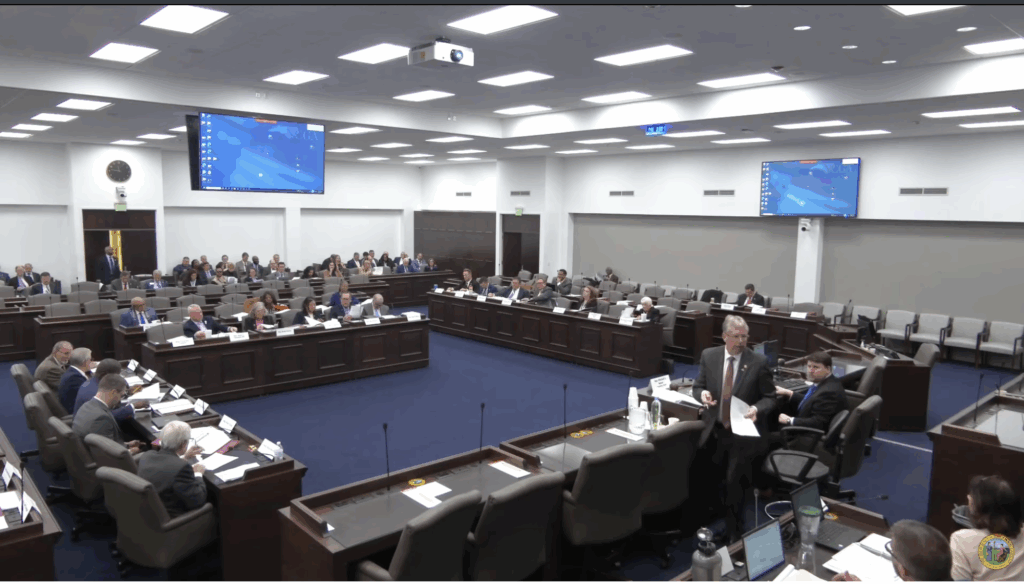
Ohio Senate Bill 87 cleared the Ohio Senate last month and now sits before the House Judiciary Committee. The measure seeks to establish a legal definition of antisemitism along with specific examples of what constitutes antisemitic behavior under state law.
Supporters argue the legislation provides necessary clarity for identifying and addressing antisemitic incidents across Ohio. However, critics contend the bill could restrict constitutionally protected speech and create a mechanism to shield Israel-related discussions from legitimate criticism.
Bill Details and Legislative Progress
The legislation passed the Ohio Senate in March and has been referred to the House Judiciary Committee for consideration. If enacted, the bill would make Ohio among the states that have formally adopted antisemitism definitions into their legal codes.
The measure comes as lawmakers nationwide have grappled with rising reports of antisemitic incidents and debates over how to balance hate crime protections with free speech rights. Ohio’s approach mirrors efforts in other states to provide legal frameworks for addressing antisemitism.
Opposition Raises Constitutional Concerns
Opponents of Senate Bill 87 have raised concerns about potential First Amendment violations. Critics argue the legislation could be weaponized to suppress legitimate political speech, particularly criticism of Israeli government policies or actions.
The debate reflects broader national tensions over distinguishing between antisemitism and political criticism of Israel. Free speech advocates worry that codifying specific examples of antisemitic behavior could create legal vulnerabilities for protected political expression.
Civil liberties organizations have previously opposed similar measures in other states, arguing they can blur the lines between hate speech and legitimate political discourse. These groups contend that existing hate crime laws already provide adequate protections without risking constitutional violations.
Next Steps in Legislative Process
The House Judiciary Committee will now review the legislation and determine whether to advance it for a full House vote. Committee members will likely hear testimony from both supporters and opponents before making their decision.
If the bill passes the House in its current form, it would proceed to Governor Mike DeWine’s desk for his signature or veto. Any amendments made by the House would require the legislation to return to the Senate for concurrence.
The timeline for committee action remains unclear, as the House Judiciary Committee has not yet scheduled hearings on the measure. Legislative observers expect the debate to intensify as the bill moves through the House process.
The legislation represents one of several measures addressing antisemitism and hate crimes that have emerged in state legislatures across the country in recent years. Ohio lawmakers have faced increasing pressure from advocacy groups to address reported increases in antisemitic incidents statewide.