Ohio AG Joins 44 States Calling for Federal Drug Pricing Transparency Rules
Attorney General Dave Yost joins 44 other state AGs demanding federal drug pricing transparency while protecting existing state laws targeting pharmacy benefit managers.


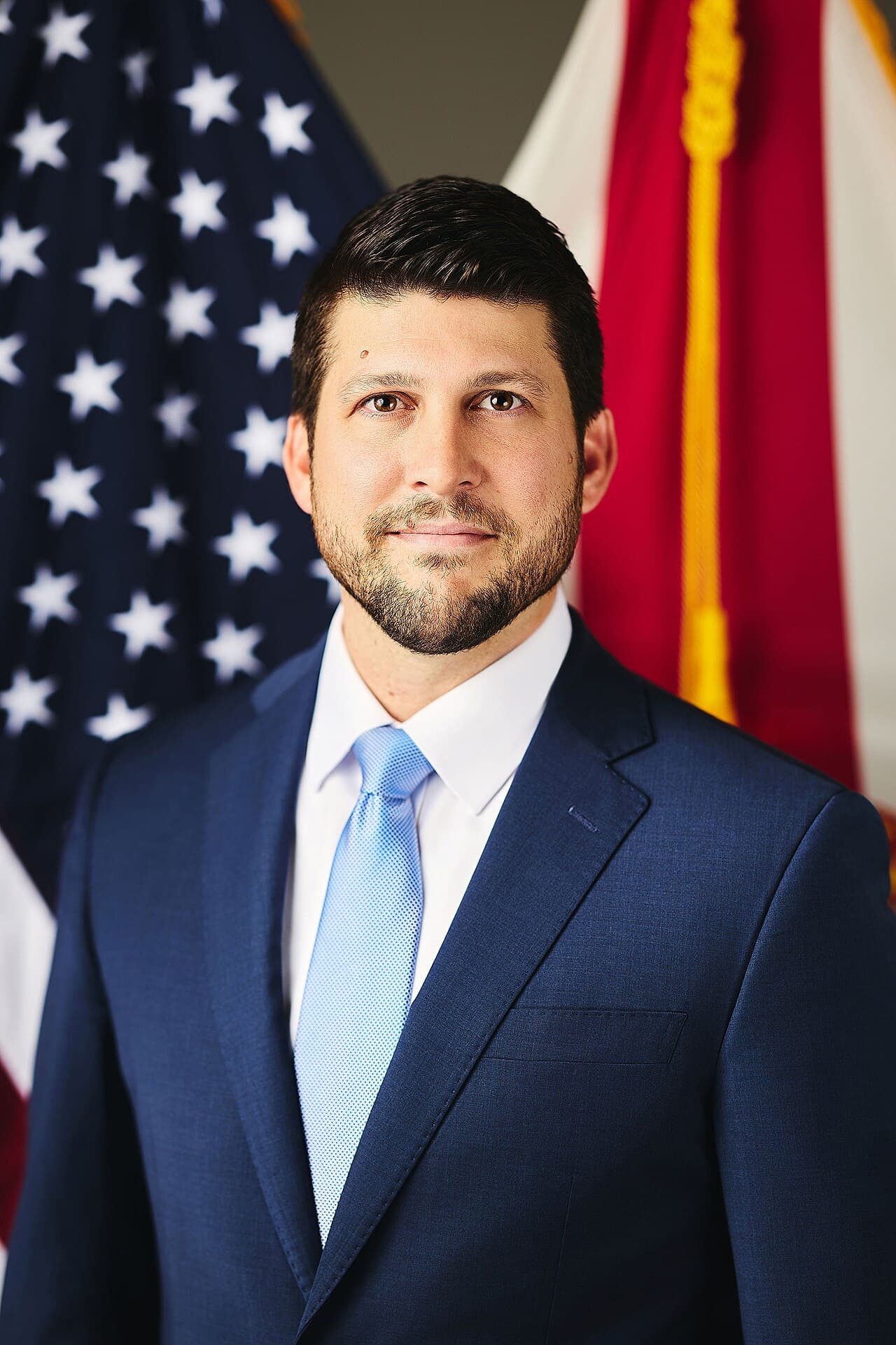
COLUMBUS, OHIO — Ohio Attorney General Dave Yost has joined 44 other state attorneys general in urging the federal government to implement greater transparency in prescription drug transactions while preserving existing state laws that address the same issues.
The multistate coalition specifically called on federal officials to clarify that any new federal transparency rules would not override state-level transparency laws already in place. The effort targets pharmacy benefit managers, known as PBMs, which serve as intermediaries representing insurers in drug transactions.
PBM Market Dominance Raises Concerns
The three largest PBMs control approximately 80% of drug transactions nationwide. Each operates as part of massive health conglomerates that also own major insurance companies and pharmacy operations, including CVS Health, which owns the nation’s largest brick-and-mortar pharmacy chain.
PBMs negotiate drug purchases on behalf of insurers, determining which medications receive coverage and frequently securing substantial rebates from pharmaceutical manufacturers in exchange for including their products in coverage plans. These companies also establish pharmacy networks and set reimbursement rates for participating pharmacies.
Industry Claims Versus Market Reality
PBM companies maintain they represent the only component of the drug supply chain focused on reducing costs for consumers. However, drug price inflation has significantly exceeded general economic inflation since PBMs became prominent players in the healthcare market.
Research has demonstrated that the current rebate system employed by PBMs actually drives up the list prices of medications. This finding contradicts industry assertions about their role in controlling pharmaceutical costs.
Impact on Independent Pharmacies
Small pharmacy chains and independent pharmacies have raised concerns about potential conflicts of interest within the PBM system. These pharmacy owners argue that conglomerates controlling PBMs face inherent conflicts when determining reimbursement rates for their own pharmacy operations compared to competing independent pharmacies.
Many independent pharmacy operators blame these healthcare conglomerates for contributing to financial pressures that have forced numerous independent pharmacies to close their doors.
The attorneys general letter represents the latest effort by state officials to address prescription drug pricing issues through regulatory oversight and transparency requirements. Ohio’s participation in the coalition reflects ongoing state-level concerns about pharmaceutical pricing practices and their impact on consumers and healthcare providers.