NC State Expert Weighs in on Iran War and State Political Upheaval
NC State political scientist Steven Greene analyzes how the Iran war intersects with major political upheaval currently reshaping North Carolina’s political landscape.

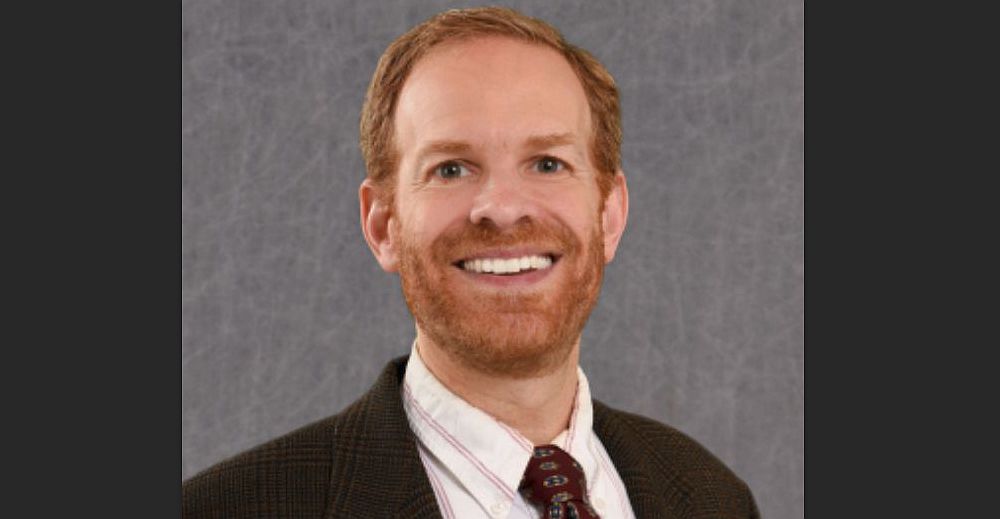
RALEIGH, NORTH CAROLINA — A North Carolina State University political scientist is providing insights on two major developments affecting both international relations and local politics as the war in Iran continues and the state experiences political turmoil.
Steven Greene, a professor of political science at NC State, examines how global conflicts intersect with domestic political dynamics in North Carolina. His expertise includes both international affairs and state-level political analysis.
Iran Conflict Analysis
The ongoing war in Iran has captured national attention, with implications reaching beyond the Middle East. Greene’s research focuses on how international conflicts influence American political discourse and voter behavior.
Political scientists like Greene study the relationship between foreign policy crises and domestic political reactions. The current situation in Iran serves as a test case for understanding public opinion formation during international emergencies.
North Carolina Political Developments
Meanwhile, North Carolina faces what observers are calling a political earthquake that has reshaped the state’s political scene. The developments have affected both major political parties in the state.
Greene’s analysis of state politics draws from years of studying North Carolina’s unique political environment. The state has long served as an indicator for national political trends, making local political shifts particularly noteworthy.
The political scientist’s commentary comes at a time when North Carolina voters are dealing with multiple complex issues. State residents must navigate both local political changes and the broader implications of international conflicts.
Academic Perspective on Current Events
As a faculty member at NC State, Greene brings an academic approach to understanding current political developments. His research involves examining polling data, voter behavior patterns, and historical precedents.
Political science experts often help the general public interpret complex political phenomena. Greene’s role extends beyond the classroom as he aids citizens in understanding the broader implications of current events.
The intersection of international and domestic politics creates unique challenges for political analysis. Scholars must consider how external events influence internal political dynamics and voter decision-making processes.
NC State University has a strong tradition of faculty engagement with current political issues. The institution’s political science department regularly contributes expertise to public discourse on both state and national political developments.
Greene’s analysis comes as North Carolina continues to play a significant role in national politics. The state’s political developments often signal broader trends that influence presidential elections and congressional races.
The timing of both the Iran conflict and North Carolina’s political changes creates a complex environment for political analysis. Voters must process information about international crises while navigating changes in their state’s political structure.