NC House Democrats Propose Bills to Address Cost of Living Crisis
House Democrats unveil legislation targeting housing, wages, and data center regulation as GOP budget impasse continues into second year.

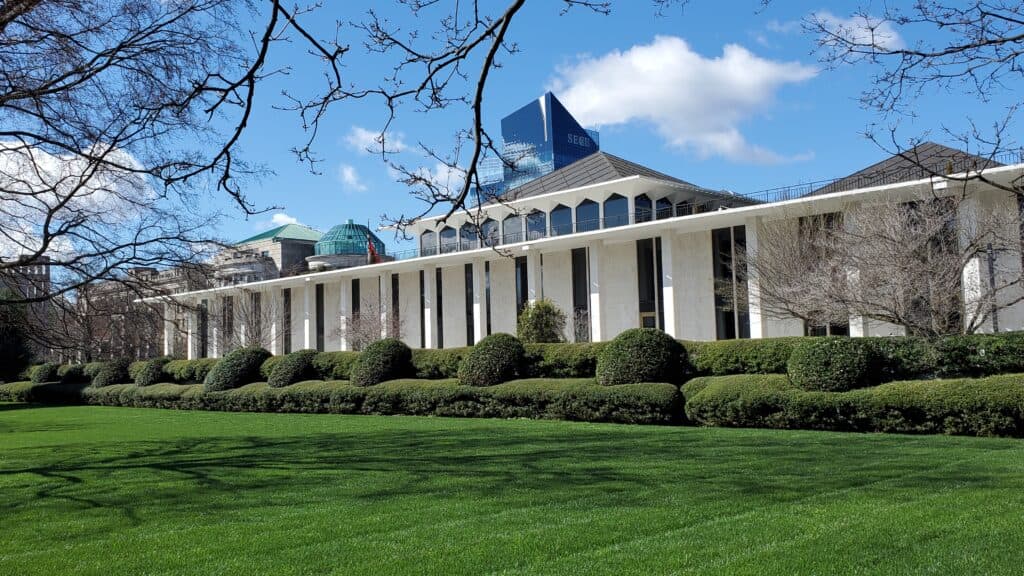
RALEIGH, NORTH CAROLINA — House Democrats introduced legislation Monday aimed at addressing North Carolina’s housing shortage, expanding minimum wage authority for local governments, and regulating large data centers as Republican leaders remain deadlocked over the state budget after a year-long impasse.
The package of bills addresses what Democratic lawmakers describe as affordability challenges affecting working families across the state, though the proposals face an uphill battle in the Republican-controlled legislature.
“Three of the sharpest pain points for families” drive the need for immediate action, according to bill sponsors who said the measures target utility costs, housing availability, and wage stagnation.
Affordability Crisis Hits Working Families
Rep. Vernetta Alston, D-Durham, said during a press conference that the affordability crisis prevents some working North Carolinians from buying “groceries without falling behind on their bills.” The Durham representative attributed the problem to “powerful interests and bad policy choices” that burden ordinary residents with escalating costs.
“When corporations can shift energy costs onto rate-payers, when wages lag far behind the cost of living, and when housing supply is choked by delays and speculation, working people pay the price,” Alston said.
Data Center Regulation Proposed
The Ratepayer and Resource Protection Act, designated as House Bill 1063, would mandate detailed resource consumption disclosures from large data centers. The legislation responds to concerns about artificial intelligence-driven data center expansion and its potential impact on electrical grids, water supplies, energy costs, and environmental conditions.
Communities considering data center projects have expressed worry about infrastructure strain and increased utility rates. The proposed law would also establish new electric rate requirements for data center operations, though the source material does not specify the complete rate structure details.
Limited Prospects in Republican Legislature
Democratic lawmakers acknowledged the challenging political reality facing their proposals in both legislative chambers where Republicans hold majorities. The minority party’s bills typically struggle to receive committee hearings or floor votes under current legislative leadership.
Despite the procedural obstacles, Democratic sponsors emphasized presenting alternative policy approaches to address pressing economic concerns affecting North Carolina residents. The housing shortage component of the package would work to increase available units, while minimum wage provisions would grant local governments expanded authority to set wage floors.
The legislative push comes as state government operations continue without a fully approved budget, creating additional uncertainty for state programs and services. Republican House and Senate leaders have maintained their budget standoff for twelve months, leaving various state initiatives in limbo.
The Democratic proposals represent the minority party’s effort to highlight economic policy differences with the Republican majority while offering specific solutions to cost-of-living pressures facing constituents statewide.