Missouri Naloxone Distribution Programs Face $3 Million Budget Cut Despite Senate Effort
Senate committee moves to restore $5 million for naloxone programs, but first responder distribution efforts still face $3 million cut from current funding levels.

JEFFERSON CITY, MISSOURI — Missouri’s naloxone distribution programs operated by first responders are facing a $3 million funding reduction despite Senate efforts to restore some of the proposed cuts, according to legislative action taken this week.
The Senate Appropriations Committee on Tuesday recommended partially restoring funding by adding back $5 million to cushion cuts initially passed by the Missouri House. However, the programs will still operate with $3 million less than the current fiscal year if the plan advances.
“We’re going to be the ones that have the best contact time with people that are at their most vulnerable, when they’re more likely to accept the help so that we can give it to them,” said Marc Doll, emergency medical services bureau chief for the St. Charles City Fire Department.
First Responders Key Distribution Point
Doll explained that paramedics from his department find that patients refuse hospital treatment about 75% of the time when responding to opioid overdose calls. Despite declining medical transport, patients typically accept naloxone kits that paramedics leave behind.
The medication quickly reverses opioid overdoses, making first responders ideally positioned to distribute naloxone to those who need it most, Doll told The Independent.
Statewide Distribution Success
Since Missouri began receiving settlement funds from the nation’s top opioid producers and distributors in 2023, the Missouri Institute for Mental Health at the University of Missouri-St. Louis has coordinated statewide naloxone distribution. The institute distributed more than 1.2 million doses of naloxone in 2025.
Each kit contains two doses of the medication, instructions for use, and a list of resources for people seeking help for opioid use disorders.
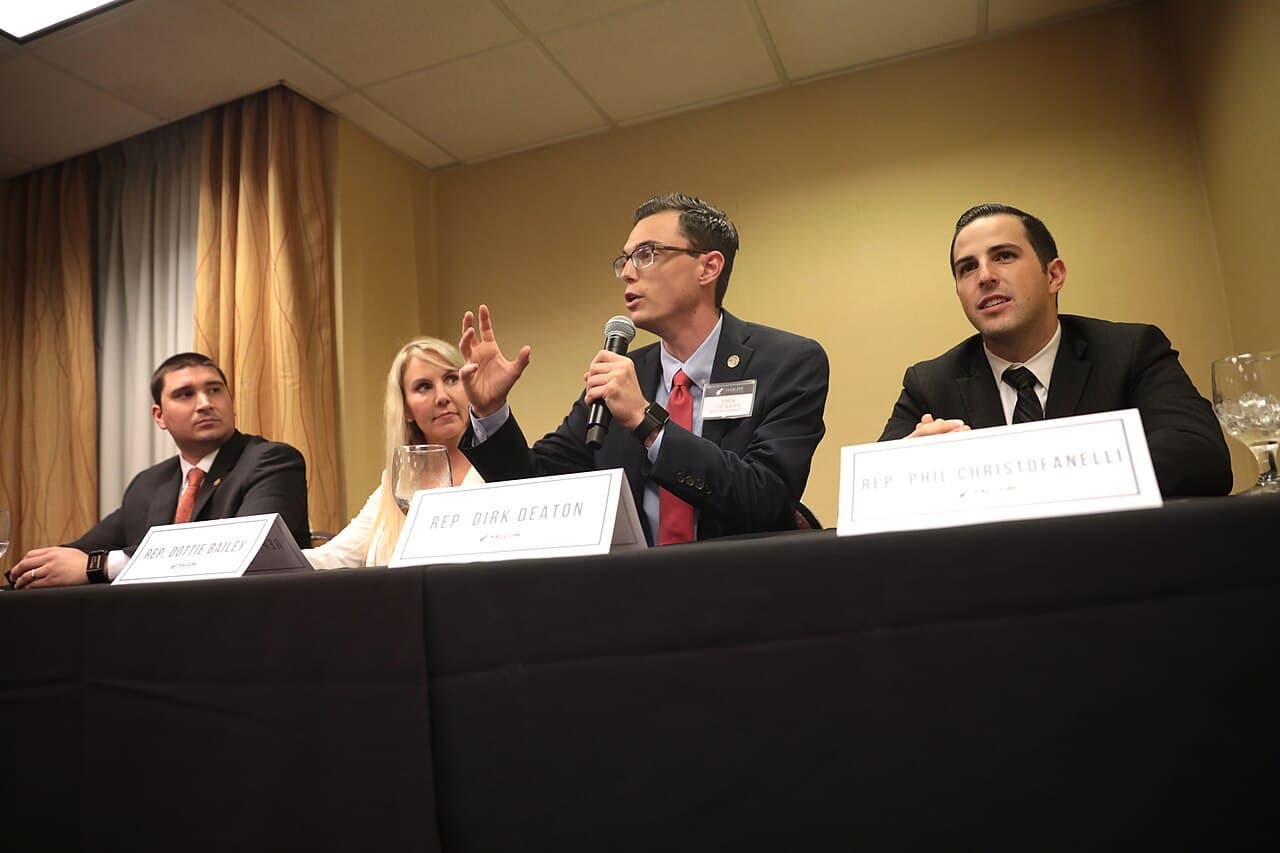
The Senate plan would draw from the state’s opioid resettlement fund to partially restore the naloxone distribution funding. Republican state Rep. Dirk Deaton of Seneca, chair of the House Budget Committee, opposed an amendment last month that sought to restore some funding, citing the need to preserve opioid settlement funds for future years.
Legislative Process Continues
If the Senate Appropriations Committee votes to approve the funding restoration plan, the measure will advance to debate by the full Senate.
The funding debate comes as Missouri continues implementing programs supported by opioid settlement money, which began flowing to the state in 2023 following legal agreements with major pharmaceutical companies and distributors.
First responders across Missouri have become integral to naloxone distribution efforts, reaching individuals during moments when they may be most receptive to accepting life-saving medication and resources for addiction treatment.