Missouri House Committee Debates Bill to Bar Foreign, Religious Laws
House committee weighs controversial measure that would block international organizations like the WHO from exercising authority in Missouri.

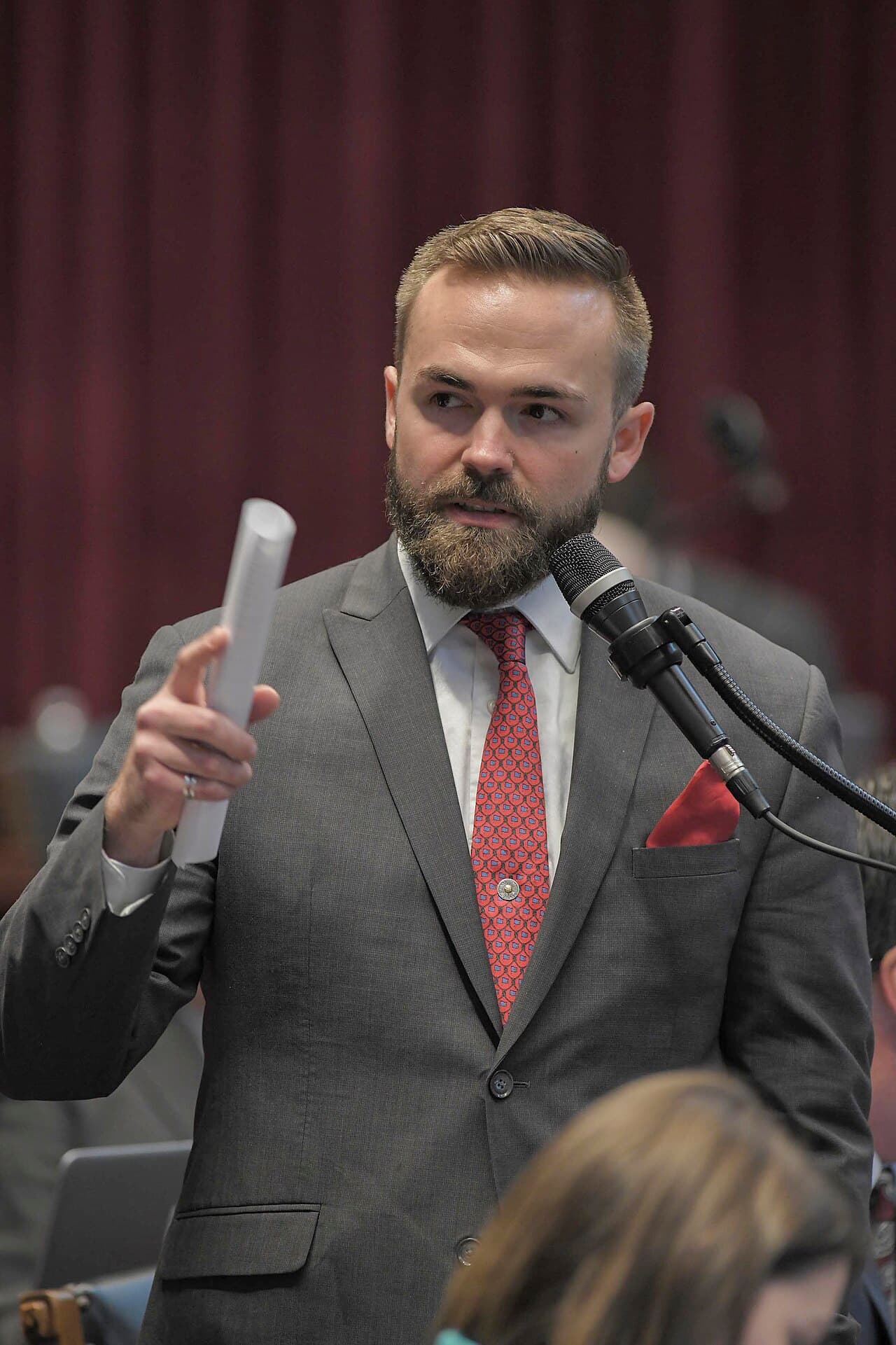
JEFFERSON CITY, MISSOURI — Missouri lawmakers debated legislation Thursday that would prevent state courts from enforcing foreign and religious laws that conflict with federal or state law, as the House Government Efficiency Committee considered the measure.
The “No Foreign Laws Act” passed unanimously through the state Senate earlier this month and now awaits action in the House. The bill prohibits Missouri courts and administrative agencies from applying foreign and religious laws that contradict federal or state statutes or violate fundamental rights.
Bill Includes Corporate Exceptions
The legislation includes exceptions for corporations that voluntarily subject themselves to foreign law in specific business transactions. It also blocks international organizations including the World Health Organization, the United Nations, and the World Economic Forum from exercising authority within Missouri.
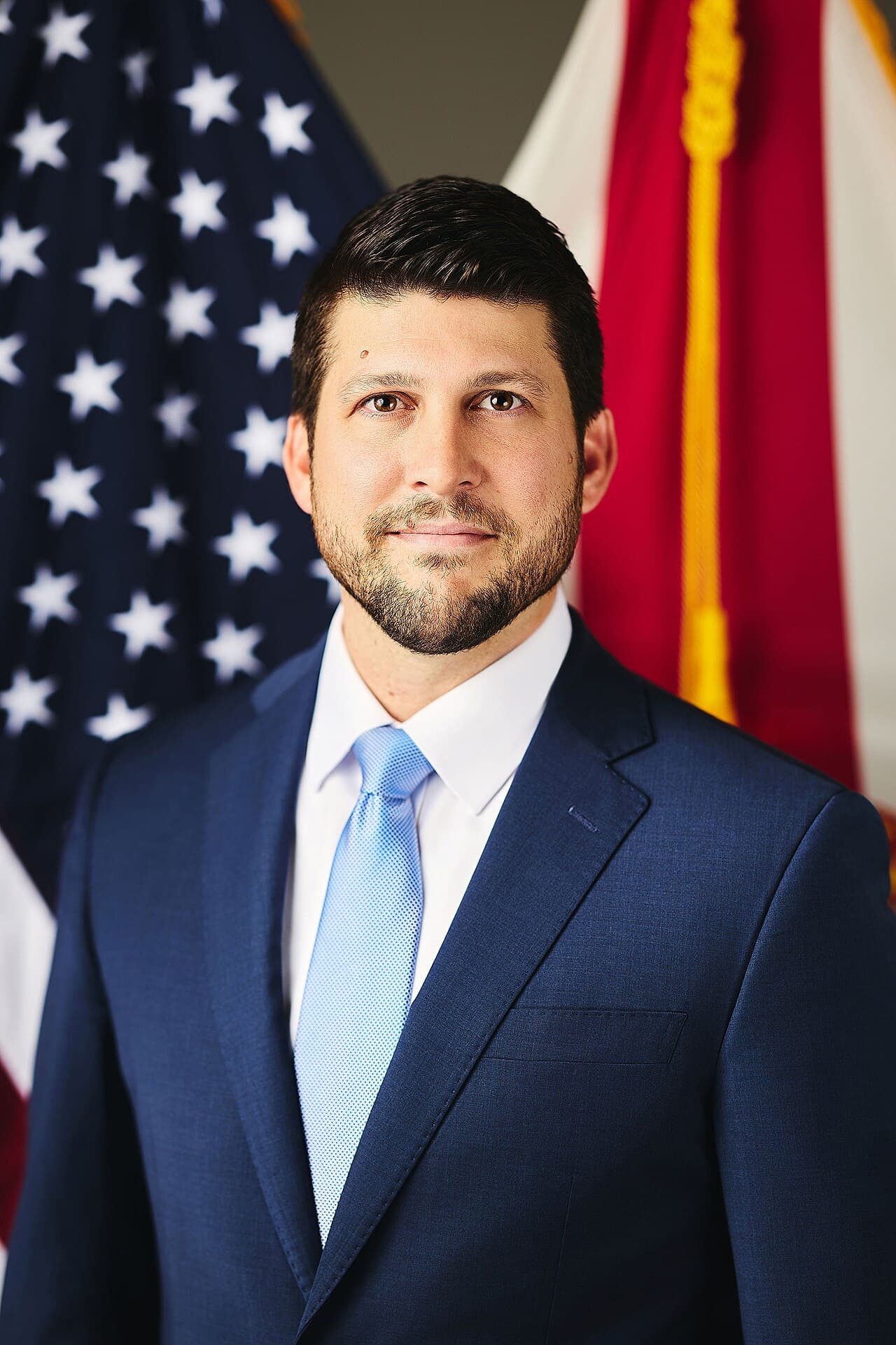
State Sen. Nick Schroer, a Republican from Defiance who sponsors the bill, defended the measure during committee testimony. “There is a legislative process for a reason. There are separation of powers for a reason. There is the Supremacy Clause out there for a reason,” Schroer said.
“But yet, we still have legislators at the state, federal and local levels that are acquiescing and bending a knee, whether it’s to a foreign entity or third parties altogether, rather than utilizing the powers as they’re set out by our founders,” he added.
COVID-19 Pandemic Cited as Example
Supporters pointed to the COVID-19 pandemic as an example of foreign influence in Missouri policy, specifically citing mask mandates and other health precautions recommended by the World Health Organization.
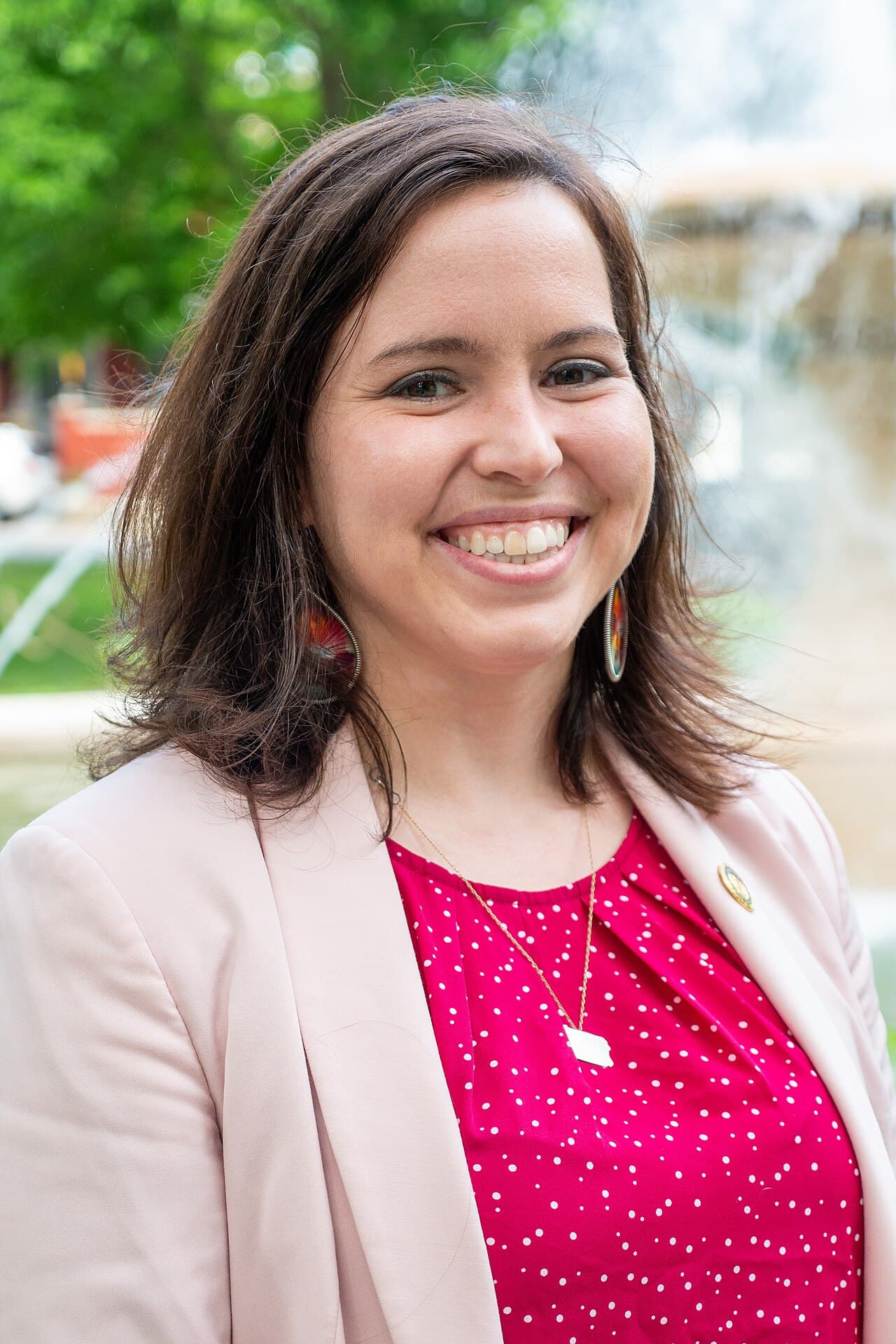
State Rep. Darin Chappell, a Republican from Rogersville, criticized how pandemic measures were implemented. “We saw during COVID-19 the way in which municipalities and counties across the state arbitrarily applied recommendations without utilizing the force of the legislative process within those bodies,” Chappell said. “It was oftentimes one individual declaring, ‘Thus it shall be.'”
The bill was originally introduced under the title “No Shari’a Act,” referring to Islamic religious law, before being renamed to its current broader language.
Democrats Raise Concerns About Private Rights
Opposition lawmakers expressed concerns that the legislation could interfere with citizens’ ability to enter private contracts and agreements of their choosing.
State Rep. Mark Boyko, a Democrat from Kirkwood, worried about the bill’s potential impact on private dispute resolution. “I’m concerned that we’re taking away people’s rights to actually decide for themselves how their own disputes among each other, in a private arbitration sense, would be settled,” Boyko said.
Critics argued the legislation is unnecessary given existing constitutional protections and could create unintended consequences for business agreements and personal contracts.
Similar measures have been proposed in other states across the country at both state and federal levels. Florida Gov. Ron DeSantis signed his state’s version of such legislation into law earlier this month, according to the Missouri Independent.
The House Government Efficiency Committee has not yet scheduled a vote on the Missouri bill, which would need to pass the full House before reaching Gov. Mike Parson’s desk.