Michigan Senate Passes $88.1 Billion Budget, Setting Stage for Negotiations
The Michigan Senate approved an $88.12 billion budget along party lines, setting up negotiations with the House and governor after a smoother process than last year’s troubled talks.

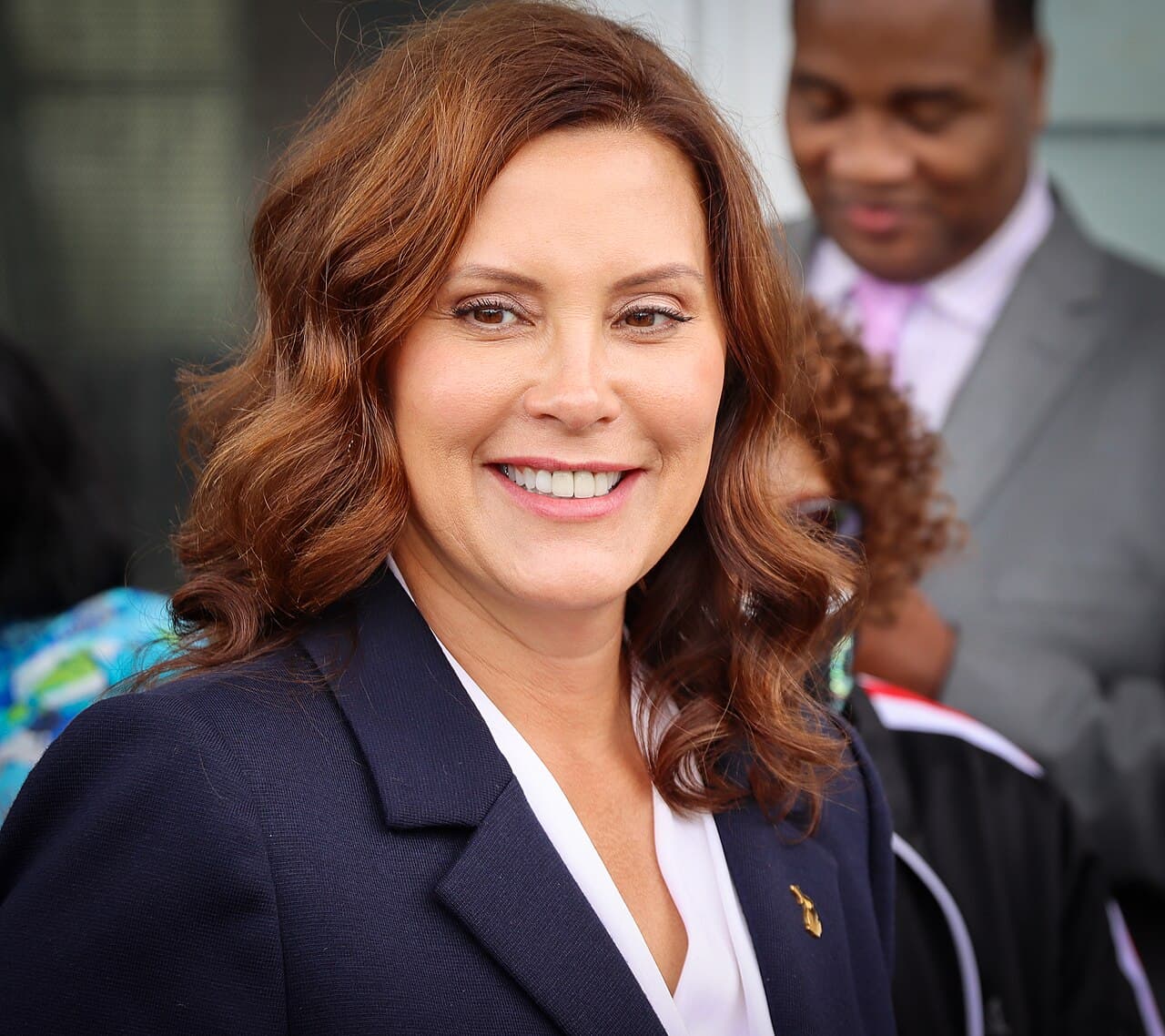
LANSING, MICHIGAN — The Michigan Senate approved an $88.12 billion budget for fiscal year 2026-27 on Wednesday afternoon, paving the way for negotiations with Governor Gretchen Whitmer and House leaders after both chambers completed their respective spending plans.
Senate Bill 878 passed along strict party lines with a 19-18 vote, marking a smoother process than last year’s troubled budget negotiations. The House had already passed its version of the budget last week.
The Democratic-led Senate’s proposal allocates $14.15 billion from the state general fund, with the remainder coming from federal funds and other revenue sources.
Education Funding Takes Priority
Education spending represents a significant portion of the Senate budget, with $25.1 billion designated for K-12 schools, community colleges and universities. Of that amount, $1.46 billion would come from the state general fund.
Other government operations would receive $63 billion in funding, with $12.68 billion drawn from the general fund to support various state departments and programs.
Focus on Family Cost Relief
State Sen. Sarah Anthony (D-Lansing), the chamber’s Appropriations chair, told reporters after the vote that the Senate’s budget emphasizes reducing costs for Michigan families while protecting residents from potential federal budget cuts.
“That’s really important,” Anthony said, highlighting funding allocated to the Michigan Department of Health and Human Services for healthcare, food assistance and housing programs. “Those are the things I think people really rely on.”
The budget also includes provisions for free breakfast and lunch programs in schools, infrastructure repairs, and assistance for communities recovering from recent natural disasters, according to Anthony.
Smooth Process Contrasts With Previous Year
The successful passage of budgets in both chambers represents a marked improvement over the 2025-26 budget process, which sources described as a “fiasco.” State Sen. Jeremy Moss (D-Bloomfield) presided over Wednesday’s Senate session as president pro tem during the budget vote.
With both the House and Senate having approved their respective budget proposals, attention now turns to conference committee negotiations between the chambers and discussions with Governor Whitmer’s administration to reconcile differences and finalize the state’s spending plan for the upcoming fiscal year.
The completed budget must be signed into law before the new fiscal year begins to avoid a government shutdown and ensure continued funding for state operations and services.