Memphis Data Misuse Hampers Public Safety Discussion, Experts Warn
Crime data in Memphis is being presented without crucial context, undermining public safety discussions and potentially leading to misguided policy decisions.

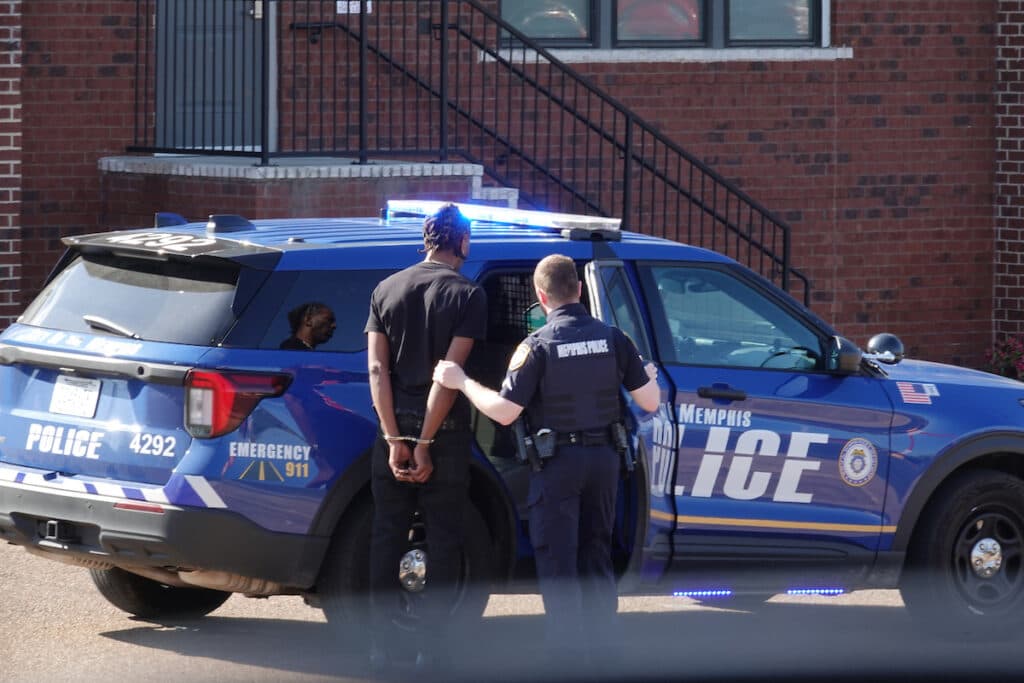
MEMPHIS, TENNESSEE — The presentation of crime statistics without proper context is affecting informed public discourse about safety initiatives in Memphis, according to a new analysis of how data is being used in local policy discussions.
The concern centers on how numbers are being used to support predetermined narratives rather than allowing facts to guide conclusions, particularly regarding crime trends and policing interventions like the Memphis Safe Task Force.
A recent FOX13 Memphis report highlighted that crime in parts of downtown Memphis has increased slightly month over month this year. While the numbers were accurate, critics argue the presentation lacked essential context needed to interpret the data responsibly.
Context Missing from Crime Reports
“Numbers are being presented without context. Data is being used without discipline,” according to the analysis. “And narratives are being constructed in ways that make the numbers serve the story rather than the story submitting to the numbers.”
The problem extends beyond simple reporting errors to what observers describe as a misuse of statistical information. Without proper context, crime statistics can be manipulated to reinforce existing beliefs about policing effectiveness rather than providing objective assessment of public safety trends.
“Numbers, without context, are pliable,” the analysis noted. “They can be arranged to suggest progress without proving causation. They can highlight fluctuations without explaining trends.”
Broader Pattern of Data Manipulation
The issue affects multiple areas of public policy beyond crime reporting, including education and economic development discussions. In each case, the concern is that data is being selected and presented to support specific outcomes rather than inform genuine policy debate.
Recent records show that just 2 percent of immigration arrests by the Memphis Safe Task Force were for violent crime, illustrating how specific data points can paint different pictures depending on how they are framed and contextualized.
The misuse of statistics is described as not merely intellectually dishonest but potentially dangerous when it comes to matters of public safety and resource allocation. When numbers are presented without adequate context, they can lead to policy decisions based on incomplete or misleading information.
Need for Critical Analysis
Experts emphasize that Memphis is not suffering from a lack of available data, but rather from insufficient critical thinking about how that information is presented and interpreted. The abundance of statistics makes it easier to cherry-pick figures that support particular viewpoints while ignoring contradictory evidence.
The challenge facing Memphis mirrors broader national concerns about how statistical information is used in public discourse, particularly around sensitive topics like crime and immigration enforcement.
Local officials and media outlets are being urged to provide more comprehensive context when presenting crime statistics, including historical trends, seasonal variations, and comparative data from other similar cities. With such context, residents and policymakers can make informed decisions about public safety priorities and resource allocation.