Georgia Protesters Face Harsher Penalties Under Bill Awaiting Kemp’s Signature
Peaceful protesters could face the same penalties as sexual battery offenders under Georgia legislation awaiting the governor’s signature.

ATLANTA, GEORGIA — Peaceful protesters who march on Georgia roadways could face the same severe criminal penalties as those convicted of sexual battery or aggravated stalking under legislation currently awaiting Governor Brian Kemp’s signature.
Senate Bill 443 would elevate roadway obstruction during protests from a standard misdemeanor to a “high and aggravated” misdemeanor, significantly increasing potential punishments for demonstrators. The legislation also opens protesters to additional civil liability, allowing them to be sued for damages caused by any obstruction.
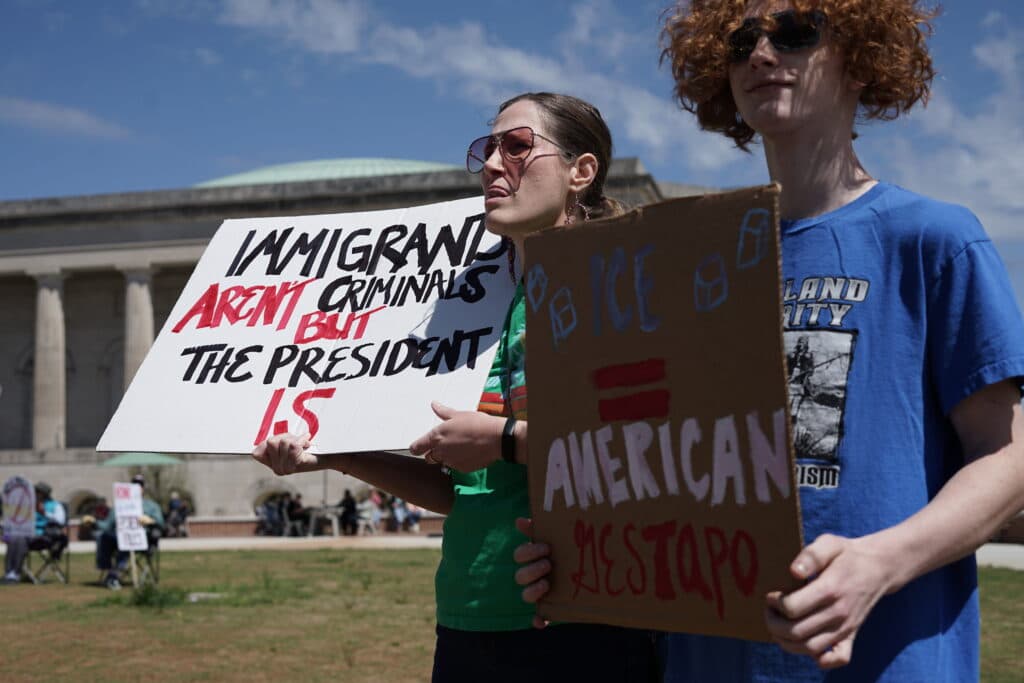
The timing of the proposed law has drawn scrutiny following the March 28 “No Kings” demonstrations, when thousands of Georgians participated in peaceful protests across the state. Demonstrators marched on public sidewalks and streets during the statewide action, using spaces that have traditionally served as public forums for free speech.
Existing Laws Already Address Road Obstructions
Current Georgia law already criminalizes obstructing streets or roadways as a misdemeanor offense, giving law enforcement authority to intervene and make arrests when people dangerously block traffic. Critics argue this makes SB 443 unnecessary and excessive.
The proposed legislation would place peaceful protesters in the same criminal category as individuals convicted of solicitation of prostitution or aggravated stalking. Legal observers note this represents a significant escalation in how the state treats civil disobedience.
Civil Liberties Concerns
Civil rights advocates view the enhanced penalties as an attempt to discourage public demonstrations at a time when Georgians are increasingly willing to gather in public spaces to voice concerns about government policies. The legislation’s supporters argue it will protect citizens from dangers and inconveniences caused by road blockages.
The bill awaits action from Governor Kemp, who has not indicated when he plans to make a decision on the legislation. If signed into law, Georgia would join other states that have strengthened penalties for protest-related activities in recent years.
The March 28 protests that preceded the bill’s passage demonstrated significant public engagement, with participants like Kim Martin and her stepson Landen Martin from Macon joining demonstrations across multiple Georgia cities.