Gas prices hit $4 per gallon as Hegseth considers Iran ground war option
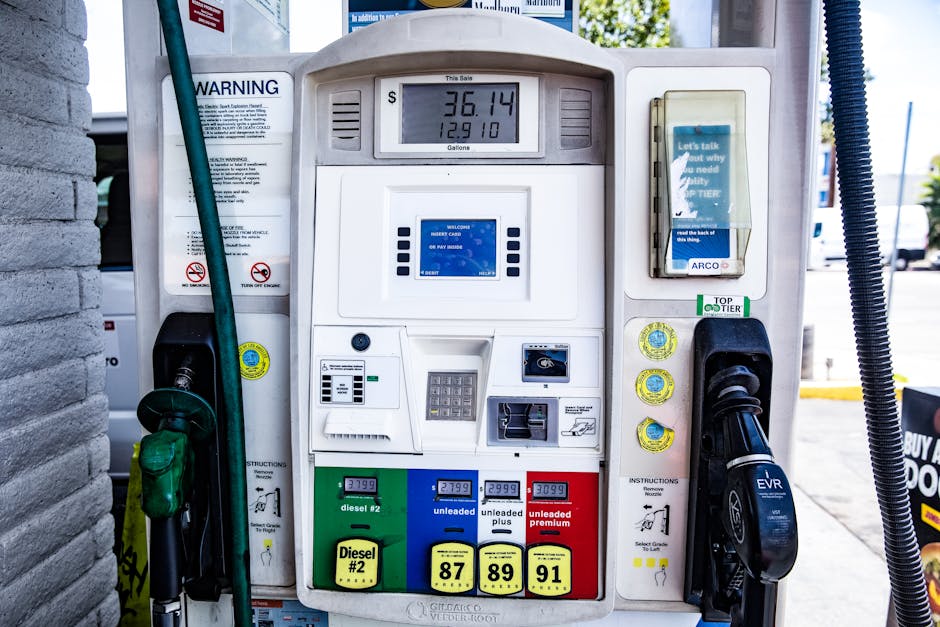
ATLANTA — Gas prices across Georgia have surged to an average of $4 per gallon as Defense Secretary Pete Hegseth told lawmakers that a ground war with Iran remains a military option for the United States.
The price spike, which has affected drivers throughout the Southeast, comes amid escalating tensions in the Middle East that have disrupted global oil markets. Georgia motorists are paying nearly 30% more at the pump compared to six months ago, according to industry analysts.
During testimony before the Senate Armed Services Committee, Hegseth said the Pentagon has not ruled out any military responses to Iranian aggression, including potential ground operations. The defense secretary’s comments came in response to questions about U.S. military preparedness in the region.
Rising Energy Costs Impact Georgia Families
The fuel price increase has created financial strain for Georgia households already dealing with elevated costs for groceries and housing. Many Atlanta-area commuters are reconsidering their travel plans and seeking alternative transportation options.
“We’re seeing people change their driving habits, consolidate trips, and look for ways to reduce fuel consumption,” said Maria Rodriguez, a spokesperson for AAA Georgia. The organization reported that demand for public transportation has increased 15% in metro Atlanta over the past month.
Small business owners across the state are also feeling the impact. Delivery companies and transportation services are passing increased fuel costs onto consumers through surcharges and higher service fees.
Military Tensions Drive Market Volatility
Energy market experts attributed the price surge to concerns about potential military action in the Persian Gulf region, which handles roughly 20% of the world’s oil shipments. Hegseth’s testimony has added to investor uncertainty about supply chain stability.
The defense secretary emphasized that diplomatic solutions remain the preferred approach but acknowledged that military planners must prepare for various scenarios. His remarks followed recent incidents involving Iranian proxy forces and U.S. military assets in the region.
Oil futures have climbed 25% over the past two weeks as traders factor in potential supply disruptions. Industry analysts expect prices to remain volatile as long as military tensions persist in key oil-producing regions.
Economic Implications for Southeast
The price increases are expected to have broader economic effects across Georgia and neighboring states. Transportation costs for goods and services typically rise alongside fuel prices, potentially contributing to inflationary pressures.
State transportation officials are monitoring the situation closely, as higher fuel costs could affect highway maintenance budgets and public transit operations. The Georgia Department of Transportation has not announced any immediate service changes but continues to assess the financial impact.
Economic forecasters warn that sustained high energy prices could slow consumer spending in other sectors as households allocate more of their budgets to transportation costs. Retail and hospitality businesses are already reporting decreased foot traffic in some areas.
The situation remains fluid as policymakers balance national security concerns with domestic economic pressures. Both Georgia’s congressional delegation and state officials are closely watching developments that could affect constituents’ daily expenses.
Sources: Georgia Recorder, NC Newsline, Ohio Capital Journal